
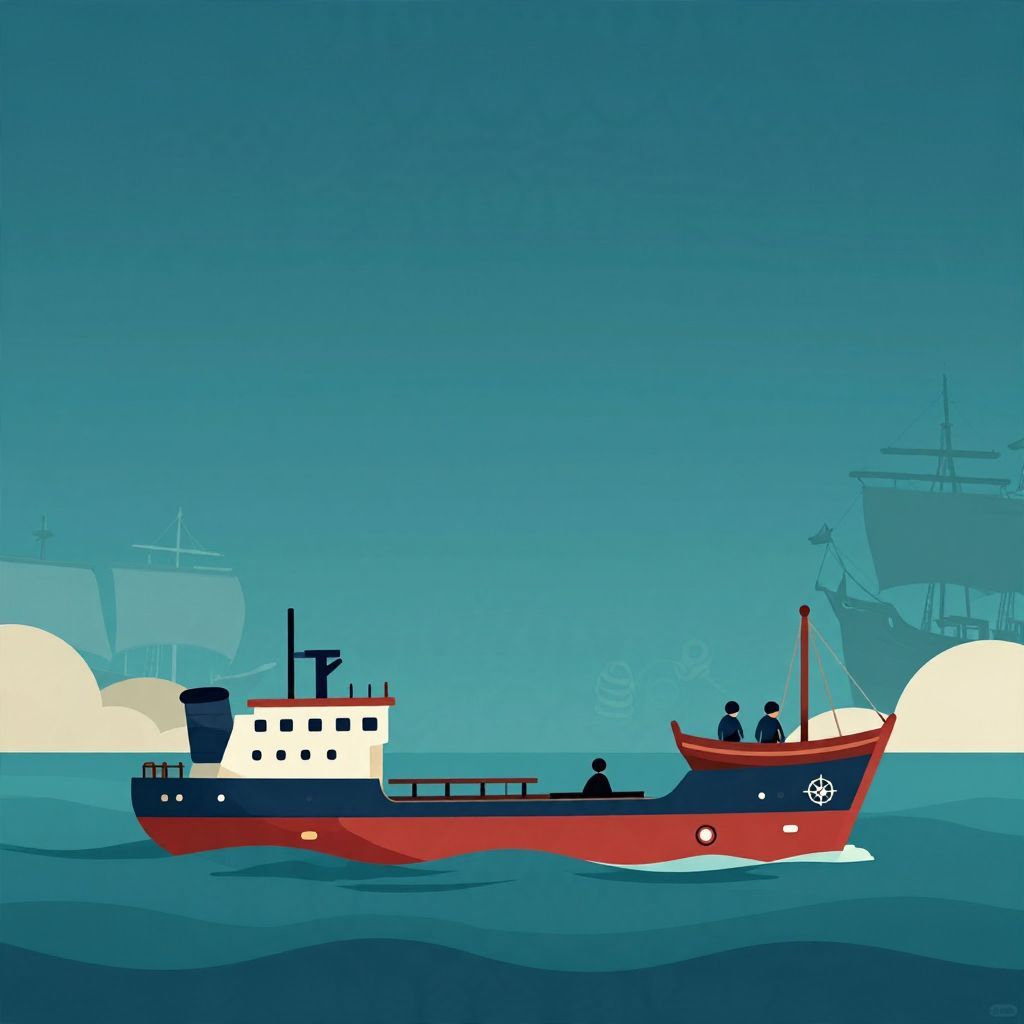
Do pirates still exist? Yes—but not in the romantic, swashbuckling form of novels and films. Modern piracy is real, and it usually involves armed robbery or hijacking at sea, often carried out by organized criminal groups rather than lone adventurers.
Historically, piracy has changed shape with trade routes, naval power, and international law. Today it survives where valuable shipping lanes, weak coastal security, and political instability make ships vulnerable.
Do Pirates Still Exist?
Yes. Pirates still exist in the modern world, but they are usually criminals who attack ships for money, cargo, fuel, ransom, or theft rather than the treasure-hunting figures of popular culture. Modern piracy is most often defined as illegal violence or detention at sea for private gain, especially in busy shipping regions.
What Modern Piracy Looks Like
Today’s pirates are usually small groups using speedboats, firearms, ladders, and satellite phones. They may board anchored vessels, seize crew members, steal cargo, siphon fuel, or kidnap sailors for ransom. In some cases, attacks happen close to shore; in others, pirates operate farther out at sea, depending on local security and the type of target.
Common modern tactics
- Hijacking a vessel and forcing it to change course
- Kidnapping for ransom, especially in areas with weak law enforcement
- Cargo theft, such as fuel, electronics, or other valuable goods
- Boarding anchored ships in ports or shipping lanes
- Armed robbery at sea, often against smaller commercial vessels
Unlike the pirate ships of the early modern Atlantic, modern pirates rarely seek to keep a captured vessel permanently. Their goal is usually quick profit and escape. That difference matters: piracy today is tied less to conquest and more to organized crime and insecurity.
Where Piracy Exists Today
Modern piracy is not evenly spread across the globe. It tends to appear in places where major shipping routes pass near unstable coasts, where navies cannot patrol effectively, or where local conflicts create opportunities for armed groups. The exact hotspots change over time as governments improve security or criminal networks shift tactics.
Areas historically associated with modern piracy
- The Gulf of Aden and off Somalia, especially during the late 2000s and early 2010s
- The Gulf of Guinea off West Africa, known for kidnapping and armed robbery at sea
- Southeast Asia, including busy straits and archipelagic waters with heavy commercial traffic
- Parts of the Caribbean and Latin America, where maritime crime can overlap with smuggling and trafficking
Somali piracy became globally famous because it threatened one of the world’s most important shipping corridors. In response, international naval patrols, private security measures, route changes, and better ship defenses reduced attacks dramatically. That decline shows an important historical pattern: piracy often rises where states are weak and falls when maritime security improves.
How Modern Piracy Differs from “Golden Age” Pirates
The classic image of piracy comes mostly from the 17th and early 18th centuries, when European empires, privateering, and Atlantic trade created conditions for famous pirates such as Blackbeard. But modern piracy is not the same phenomenon, even if the basic idea—violent theft at sea—remains similar.
Key differences
- Targets: modern pirates usually attack commercial ships, tankers, fishing vessels, or yachts, not treasure galleons.
- Technology: speedboats, GPS, radios, and firearms have replaced tall ships and cutlasses.
- Organization: many attacks are linked to criminal networks, smuggling routes, or local militias.
- Motivation: ransom, fuel, cargo, and extortion matter more than adventure or flags of convenience.
- Legal context: modern piracy is addressed through international maritime law and coordinated naval enforcement.
There is also a legal distinction between piracy on the high seas and armed robbery at sea in territorial waters. That distinction matters because different laws and jurisdictions apply. In practice, many attacks that people casually call piracy are prosecuted under national criminal law rather than the older international piracy framework.
Why Piracy Still Happens
Piracy persists because sea trade remains essential to the global economy. Huge volumes of oil, food, machinery, and consumer goods move by ship every day. Where maritime routes are crowded and coastal states are fragile, pirates can exploit gaps in enforcement and the difficulty of policing open water.
Main historical causes of modern piracy
- Economic hardship and lack of lawful employment in coastal communities
- Political instability, civil war, or weak central government
- Profitable shipping lanes close to insecure coastlines
- Limited naval patrols and weak port security
- Criminal networks that connect sea attacks to smuggling and money laundering
In some regions, piracy has also been linked to broader maritime crime. Fishermen may turn to piracy after losing access to resources, or armed groups may use sea robbery to finance other activities. That does not make piracy inevitable, but it helps explain why it appears repeatedly in certain places and periods.
Is Piracy Illegal Everywhere?
Yes. Piracy is widely condemned under international law, and nearly all states treat it as a serious crime. The modern legal definition comes from long-standing maritime conventions and the principle that attacks on ships outside any single nation’s territorial waters threaten the common safety of all seaborne trade.
How governments respond
- Naval patrols and multinational task forces
- Armed security teams on some commercial vessels
- Convoy systems or route adjustments in high-risk waters
- Improved ship design, such as barriers, alarms, and safe rooms
- Arrest and prosecution of captured suspects where evidence and jurisdiction allow
These responses have reduced piracy in some regions, but they do not eliminate it. When patrols increase in one area, pirates may shift elsewhere. That adaptability is one reason piracy remains a recurring historical problem rather than a vanished relic.
Popular Myths About Pirates
Because fiction has shaped public imagination so strongly, it is easy to confuse the historical record with legend. Real pirates were often less theatrical and more desperate, violent, and opportunistic than stories suggest.
Common misconceptions
- Myth: Pirates are only from the past.
Fact: piracy continues in modern forms. - Myth: Pirates always bury treasure.
Fact: most sought fast, spendable gains. - Myth: Pirates were all rebels with a code.
Fact: many were criminals, though some operated in gray areas of empire and war. - Myth: Pirate attacks are always dramatic ship battles.
Fact: many modern incidents are quick raids or kidnappings.
It is also important not to romanticize modern piracy. For crews, piracy can mean injury, trauma, ransom, theft, or death. For coastal communities, it can deepen insecurity and damage trade, fishing, and tourism. Historically, piracy has always had victims, even when it was celebrated in legend.
A Brief Historical Perspective on Piracy
Piracy is ancient. It appears in the histories of the Mediterranean, the Indian Ocean, and East Asia long before the age of European empires. Whenever commerce moved by sea and states struggled to control coastlines, piracy could emerge. The “golden age” of piracy in the Atlantic from roughly the late 1600s to the early 1700s was only one chapter in a much longer history.
Over time, stronger navies, improved legal systems, and the decline of some imperial rivalries reduced classic piracy in many regions. But it never disappeared completely. Instead, it adapted to new trade patterns, new weapons, and new political conditions. That is why the answer to “Do pirates still exist?” is historically clear: yes, but they are products of the modern world as much as the old one.
Conclusion
Pirates still exist, but they are best understood as modern maritime criminals rather than the colorful figures of storybooks. Their persistence shows how closely piracy follows trade, conflict, and state power. If you want to explore related maritime history, you may also enjoy articles on the history of maritime trade and the Golden Age of Piracy.