
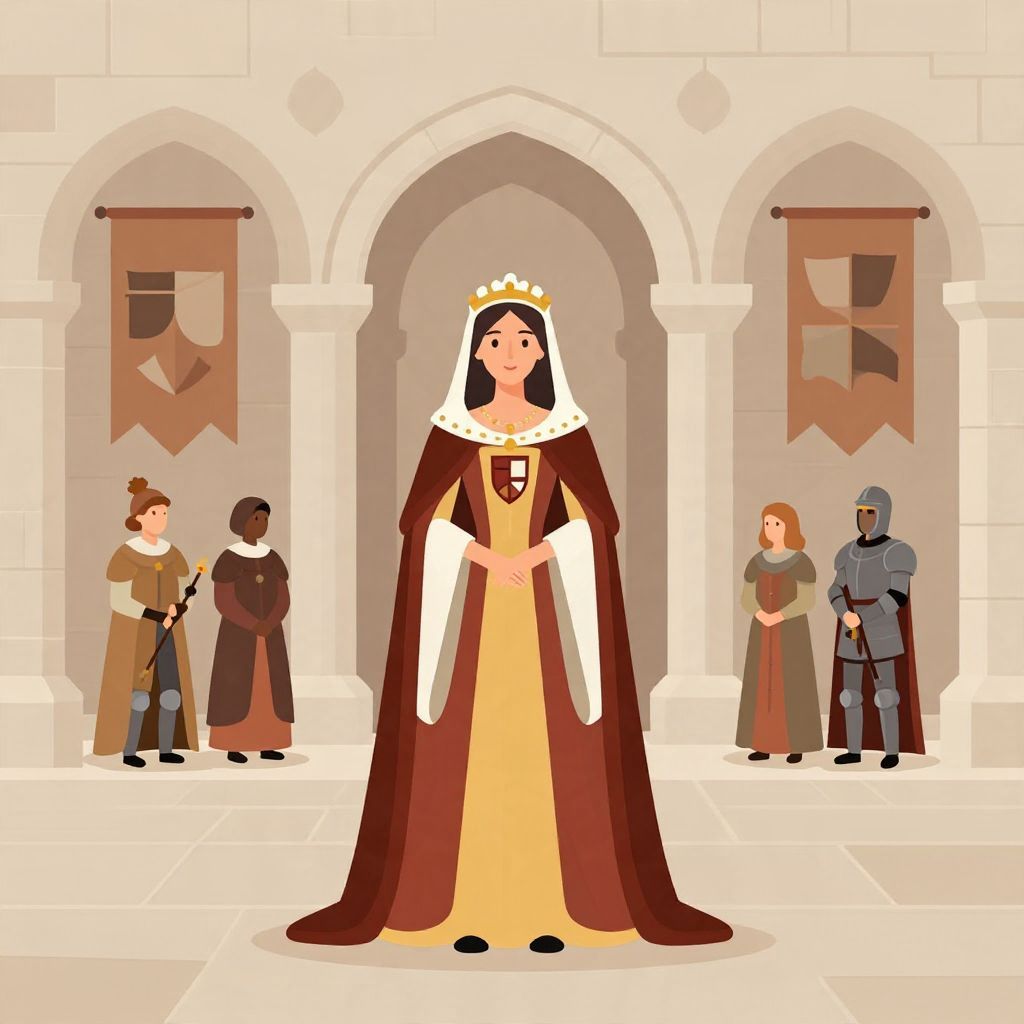
What is a duchess? In historical terms, a duchess is a woman who holds the rank of duke’s wife, or in some cases a woman who holds the title in her own right. The word belongs to the world of European nobility, where titles marked status, landholding, inheritance, and political power. Its meaning changed over time as monarchies, aristocracies, and legal systems evolved.
Understanding the title of duchess helps explain how medieval and early modern societies organized authority, family lineage, and elite privilege. It also shows why noble titles could be both ceremonial and deeply political, especially in kingdoms where dynastic marriage shaped the fate of states.
What Is a Duchess?
A duchess is a female holder of the title of duke. Most often, the term refers to the wife of a duke, but it can also mean a woman who inherits or is granted the title in her own right. Historically, a duchess ranked among the highest levels of European nobility, just below queens and princesses in many courtly systems.
Wife of a duke or ruler in her own right
There are two main kinds of duchess. A duchess by marriage is the spouse of a duke. A duchess suo jure—Latin for “in her own right”—holds the title independently, usually through inheritance or a sovereign grant. This distinction matters because it separates social courtesy from legal authority.
Not the same everywhere
The title did not mean exactly the same thing in every country. In some places it signaled near-sovereign power over a duchy; in others it was mainly an aristocratic rank within a royal court. The title’s meaning depended on local law, dynastic custom, and whether the duchy was an independent territory or part of a larger kingdom.
Where Did the Title Duchess Come From?
The title comes from the Latin dux, meaning “leader” or “commander.” In late Roman and early medieval Europe, this word developed into titles for military and territorial rulers. The feminine form emerged later as noble titles became hereditary and courtly families adopted more formal ranks.
From military command to hereditary nobility
In the Roman world, a dux was not originally a hereditary noble title. It described a military leader. During the early Middle Ages, however, rulers in post-Roman Europe increasingly used related titles for regional governors and powerful nobles. Over time, the masculine title duke became established, and duchess followed as its feminine counterpart.
The rise of duchies in medieval Europe
By the High Middle Ages, duchies were important territorial units in places such as France, the Holy Roman Empire, and later England and Scotland. Some duchies were large and politically significant, such as Normandy or Burgundy. A duchess in these settings could be a major dynastic figure, especially when marriage linked noble houses or helped pass claims to land.
What Did a Duchess Do Historically?
A duchess’s role varied widely. Some duchesses were primarily ceremonial figures at court, while others exercised real influence through estates, patronage, regency, diplomacy, or inheritance. Their power depended less on the title alone than on family connections, local custom, and whether they controlled property or acted for underage heirs.
Marriage, inheritance, and dynastic politics
Marriage was one of the most important political tools in aristocratic Europe. A duchess could help unite noble families, secure alliances, and produce heirs who inherited titles and lands. In dynastic politics, a marriage could strengthen a claim to a duchy or even to a throne. Women who married into ducal families often became central to succession strategies.
Patronage and court influence
Many duchesses were patrons of religious houses, artists, writers, and charitable causes. In elite society, patronage was a form of power. It could shape reputations, influence appointments, and display wealth and legitimacy. At court, a duchess might also serve as a prominent hostess and political intermediary, especially in monarchies where access to the ruler mattered greatly.
Regency and governance
Some duchesses served as regents when a husband, son, or other relative was absent, underage, or unable to rule. In such cases, the duchess could exercise substantial authority. This was not automatic, and it depended on legal recognition and political support. But history offers many examples of noblewomen acting as administrators, negotiators, and guardians of dynastic continuity.
How Was a Duchess Different from a Queen, Princess, or Countess?
A duchess was usually below a queen in rank, because a queen was tied to sovereignty. A princess belonged to a royal house, while a countess ranked below a duchess in the noble hierarchy. However, exact precedence differed by country and court tradition, and titles could be confusing when women held them by marriage, birth, or inheritance.
Hierarchy of titles
- Queen: typically the wife of a king or a reigning female monarch.
- Princess: usually a daughter of a monarch or a woman of royal blood.
- Duchess: wife of a duke or female holder of a ducal title.
- Countess: wife of a count or earl, or female holder of that title.
Courtesy versus legal rank
In modern Britain, for example, the wife of a duke is styled duchess even if she does not personally govern a duchy. That is a courtesy and social rank. In earlier centuries, though, some duchesses possessed lands, revenues, and legal rights connected to the title. The same word could therefore describe very different realities across time.
Historical Examples of Duchesses
Duchesses appear throughout European history, especially in the medieval and early modern periods. Some became famous because they were politically powerful, unusually wealthy, or connected to major events. Their stories show that noble women were not always passive figures; many played active roles in politics and culture.
Medieval and early modern power
Women such as Anne of Brittany, who became duchess of Brittany in her own right in the late 15th century, demonstrate how a duchess could be a sovereign political actor. Brittany’s status was contested between French kings and local rulers, and Anne’s marriages became part of a larger struggle over the duchy’s future. Her life shows the intersection of inheritance, diplomacy, and state formation.
Patronage and cultural influence
Other duchesses became known for supporting literature, architecture, and religious foundations. In Renaissance and Baroque Europe, noble women often used patronage to shape cultural life. Their households could become centers of fashion, education, and political networking. Even when they did not rule directly, they could influence the public image of their families and dynasties.
How Did the Meaning of Duchess Change Over Time?
The title shifted as Europe changed. In the Middle Ages, a duchess might be linked to a territorial lordship with real governing authority. By the early modern period, especially in centralized monarchies, duchess increasingly became a court title tied to aristocratic status rather than independent rule. In the modern era, it is often hereditary and ceremonial.
From territory to title
As kings strengthened their control over noble regions, many duchies lost much of their political independence. The title remained prestigious, but its practical power often declined. A duchess in the 18th or 19th century might belong to one of the highest social ranks in the realm while having little direct governing authority.
Modern ceremonial usage
Today, in monarchies that still use aristocratic titles, a duchess is usually a member of the peerage or royal family by marriage. The title may carry social prestige, public duties, and ceremonial responsibilities, but not the governing power it once implied. This modern usage reflects the survival of older noble traditions within constitutional states.
Why the Title Still Matters in History
The title duchess matters because it reveals how power worked in aristocratic societies. It shows the importance of marriage, inheritance, gender, and rank in political life. It also reminds us that noble women could exercise influence in ways that were formal, informal, or both. A duchess was not just a decorative title; she could be a key actor in dynastic history.
What historians look for
Historians study duchesses to understand succession disputes, household politics, patronage networks, and the role of women in elite governance. Because noble titles were embedded in law and custom, they help explain how medieval and early modern states functioned. The title also highlights the difference between symbolic prestige and actual authority.
So, What Is a Duchess?
Historically, a duchess is a woman of ducal rank: usually the wife of a duke, but sometimes a woman who holds the title herself. The title arose from medieval European noble and military traditions and later became part of hereditary aristocratic systems. Its meaning changed over time, but it consistently signaled high status, family power, and close ties to political authority.
In short, a duchess was never just a social label. She could be a dynastic partner, estate holder, patron, regent, or sovereign noblewoman, depending on the era and place. For related history topics, you may also want to explore the history of dukes and duchies and women in medieval nobility.