
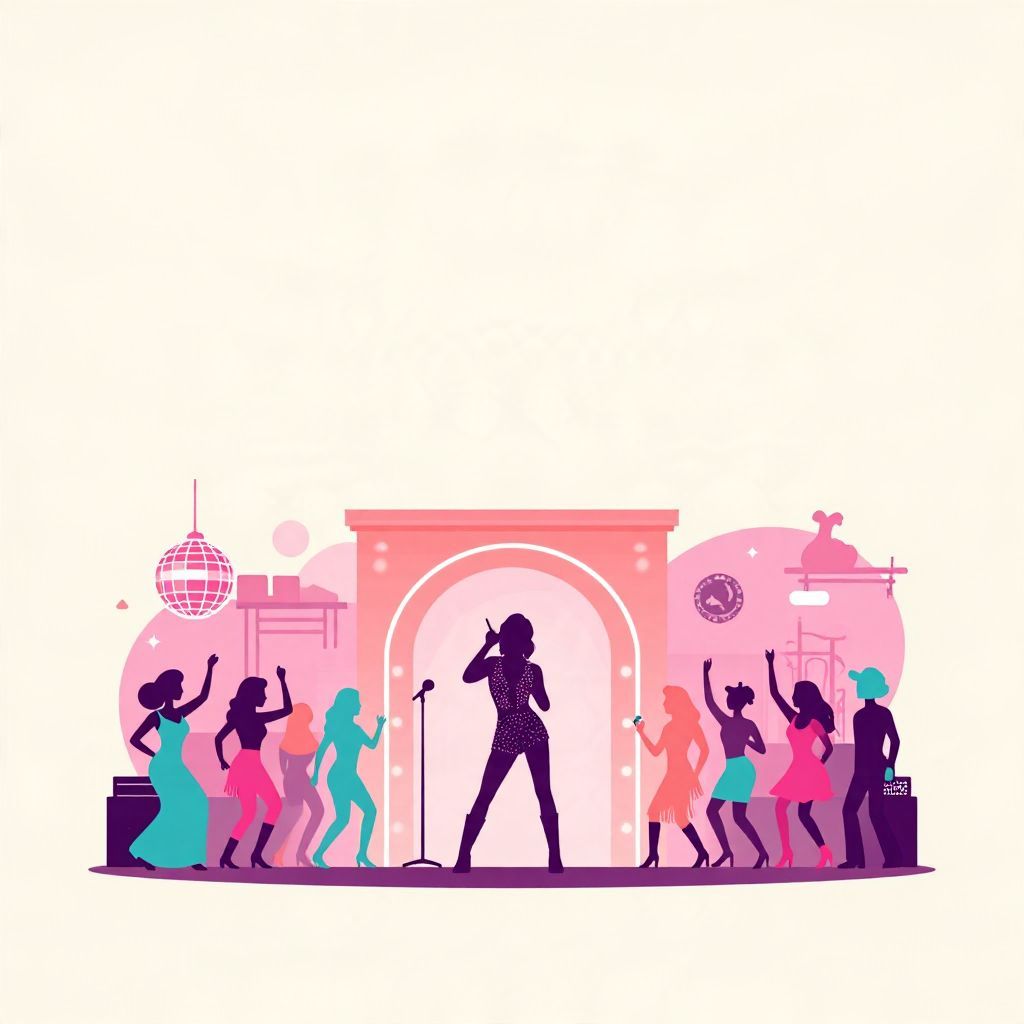
“What does Pink Pony Club mean?” is a modern cultural question, not an ancient one. The phrase is best understood through Chappell Roan’s song “Pink Pony Club,” released in 2020 and later widely embraced as an anthem of self-discovery, queer belonging, and leaving a restrictive hometown behind.
Its meaning comes from both the song’s lyrics and the cultural moment that made it resonate. “Pink Pony Club” is not a historical institution or real club with a long past; it is a symbolic place where a young person can reinvent themselves, perform freely, and find community.
What Does Pink Pony Club Mean?
Pink Pony Club refers to an imagined space of liberation, self-expression, and chosen family. In Chappell Roan’s song, it symbolizes a place where someone can leave behind social pressure, embrace identity, and live openly—especially within queer nightlife and performance culture.
Where did the phrase come from?
The phrase is associated with Chappell Roan, the American singer-songwriter whose single “Pink Pony Club” appeared in 2020. The song was written after a period of transition in her life, and it reflects the tension between small-town expectations and the freedom of a larger, more accepting world. The “club” is fictional, but its emotional meaning is rooted in real social experience.
A symbolic place, not a literal one
There is no historical evidence that “Pink Pony Club” began as a real venue, organization, or slang term with a long preexisting history. Instead, the phrase functions as an artistic image. The words “pink” and “pony” suggest glamour, playfulness, femininity, and performance, while “club” implies membership, nightlife, and community.
Why the imagery matters
In modern popular culture, such imagery often carries layered meaning. “Pink” can suggest softness or femininity, but also boldness and camp aesthetics. “Pony” may evoke performance, movement, or fantasy. Together, the phrase creates a vivid mental picture of a place where identity is not policed but celebrated.
The historical and cultural context behind the song
To understand what “Pink Pony Club” means, it helps to place it in the history of American pop music and queer culture. The song emerged in the early 2020s, when many younger listeners were drawn to music that openly addressed identity, belonging, and the search for freedom. Its popularity reflects a broader cultural shift toward greater visibility for LGBTQ+ themes in mainstream music.
Small-town pressure and migration to cities
The song’s emotional arc is familiar in modern history: a young person leaves a conservative or restrictive environment and seeks a more accepting city. This pattern has deep roots in 20th- and 21st-century social history, especially for queer people, artists, and others who felt limited by local norms. The “club” becomes a metaphor for urban possibility.
Nightlife as a site of identity
Nightclubs, bars, and performance spaces have long been important in queer history. In many cities, they served not only as entertainment venues but also as places of safety, experimentation, and community formation. “Pink Pony Club” draws on that tradition, even though it is not a direct reference to one specific historical venue.
How the meaning developed over time
The meaning of “Pink Pony Club” did not remain fixed after the song’s release. Like many cultural phrases, it accumulated significance as listeners adopted it for their own experiences. What began as a lyric became, for many fans, a shorthand for transformation, self-acceptance, and the courage to live authentically.
2020: release and initial reception
When “Pink Pony Club” was released in 2020, it was part of Chappell Roan’s early rise as a pop artist. At first, the song was one track among many, but its emotional clarity made it memorable. Listeners responded to its story of departure, reinvention, and longing for a place where the narrator could belong.
2023–2024: wider recognition
The song gained much broader attention as Chappell Roan’s audience expanded. By then, “Pink Pony Club” had become more than a song title. It was being quoted, shared, and interpreted as a cultural symbol of queer joy and personal freedom. This is a common pattern in modern music history: a work may be released years before it becomes widely recognized.
From lyric to cultural shorthand
Once a phrase enters fan culture, it can take on a life of its own. “Pink Pony Club” came to stand for a whole emotional world: glitter, performance, chosen family, and the right to leave behind a life that does not fit. In that sense, its meaning expanded beyond the song itself.
What does Pink Pony Club mean in the song?
Within the song, “Pink Pony Club” represents a dream of escape and self-definition. The narrator imagines a place where she can dance, perform, and be seen for who she really is. The phrase captures both the excitement of freedom and the pain of distance from home.
Freedom and reinvention
The song’s central idea is that identity can be chosen and performed, not merely inherited. The “club” suggests a space where someone can step into a new version of themselves. That theme connects with a long history of performance culture, from cabaret to drag to contemporary pop stages.
Belonging and chosen family
Another key meaning is community. For many listeners, “Pink Pony Club” evokes the idea of finding people who understand and accept you. Historically, queer communities have often formed around such spaces when traditional family, church, or hometown networks were unwelcoming.
Loss and distance
The song is not only celebratory. It also acknowledges the emotional cost of leaving home. That tension—between freedom and belonging, independence and grief—is part of why the phrase feels so powerful. It is not just about escape; it is about what must be left behind to become oneself.
Why has Pink Pony Club become historically significant?
Although it is a recent cultural term, “Pink Pony Club” has historical significance because it reflects changing attitudes toward identity in the early 21st century. Its popularity shows how mainstream pop can carry themes once confined to subcultures, especially queer and camp aesthetics.
A sign of changing pop culture
In earlier decades, songs about queer longing or self-invention often had to speak indirectly. By contrast, “Pink Pony Club” belongs to a period when direct emotional expression, queer-coded imagery, and theatrical self-presentation could find a large audience. That shift is part of the broader history of representation in popular music.
Connection to older traditions
The song also fits into older artistic traditions. Its mix of glamour, irony, and emotional sincerity recalls cabaret, disco, and drag performance. Those traditions have long used style and spectacle to challenge social norms. “Pink Pony Club” updates that history for a contemporary audience.
Why fans identify with it
Many listeners see the phrase as a metaphor for the life they wish they had: freer, brighter, and more accepting. That emotional identification helps explain why the song became so influential. In cultural history, meanings often grow strongest when audiences use a work to name their own experience.
Common misconceptions about Pink Pony Club
Because the phrase sounds vivid and place-like, people sometimes assume it refers to a real club, a secret movement, or an older slang term. In fact, its meaning is primarily artistic and symbolic. The historical record points to the song’s release and its later reception, not to a hidden prehistory.
- It is not a documented historical club. There is no reliable evidence of a long-running venue by that name behind the song.
- It is not a traditional phrase with one fixed meaning. Its significance comes from context, especially the song and its fan interpretation.
- It is not only about nightlife. The club imagery is important, but the larger theme is identity and liberation.
Timeline of Pink Pony Club’s rise
The phrase’s history is short but clear enough to trace. Its significance developed through a sequence of release, discovery, and wider cultural adoption.
- 2020: “Pink Pony Club” is released by Chappell Roan.
- 2021–2022: The song circulates among listeners and begins building a devoted audience.
- 2023–2024: Chappell Roan’s profile rises sharply, and the song becomes a widely recognized fan favorite.
- Present: The phrase functions as a symbol of queer joy, self-invention, and the search for belonging.
What does Pink Pony Club mean today?
Today, “Pink Pony Club” usually means more than a song title. It can describe a mindset: choosing authenticity over conformity, community over isolation, and self-expression over shame. In everyday use, it often signals support for queer identity, theatrical style, and emotional freedom.
In fan culture
Fans use the phrase to describe the feeling of being welcomed into a world that values individuality. It can also function as an inside reference, a kind of cultural badge that signals shared understanding of the song’s message.
In broader culture
Outside the fan base, the phrase has become a shorthand for a certain kind of modern femininity and queer-coded glamour. Its appeal lies in its openness: it is specific enough to feel meaningful, but broad enough to hold many personal interpretations.
Conclusion: the historical meaning of Pink Pony Club
So, what does Pink Pony Club mean? Historically, it is a recent pop-cultural symbol of liberation, identity, and belonging, created through Chappell Roan’s 2020 song and amplified by later fan culture. It is not a literal club with an old history, but an imagined space that reflects very real social changes in how people talk about selfhood and queer life. For related questions about meaning in modern culture, see what a teardrop tattoo means and what grand rising means.