
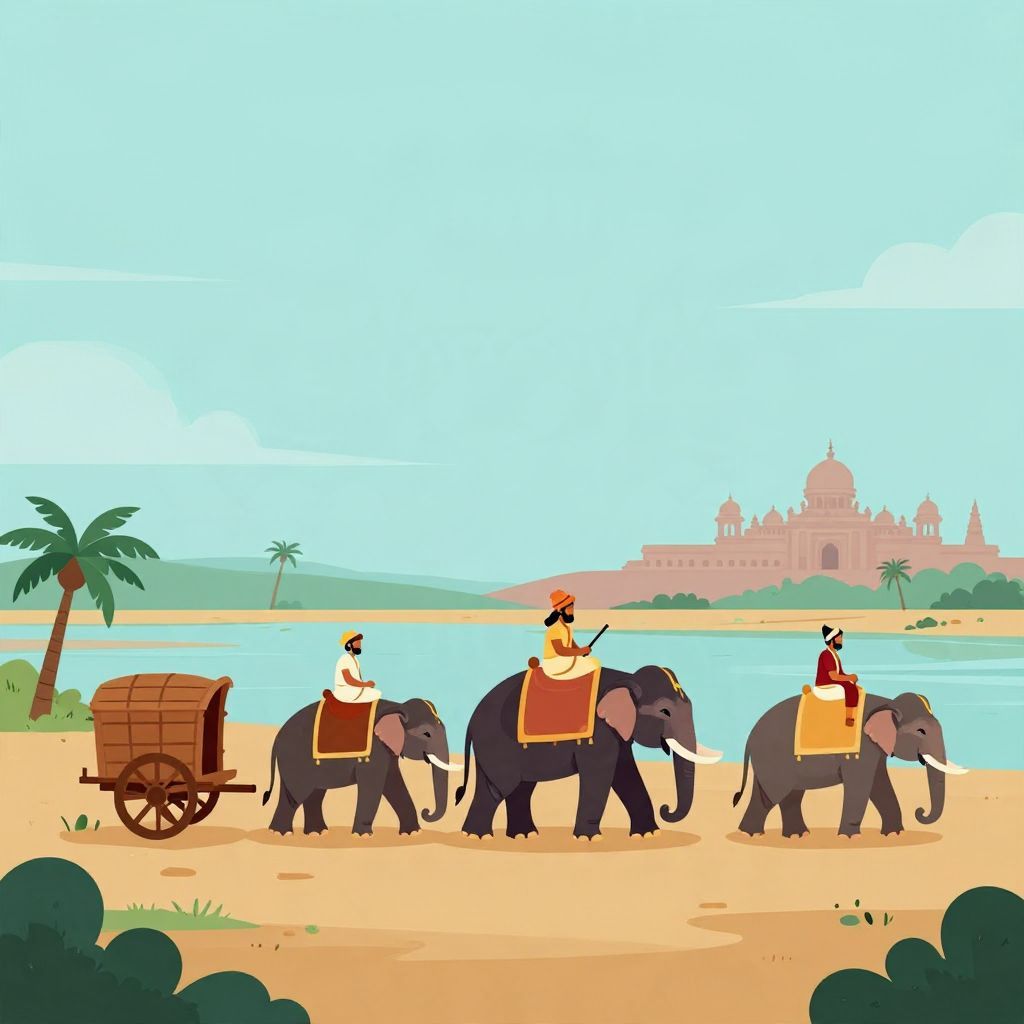
“What is the Elephant Walk?” can mean different things depending on context. In history and popular culture, the phrase most often refers to a slow, orderly procession associated with elephants in parades, ceremonies, or military and civic spectacles. It can also describe a distinctive line formation or a symbolic public display meant to impress onlookers.
The term is not tied to one single ancient event or one universally accepted origin. Its meaning developed over time through animal exhibitions, imperial pageantry, and later modern uses in entertainment, sports, and military slang.
What Is The Elephant Walk?
The Elephant Walk is a phrase used for a slow, deliberate procession or formation, usually evoking the heavy, rhythmic movement of elephants. Historically, it has been applied to ceremonial parades, public spectacles, and later to various modern routines or formations. Its exact origin is uncertain, but the image of elephants moving together has made the phrase memorable and adaptable.
The Historical Meaning of “Elephant Walk”
At its core, the expression draws on the elephant’s size, weight, and calm but powerful movement. In many cultures, elephants were associated with royalty, warfare, religion, and prestige. A “walk” involving elephants therefore suggested dignity, spectacle, and controlled force rather than speed.
Because the phrase is descriptive rather than technical, it has been used in several different ways. In some settings it referred literally to elephants being led in a line. In others it described people moving in a similar formation, often slowly and in coordination. Over time, the phrase entered modern slang and institutional language with meanings shaped by context.
Why elephants became symbolic
Elephants have long held special status in South Asia, Southeast Asia, and parts of Africa. They were used in royal processions, temple festivals, and warfare, especially in ancient and medieval India. Their presence communicated wealth, authority, and control over a powerful animal that was difficult to tame.
That symbolic weight helped make “elephant walk” a natural phrase for any procession that seemed grand, heavy, or ceremonial. The image is less about a single invention of the term and more about a long cultural association between elephants and public display.
Where Did the Phrase Come From?
The exact origin of the phrase is difficult to pin down. There is no single universally accepted first use. Instead, “elephant walk” appears to have emerged from common English descriptive language in the modern era, building on older traditions of elephant processions and exhibitions. The phrase likely became more visible as elephants were displayed in zoos, circuses, fairs, and colonial pageantry.
In English, compound phrases like this often develop organically. People see a line of elephants moving together and begin using the image metaphorically. From there, the phrase can spread into military, sports, and entertainment vocabulary without a fixed point of origin.
Colonial and exhibition culture
During the 18th, 19th, and early 20th centuries, elephants were frequently exhibited in Europe and North America as exotic animals from Asia or Africa. These displays were often tied to imperial networks, trade, and the fascination of urban audiences. Public elephant processions, whether in parades or traveling shows, reinforced the idea of an “elephant walk” as a spectacle.
This period mattered because it made elephants visible in new settings. The phrase could then shift from describing actual animal movement to describing any slow, ceremonial, or highly ordered line of people.
Elephant Walk in Ancient and Pre-Modern History
Long before the modern phrase existed, elephants were part of statecraft and ritual in several societies. In ancient India, elephants appeared in royal armies and court ceremonies. In Southeast Asia, rulers used elephants in processions to display legitimacy and power. In some religious traditions, elephants also carried sacred meaning.
These historical uses did not create the English phrase directly, but they gave the concept its cultural depth. When later observers saw elephants moving in ceremonial lines, they were seeing a practice with deep historical roots.
Elephants in war and ceremony
War elephants were especially important in the ancient and classical world. Their use is well documented in South Asia and later in Hellenistic armies after contact with India. While battlefield effectiveness varied, elephants were psychologically imposing and visually dramatic. Outside warfare, they were often used in processions to project royal authority.
This dual role—military and ceremonial—helped shape the elephant as a symbol of organized power. A “walk” of elephants could suggest both discipline and grandeur.
How the Term Developed in Modern Usage
In modern English, “elephant walk” broadened beyond literal animal processions. It could describe a line of people moving slowly, a coordinated formation, or a ritualized group movement. In some military and institutional contexts, the phrase has been used informally for a final parade, inspection, or farewell procession.
Because the phrase is informal and context-dependent, its meaning can vary by country, profession, and generation. That flexibility is one reason it has survived: it is vivid, easy to picture, and adaptable to many settings.
Military and institutional uses
One modern use of “elephant walk” is in military slang. It can refer to a large number of aircraft or vehicles moving together in close formation, especially during a coordinated launch or display. The phrase emphasizes mass, order, and the visual impact of many units moving at once.
In educational or organizational settings, it may also describe a ceremonial final walk or procession, often marking graduation, retirement, or another transition. These uses are modern extensions of the same basic image: a slow, significant, unified movement.
Is “Elephant Walk” a Historical Event?
Not usually. The phrase is better understood as a term or image than as a single historical event. People sometimes search for “What is the Elephant Walk” expecting one specific origin story, but the answer is more complicated. It is a phrase with layered meanings that developed across time and across different cultural settings.
That said, elephant processions themselves are historical realities. Royal courts, religious festivals, and public exhibitions all used elephants in ways that could be described as an elephant walk. The phrase is therefore rooted in real historical practice, even if the expression itself is modern.
Common Meanings Today
Today, “Elephant Walk” can refer to several different things depending on the context:
- a literal procession of elephants in a parade or ceremony;
- a slow, orderly line or march of people;
- a military or aviation formation involving many vehicles or aircraft;
- a ceremonial final walk, especially in schools, clubs, or institutions;
- in some cases, a cultural reference in film, music, or local tradition.
Because of this variety, it is always worth asking which “Elephant Walk” is meant in a particular conversation or source.
Why the Phrase Endures
The phrase remains useful because it is vivid and flexible. Elephants are among the most recognizable animals in the world, and their movement suggests slowness, strength, and coordination. Those qualities make the image easy to transfer to human activity, whether in a parade, a military display, or a farewell ceremony.
It also survives because elephants occupy a special place in historical memory. They are associated with kingship, religion, empire, and spectacle. A phrase built around them naturally carries a sense of importance and ceremony.
Elephant Walk and Related Historical Ideas
To understand the phrase fully, it helps to place it alongside other terms that use animals symbolically. English has many expressions built from animal imagery, but elephants are unusual because they suggest both grandeur and weight. That makes them especially suited to ceremonial language.
The phrase also connects to broader historical themes: public pageantry, imperial display, the movement of animals across trade networks, and the way ordinary language preserves older cultural associations. In that sense, “Elephant Walk” is a small phrase with a long historical shadow.
Conclusion
So, what is the Elephant Walk? Historically, it is best understood as a descriptive phrase for a slow, ceremonial, or coordinated procession inspired by the image of elephants moving together. Its exact origin is not fixed to one date or place, but its meaning grew out of long traditions of elephant symbolism, parade culture, and modern institutional slang.
For related background, you may also want to read about what an elephant walk is in more specific usage and why it is called a white elephant, another phrase shaped by the historical symbolism of elephants.