
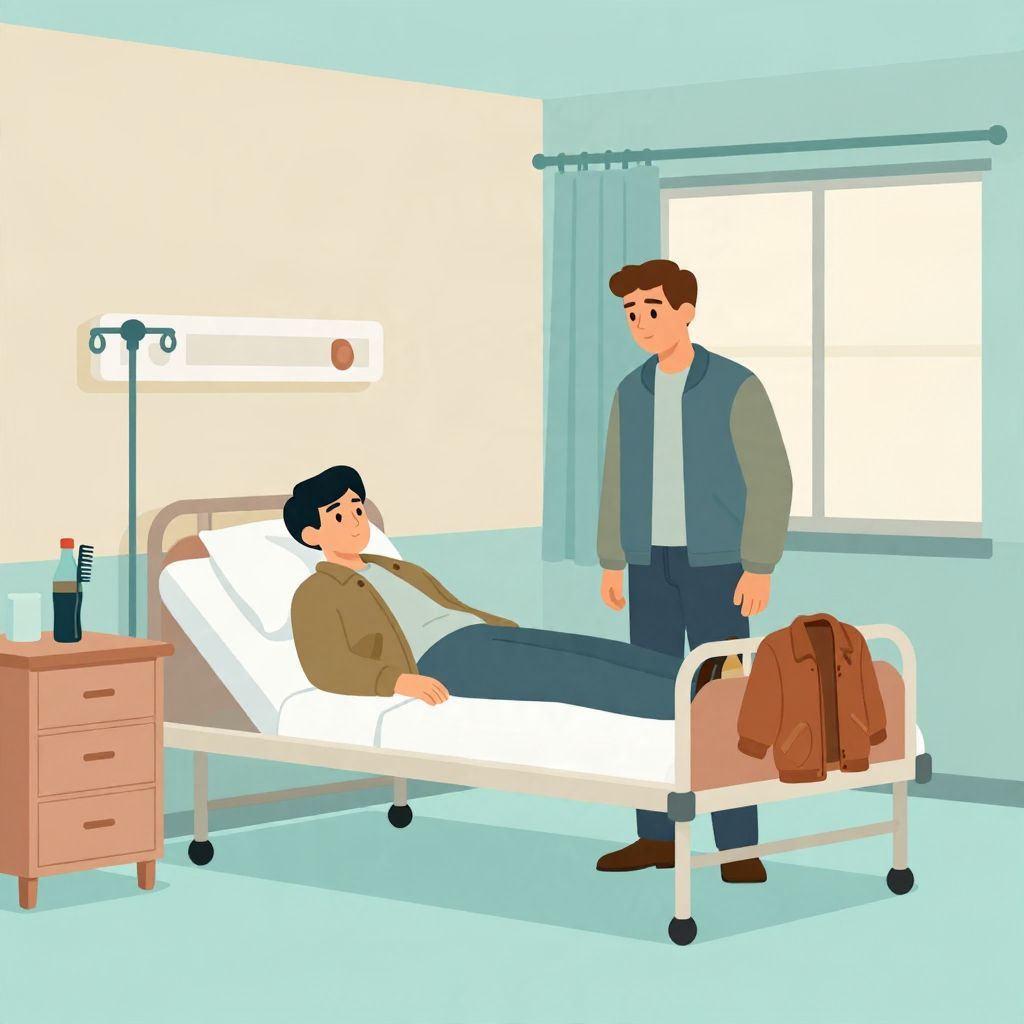
In The Outsiders, Johnny Cade dies from severe injuries suffered when he and Ponyboy rescue children from a burning church. The fire leaves Johnny with critical burns and a broken back, and he later dies in the hospital. His death is one of the novel’s turning points, shaping Ponyboy’s grief and the story’s larger message about class conflict, loyalty, and loss.
Although The Outsiders is a work of fiction rather than history, readers often ask about Johnny’s death because it is central to understanding the novel’s emotional and social meaning. The event is tied to the 1960s setting, youth violence, and the consequences of poverty and gang life in the story’s world.
How Did Johnny Die In The Outsiders?
Johnny Cade dies after being badly burned and injured in a church fire while saving trapped children. His condition is so severe that doctors tell Ponyboy he has a broken back and extensive burns. Johnny later dies from those injuries in the hospital, making his death the result of the fire, not the earlier rumble or the attack by the Socs.
What Happened Before Johnny’s Death?
Johnny’s death does not happen in isolation. It follows a chain of violent events that begin with the attack on Ponyboy and Johnny by the Socs in the park. In self-defense, Johnny kills Bob Sheldon, which forces the two boys to hide out in an abandoned church on Jay Mountain. Their hiding place becomes the setting for the fire that leads to Johnny’s death.
The attack in the park
Before the church fire, Johnny and Ponyboy are confronted by a group of Socs, the wealthier rival gang in the novel. The attack leaves Ponyboy in danger of drowning in a fountain and pushes Johnny into a desperate act of self-defense. This moment is important because it sets the rest of the plot in motion.
Hiding at the church
After the killing, Johnny and Ponyboy flee. They stay in an abandoned church on Windrixville Hill, cutting and dyeing their hair to avoid being recognized. For a brief time, the church functions like a fragile refuge. It also shows how young and vulnerable the boys are, even while they are trying to act tough.
The Church Fire and Johnny’s Injuries
The church catches fire while Ponyboy, Johnny, and Dally are nearby. When they realize children are trapped inside, Johnny and Ponyboy rush in to help. They manage to get the children out, but Johnny is hit by falling debris and badly burned. The fire causes the injuries that eventually kill him.
Why Johnny went into the fire
Johnny’s decision to enter the burning church is one of the most important moral moments in the novel. He has already lived much of his life feeling unwanted, frightened, and powerless. By saving the children, he finally acts with courage and purpose, but the cost is devastating.
The extent of his injuries
After the rescue, Johnny is taken to the hospital. The novel makes clear that his injuries are serious: he is burned badly and has a broken back. These injuries are not survivable in the long term, and his condition worsens despite medical care. His death is therefore the result of trauma from the fire rather than a sudden or mysterious cause.
When Does Johnny Die in the Story?
Johnny dies after the church fire and after Ponyboy visits him in the hospital. The exact timing is not given in a precise calendar date, but it occurs during the later part of the novel, after the rescue and before the final emotional aftermath. His death comes after he has already had one last meaningful conversation with Ponyboy.
His final moments
Johnny’s last conversation with Ponyboy is deeply important to the novel’s meaning. He tells Ponyboy to “stay gold,” a phrase that reflects innocence, beauty, and the wish to remain good in a harsh world. While this is not a historical statement in the literal sense, it is a key literary moment that explains why Johnny’s death matters so much to readers.
Why Johnny’s Death Matters in The Outsiders
Johnny’s death is not just a plot event. It changes Ponyboy, affects Dally, and reinforces the novel’s themes of violence, class division, and loss of innocence. In many ways, Johnny is the character who most clearly shows how the world of the Greasers can destroy a sensitive, vulnerable boy.
Impact on Ponyboy
Ponyboy is devastated by Johnny’s death. Johnny had become one of his closest friends and a source of emotional support. After losing him, Ponyboy becomes more withdrawn and confused, and the novel suggests that grief can be as disorienting as physical danger.
Impact on Dallas Winston
Dally, who is usually hard-edged and emotionally guarded, is deeply shaken by Johnny’s death. He reacts with reckless despair and soon afterward is killed by police after a confrontation. This sequence shows how Johnny’s death ripples outward, affecting the entire group.
Johnny’s Death in the Context of the Novel’s Setting
The Outsiders is set in the 1960s, a period often associated with youth culture, social tension, and changing ideas about identity. S. E. Hinton’s novel reflects a world in which teenagers are sharply divided by class and neighborhood. Johnny’s death shows the deadly consequences of that division, even though the book itself is fictional.
Greasers and Socs
The conflict between Greasers and Socs is the social backdrop for Johnny’s life and death. The Greasers are poorer and more vulnerable; the Socs are wealthier and more socially protected. Johnny is especially affected by this divide because he comes from a violent home and has little security anywhere else.
Violence as a cycle
The novel suggests that violence breeds more violence. Johnny’s death comes after the park attack, the killing of Bob, the hiding in the church, and the fire rescue. Each event leads to the next. In that sense, Johnny dies not from one single mistake, but from a chain of social and personal pressures that build over time.
Was Johnny’s Death Avoidable?
Within the logic of the story, Johnny’s death might seem avoidable at several points, but the novel presents the situation as tragically overdetermined. If the boys had not been attacked, if they had not hidden in the church, or if the church had not caught fire, Johnny might have survived. Still, the book emphasizes that the characters are trapped by circumstances larger than any one choice.
Literary tragedy rather than historical accident
Because The Outsiders is fiction, Johnny’s death should be understood as a literary tragedy, not a historical event. The author uses his death to show the fragility of youth and the human cost of social violence. The emotional truth of the scene matters more than any factual record would in a real historical case.
Key Events Leading to Johnny’s Death
- The Socs attack Ponyboy and Johnny in the park.
- Johnny kills Bob Sheldon in self-defense.
- Ponyboy and Johnny hide in an abandoned church.
- The church catches fire while children are inside.
- Johnny and Ponyboy rescue the children.
- Johnny suffers severe burns and a broken back.
- He dies later in the hospital.
Why Readers Still Ask About Johnny’s Death
Readers continue to ask “How did Johnny die in The Outsiders?” because his death is both sudden and emotionally powerful. It marks the loss of one of the novel’s most sympathetic characters and helps explain the story’s lasting popularity in schools and among general readers. His fate also gives the novel its most famous message about innocence and resilience.
Johnny dies from injuries sustained in the church fire after rescuing children, and that death becomes the emotional center of The Outsiders. It is a fictional event, but it reflects real themes of fear, loyalty, class conflict, and the cost of violence. For readers exploring related literary history and context, you can also look into the 1960s youth culture behind the novel and the life and work of S. E. Hinton.