
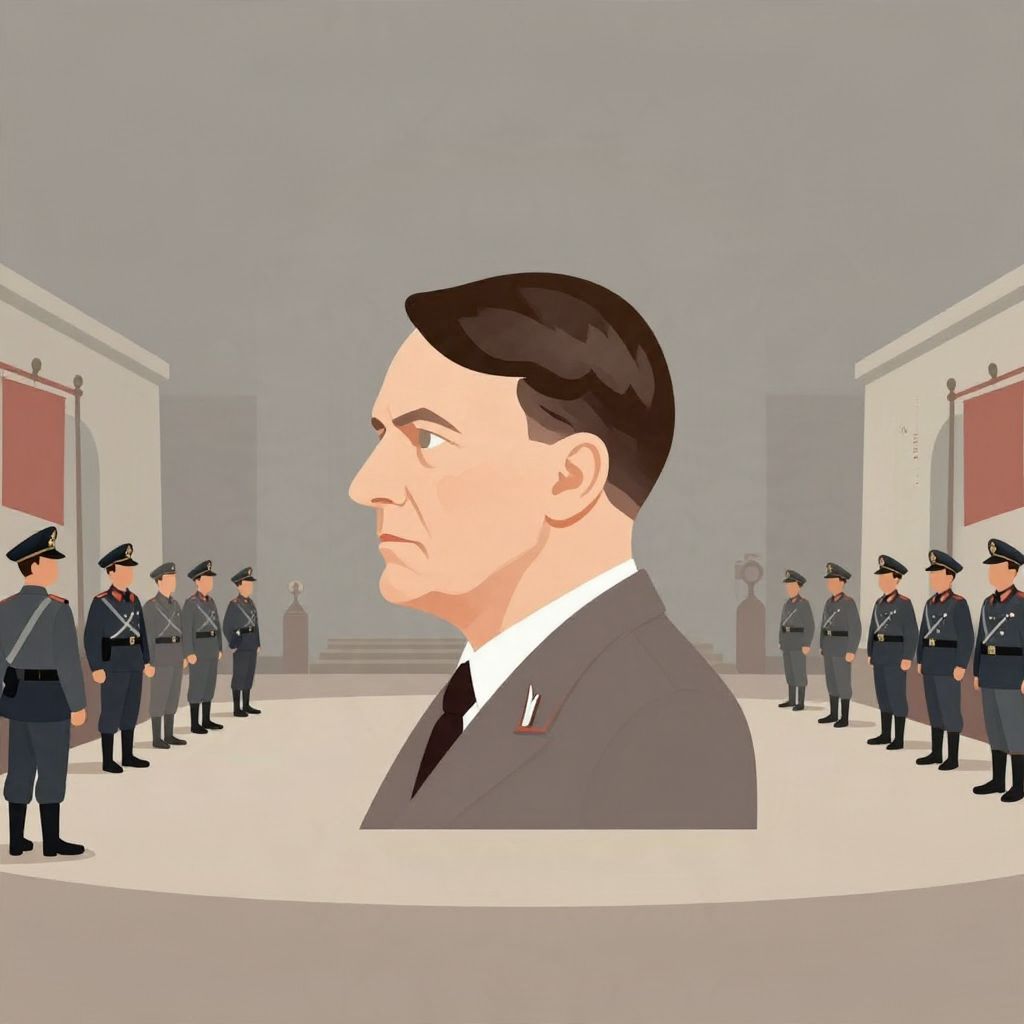
When is Hitler’s birthday? Adolf Hitler was born on April 20, 1889, in Braunau am Inn, a town in what was then the Austro-Hungarian Empire and is now in Austria. That date is well established in historical records and is the answer most readers are looking for.
Because Hitler later became the leader of Nazi Germany, his birthday took on political meaning during the Third Reich. Today, however, it is remembered mainly as a date tied to one of the most destructive figures in modern history.
When Is Hitler’s Birthday?
Hitler’s birthday was April 20, 1889. He was born in Braunau am Inn, near the German border in present-day Austria. The date is not disputed by historians, and it appears consistently in standard biographical records about Adolf Hitler.
Origins of the Date and Place
Adolf Hitler was born into a middle-class family in Braunau am Inn, a small border town in Upper Austria. At the time, Austria was part of the Austro-Hungarian Empire, a multiethnic monarchy that lasted until the end of World War I. His birthplace matters historically because it shows that Hitler was Austrian by birth, even though he later built his political career in Germany.
His parents were Alois Hitler and Klara Hitler. The family background was ordinary compared with the scale of Hitler’s later political rise, and there was nothing in his birth itself that foretold his future role. The importance of the date comes not from the day alone, but from what Hitler later did with power.
Why Hitler’s Birthday Became Politically Significant
During the Nazi era, Hitler’s birthday became a major propaganda occasion. The regime used public ceremonies, speeches, newspaper coverage, and symbolic displays to reinforce the cult of personality around Hitler. His birthday was treated less as a private family milestone and more as a state event meant to project loyalty to the Führer.
This kind of celebration was typical of authoritarian regimes that elevate a leader into a near-mythic figure. In Nazi Germany, the date served political purposes: it helped present Hitler as the central figure of the nation, while also encouraging public conformity and admiration. The birthday was therefore part of the broader machinery of Nazi propaganda.
How the Nazis Used the Date
- State media highlighted his birthday as a national occasion.
- Officials and military leaders often sent greetings or staged events in his honor.
- Public ceremonies linked Hitler personally to the supposed destiny of Germany.
- The date helped reinforce the image of Hitler as indispensable to the regime.
A Brief Timeline of Hitler’s Life Around the Birthday
Understanding the birthday is easier when placed in the larger chronology of Hitler’s life. The date itself is fixed, but its historical meaning changed as his career developed from obscure youth to dictator and war leader.
- 1889 — Adolf Hitler is born on April 20 in Braunau am Inn.
- 1907–1908 — He goes to Vienna and is rejected by the Academy of Fine Arts, a formative setback in his early life.
- 1914 — He enters military service during World War I.
- 1919–1923 — He joins and then helps transform the German Workers’ Party into the Nazi Party.
- 1923 — The failed Beer Hall Putsch brings him national attention.
- 1933 — Hitler becomes Chancellor of Germany.
- 1934 — After Hindenburg’s death, he combines the offices of Chancellor and President, becoming dictator.
- 1939–1945 — He leads Germany through World War II and the Holocaust.
- 1945 — Hitler dies by suicide in Berlin on April 30.
What the Birthday Meant in Nazi Germany
In the Third Reich, Hitler’s birthday was more than a personal celebration; it was a ritual of political loyalty. The regime used anniversaries, rallies, and ceremonial culture to shape public behavior and to make obedience feel normal. April 20 became one of several calendar dates that helped structure Nazi political life.
For supporters, the day symbolized devotion to Hitler and the Nazi state. For many others, especially those persecuted by the regime, it represented the growing power of a dictatorship that was already stripping away rights, silencing opponents, and preparing for aggressive war. The same date could therefore carry radically different meanings depending on one’s position under Nazi rule.
Birthday as Propaganda
Nazi propaganda relied heavily on symbolism. Hitler’s birthday was useful because it personalized the regime. Instead of presenting power as a set of institutions or laws, the Nazis tied authority to one man. This made political allegiance feel emotional and personal, which is one reason such birthdays matter in the study of authoritarian systems.
How Historians View the Date Today
Historians treat April 20, 1889, as a straightforward biographical fact, but they also examine how the date was later used. The birthday itself is not controversial; what is historically important is the way Nazi Germany turned it into a political instrument. That transformation reveals much about the regime’s methods and its obsession with leader worship.
Modern discussion of Hitler’s birthday is usually cautious for good reason. The date can be misused in extremist circles, where symbols associated with Nazism are sometimes revived. For that reason, historical writing about the birthday should remain clear, factual, and unsentimental. The goal is explanation, not celebration.
Why the Date Still Gets Asked About
People often search for Hitler’s birthday for several reasons. Some want a quick biographical fact. Others are studying World War II, Nazi symbolism, or the rise of dictatorship in Europe. Since Hitler’s life shaped the twentieth century in catastrophic ways, even a basic date can open the door to larger historical questions.
The date also appears in discussions about anniversaries, extremist symbolism, and the public memory of the Holocaust. In that sense, the question “When is Hitler’s birthday?” is not just about a birthdate. It is also about how history remembers a dictator whose personal milestones were politicized during his lifetime and remain sensitive today.
Historical Significance Beyond the Birthday
Hitler’s birthday matters because it is attached to a figure whose actions changed world history. Born in 1889, he would go on to lead a regime responsible for the Second World War and the genocide of Europe’s Jews, along with the persecution of many other groups. The date is therefore a reference point for a much larger historical story.
It is also a reminder that major historical actors begin as ordinary people with ordinary beginnings. Hitler was not born a dictator. He became one through a combination of personal ambition, political opportunity, economic crisis, nationalist anger, and the collapse of democratic institutions in Germany. The birthday marks the beginning of a life, not the beginning of his power.
Key Facts at a Glance
- Full name: Adolf Hitler
- Birthday: April 20, 1889
- Birthplace: Braunau am Inn, Austria
- Historical significance: Leader of Nazi Germany from 1933 to 1945
- Why the date matters: It became a major propaganda date under the Nazi regime
So, when is Hitler’s birthday? It is April 20, 1889. The date is historically certain, but its real significance lies in how the Nazi regime turned it into a symbol of dictatorship and mass politics. If you want to explore more about his life and early background, see how old Hitler would be today or why Hitler was rejected from art school.