
Does Japan celebrate Lunar New Year? The short answer is: not as a major national holiday today. Japan once observed the lunisolar New Year, but after adopting the Gregorian calendar in the late 19th century, the country shifted to celebrating New Year’s Day on January 1.
That said, the older lunar-based traditions never disappeared completely. In some regions, festivals, shrine customs, and family practices still preserve echoes of the premodern New Year, and a few communities with strong East Asian cultural ties may mark the holiday in their own way.
Does Japan Celebrate Lunar New Year?
Japan does not officially celebrate Lunar New Year as a nationwide public holiday in the way China, Korea, or Vietnam do. Historically, however, Japan did celebrate the New Year according to the lunisolar calendar until the Meiji era, when the government replaced it with the Western Gregorian calendar in 1873.
How Japan Celebrated New Year Before 1873
The lunisolar calendar in premodern Japan
For centuries, Japan used a calendar system influenced by China, in which months followed the moon while the year stayed aligned with the seasons. New Year’s Day usually fell in late winter or early spring by the modern calendar. This meant the holiday was tied to agricultural rhythms, court ritual, and family renewal rather than to January 1.
Customs of the old New Year
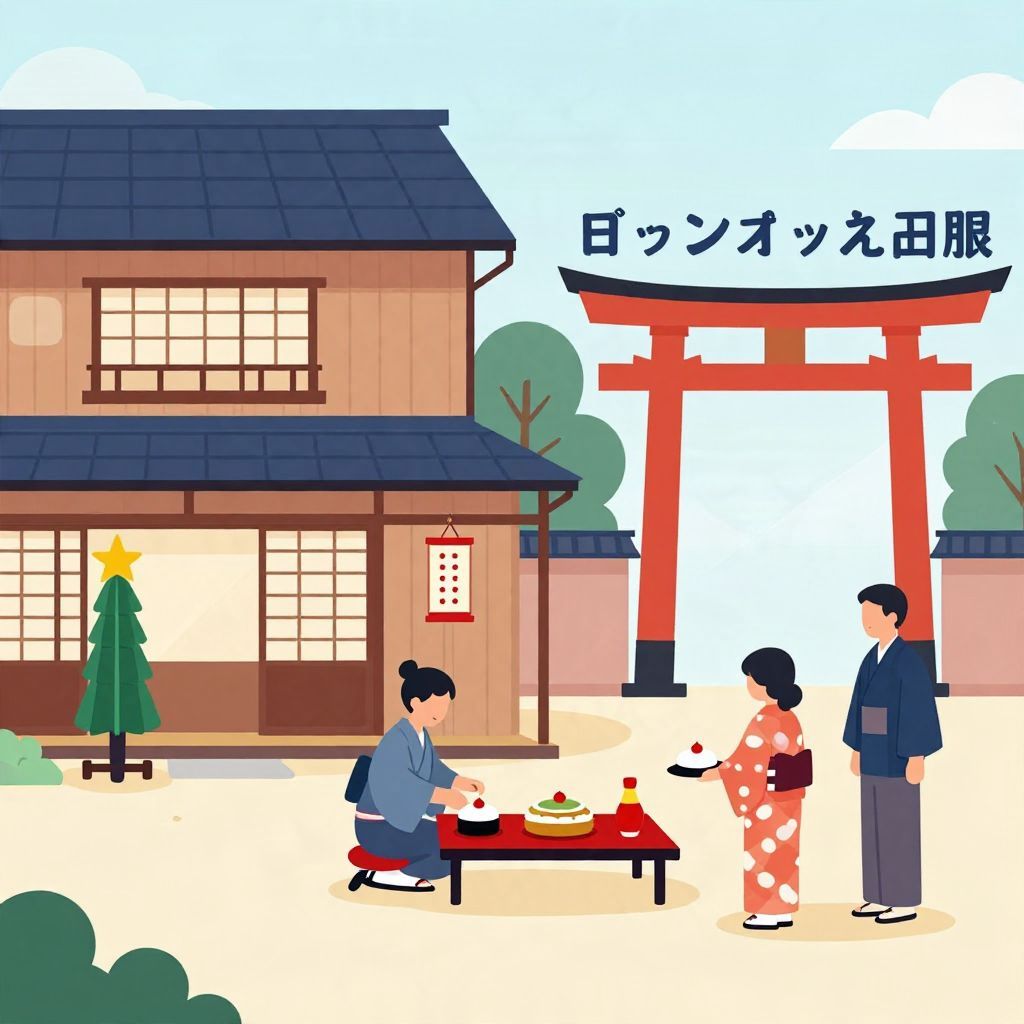
Premodern Japanese New Year observances included cleaning the home, offering food to deities and ancestors, visiting shrines or temples, and exchanging greetings. These practices were not identical everywhere, but they shared a common purpose: to welcome a fresh cycle of life and ensure good fortune. Some customs survived in altered form even after the calendar change.
Why Japan Stopped Using the Lunar New Year Date
The Meiji government and calendar reform
Japan changed its official calendar in 1873, during the Meiji period, as part of a wider effort to modernize the state and align it more closely with Western powers. The reform made January 1 the official New Year. This was a practical political decision as much as a cultural one, helping standardize administration, taxation, and international relations.
Modernization and state-building
The calendar change was one of many reforms that transformed Japan in the late 19th century. Meiji leaders wanted a more centralized, efficient nation-state. By adopting the Gregorian calendar, they also reduced confusion in diplomacy and commerce, since Western countries already used it. The shift did not erase older customs overnight, but it did redefine the official holiday calendar.
What Japan Celebrates Today Instead
Shogatsu, the Japanese New Year
Today, Japan’s main New Year celebration is Shogatsu, observed on January 1 and the surrounding days. It is the most important annual holiday in Japanese life. Families gather, eat special foods, visit shrines and temples, and send greetings for health and prosperity. In modern Japan, this is the holiday that most closely corresponds to New Year’s celebrations elsewhere in East Asia.
Typical New Year traditions in Japan
- Hatsumode: the first shrine or temple visit of the year.
- Osechi ryori: special boxed New Year foods with symbolic meanings.
- Kakizome: the year’s first calligraphy practice.
- Nengajo: New Year’s greeting postcards or messages.
- Toshikoshi soba: noodles eaten at the year’s transition, symbolizing longevity.
These customs show that Japan did not abandon New Year celebration. Instead, it moved the official date and reshaped the holiday around the modern calendar.
Does Any Part of Japan Still Observe Lunar New Year?
Regional and community practices
While Japan does not broadly celebrate Lunar New Year as a national holiday, some local festivals still follow older seasonal patterns. In parts of Okinawa and the Amami Islands, for example, customs influenced by earlier lunar or lunisolar traditions have survived more visibly than in mainland Japan. These are regional cultural continuities, not a return to a nationwide lunar New Year calendar.
Japanese communities abroad and multicultural settings
In contemporary Japan, people from Chinese, Korean, Vietnamese, and other East Asian backgrounds may celebrate Lunar New Year privately or in community settings. That is especially true in urban areas with immigrant populations. These observances are part of Japan’s modern multicultural life, but they are distinct from the country’s official holiday calendar.
How Japan’s New Year Differs from Lunar New Year in Other Countries
Similar roots, different calendars
Japan, China, Korea, and Vietnam all inherited calendar traditions from East Asia’s historical cultural sphere. For a long time, they shared many seasonal rituals connected to the lunisolar year. The key difference is that Japan officially switched to the Gregorian calendar in the 19th century, while several neighboring societies continued to mark the lunar or lunisolar New Year as a major holiday.
Cultural memory versus official observance
This is why the answer to “Does Japan celebrate Lunar New Year?” can seem confusing. Historically, yes, Japan did. Today, no, not in the same official sense. Yet cultural memory remains visible in language, family customs, regional festivals, and the importance of New Year’s season in Japanese life.
Historical Significance of the Calendar Change
A symbol of modernization
The switch from the traditional calendar to the Gregorian system was more than a technical adjustment. It symbolized Japan’s rapid transformation in the Meiji era. Calendar reform helped create a more uniform modern state and signaled Japan’s entry into a global order dominated by Western diplomatic and economic systems.
Continuity beneath change
At the same time, the reform did not erase older cultural meanings. Japanese New Year remains a family-centered holiday with rituals of purification, renewal, and good fortune. In that sense, the spirit of the old lunar New Year survived even after the date changed. The tradition adapted rather than vanished.
So, Does Japan Celebrate Lunar New Year?
Historically, Japan did celebrate New Year according to the lunisolar calendar, but modern Japan does not officially celebrate Lunar New Year as a national holiday. Since 1873, the country has marked New Year’s Day on January 1, while preserving many older customs in the form of Shogatsu. The result is a blend of continuity and change: the holiday remains central, but the calendar is different.