
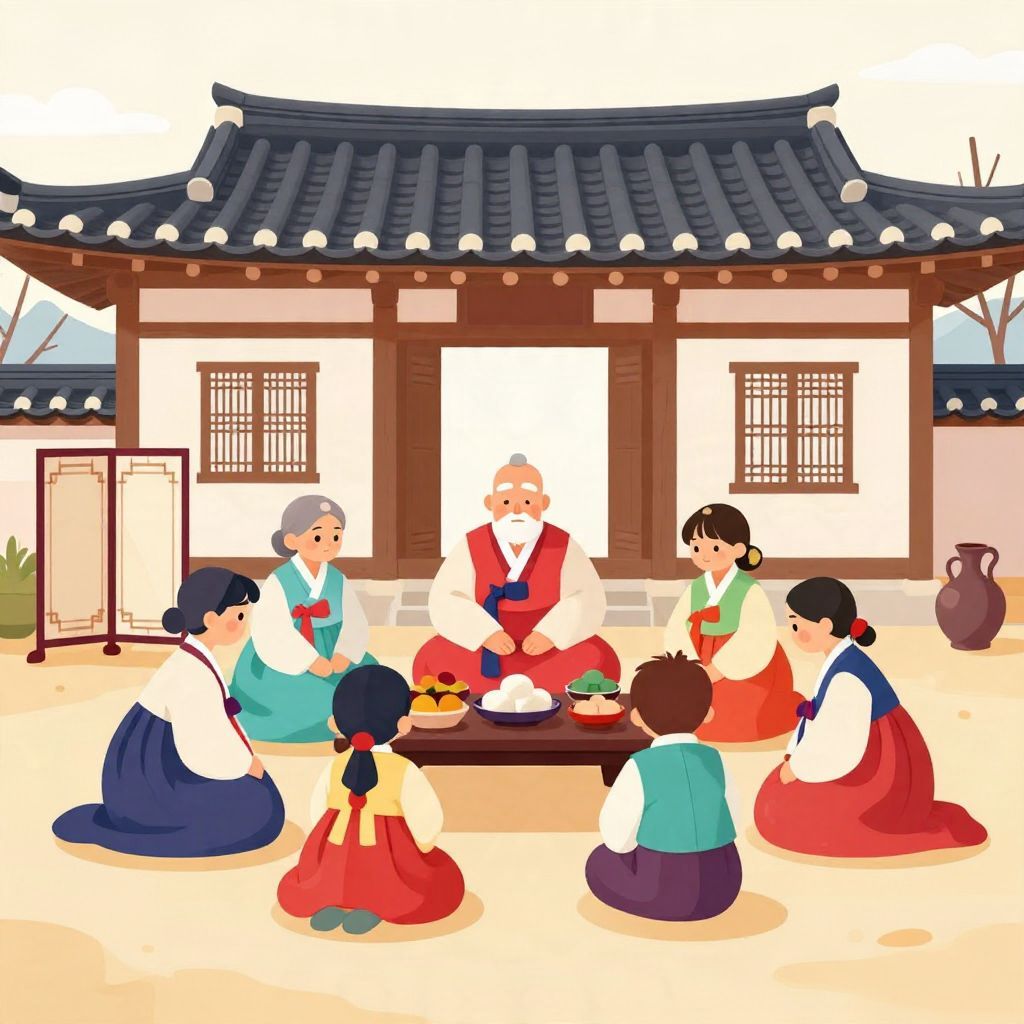
Do Koreans celebrate Lunar New Year? Yes—Koreans have long observed the holiday known as Seollal, one of the most important traditional celebrations in Korea. Its customs are rooted in East Asian lunar-solar calendrical traditions, but the Korean form of the holiday developed its own family rituals, foods, and ancestral practices over centuries.
The answer, however, depends on what is meant by “Lunar New Year.” In Korea, Seollal is not just a generic New Year’s festival; it is a distinct cultural observance shaped by Korean history, Confucian family customs, and modern changes to the calendar and public holidays.
Do Koreans Celebrate Lunar New Year?
Yes. Koreans celebrate Lunar New Year as Seollal, traditionally on the first day of the lunar calendar. It is a major family holiday marked by ancestral rites, age-based greetings, special foods like tteokguk (rice cake soup), and visits with relatives. In modern South Korea, it remains one of the year’s most important holidays.
What Seollal Means in Korean History
Seollal has deep historical roots in the Korean peninsula, where seasonal festivals were tied to agriculture, family lineage, and the changing year. Like neighboring China and other East Asian societies, Korea used lunar-solar calendars for much of its history, so the new year was traditionally calculated according to the lunar cycle rather than the modern Gregorian calendar.
The holiday became especially significant under the influence of Confucian social values, which emphasized filial piety, ancestor remembrance, and family hierarchy. Over time, Seollal came to center on household ritual rather than public spectacle alone. That is one reason the holiday still feels intimate and family-oriented in Korea today.
From court ritual to household tradition
In premodern Korea, New Year observances were not limited to ordinary families. Royal courts, officials, and local communities also marked the season with ceremonies, gifts, and formal greetings. But the customs that survived most strongly into modern times are domestic ones: bowing to elders, honoring ancestors, and sharing symbolic foods at home.
How Koreans Traditionally Celebrate Seollal
Traditional Seollal customs vary by region and family, but several practices are widely recognized. These traditions help explain why the holiday is more than just a date on the calendar; it is a cultural gathering that links the living with ancestors and relatives across generations.
1. Charye: ancestral rites
Many families perform charye, a memorial ritual for ancestors. Food is arranged carefully on a table, and family members pay respects to deceased relatives. This practice reflects the long influence of Confucian ancestor veneration in Korean society.
2. Sebae: formal New Year bowing
Younger family members perform sebae, a deep bow to elders, and in return may receive blessings or gifts of money. The ritual reinforces family respect and social order, especially within extended households gathering for the holiday.
3. Tteokguk: rice cake soup
One of the best-known Seollal foods is tteokguk, a soup made with sliced rice cakes. Eating it is traditionally associated with gaining a year in age and symbolically beginning the new year in good fortune. The dish is so closely tied to the holiday that it is often used as a shorthand for Seollal itself.
4. Games, dress, and family visits
Families may wear hanbok, the traditional Korean dress, and children often play folk games such as yutnori. Many people also travel to their ancestral hometowns, making Seollal one of the busiest travel periods of the year in South Korea.
Did Korea Always Celebrate Lunar New Year in the Same Way?
No. The holiday has changed over time, especially as Korea modernized and came under different political systems. The core idea of marking the new year by the lunar calendar is old, but the social meaning, official status, and public habits around it have shifted.
Premodern Korea
Before the modern era, lunar new year observance was part of the broader East Asian calendrical world. In the Joseon period (1392–1910), when Confucianism strongly shaped state and family life, New Year rituals became especially formalized. Household ceremonies, official greetings, and seasonal customs all fit into a larger moral and social order.
Japanese colonial rule and calendar change
During Japanese colonial rule in Korea (1910–1945), cultural practices were often pressured, altered, or suppressed. The adoption of the Gregorian calendar in official life changed how holidays were organized. Even so, many Koreans continued to observe the lunar new year privately or in family settings.
Modern South Korea
In the 20th century, South Korea used both the solar calendar and the lunar calendar in different ways. The lunar new year was later restored as a major public holiday, and today Seollal is one of the country’s most important holiday periods. The modern holiday is a blend of old ritual and contemporary family life.
North Korea
North Korea also recognizes the lunar new year, though public holiday practices and state framing differ from those in South Korea. As in other parts of the Korean cultural sphere, the holiday remains tied to family and seasonal tradition, even when political systems shape how it is officially presented.
Why Korean Lunar New Year Is Culturally Distinct
Although Seollal is related to Lunar New Year celebrations elsewhere in East Asia, it is not simply a copy of them. Korean customs developed their own character through language, lineage systems, food traditions, and etiquette. The holiday’s meaning is therefore both regional and distinctly Korean.
Family and ancestry are central
In Korea, the holiday strongly emphasizes family continuity. The ritual focus on ancestors and elders reflects a society in which kinship and household identity historically mattered greatly. This is one reason Seollal can feel more solemn and ceremonial than some other New Year celebrations.
Age and respect matter
Seollal is also tied to the Korean cultural importance of age. Traditional greetings, bowing, and the symbolic “new year” age system all reflect a social world in which one’s place in the family and community is carefully recognized.
Food carries meaning
Korean New Year foods are not just festive dishes; they are symbolic acts of remembrance and renewal. Tteokguk, dumplings in some households, and carefully prepared ritual foods all help turn the holiday into a shared cultural performance.
Common Misunderstandings About Korean New Year
Because the phrase “Lunar New Year” is often used broadly, people sometimes assume all East Asian celebrations are identical. That is not true. Korea’s Seollal has its own history, vocabulary, and customs, even though it shares calendrical roots with neighboring traditions.
- It is not the same as Western New Year. Koreans also celebrate January 1 as the solar New Year, but Seollal remains the traditional lunar new year.
- It is not a recent invention. Seollal is historically grounded and long predated the modern era.
- It is not identical across all Korean families. Urbanization, migration, and changing family structures have altered how people celebrate.
- It is both traditional and modern. Some families keep elaborate rituals, while others celebrate more simply with travel, meals, and rest.
The Modern Meaning of Seollal
Today, Seollal remains one of the most important cultural holidays in Korea, even as lifestyles have changed. Many people use the holiday for family reunions, reflection, and travel. Others observe only part of the traditional ritual, especially in urban households where time, distance, and generational change affect practice.
What has remained consistent is the holiday’s role as a marker of continuity. Seollal connects modern Koreans to older patterns of family life, seasonal rhythm, and remembrance. It shows how a traditional festival can survive political change, modernization, and shifting social habits while still retaining its core meaning.
Conclusion
So, do Koreans celebrate Lunar New Year? Yes—through Seollal, a long-standing Korean holiday shaped by lunar calendrical tradition, ancestral rites, and family-centered customs. Its history shows both continuity and change: an ancient seasonal observance that has adapted to modern Korea without losing its cultural importance. For related East Asian holiday history, see whether Japan celebrates Lunar New Year.