
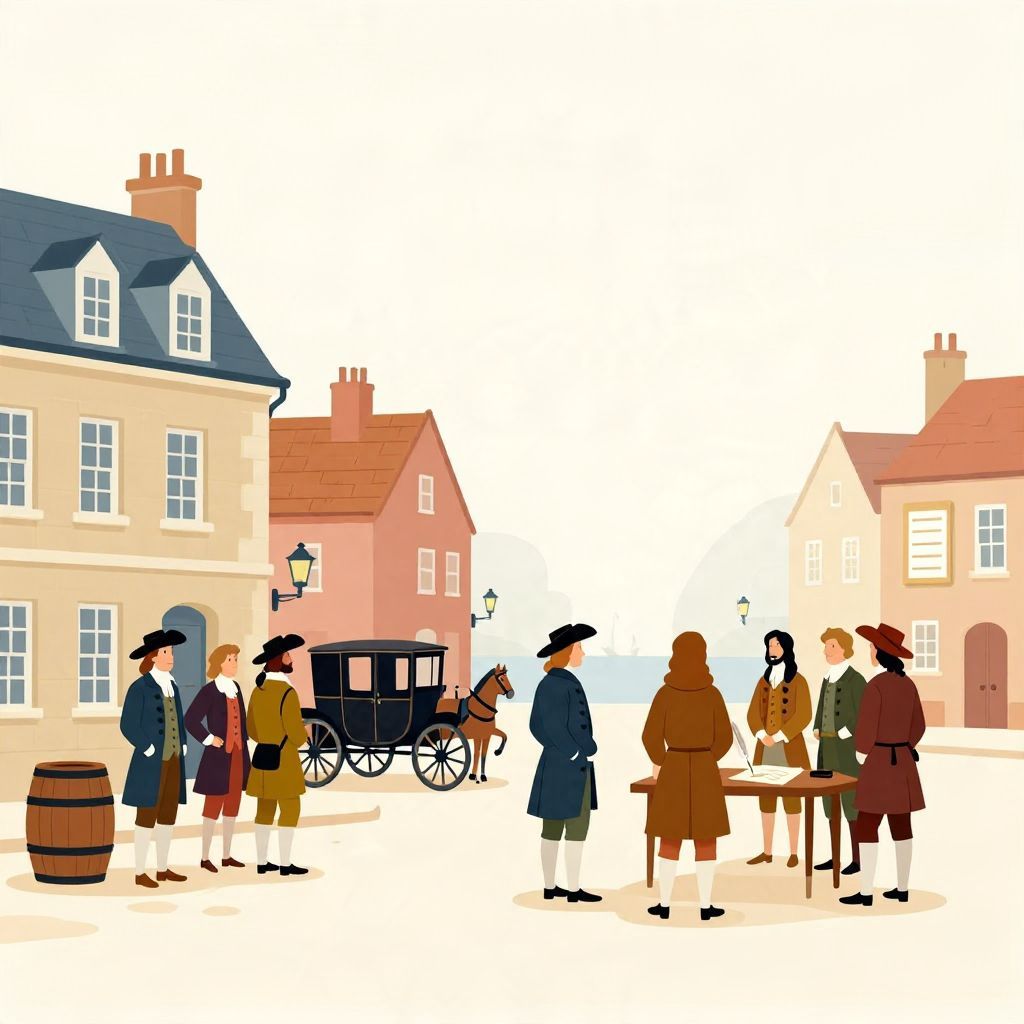
What is 1738? In history, “1738” is simply a year in the Gregorian calendar. It sits in the 18th century, during an age of empires, Enlightenment thought, expanding Atlantic trade, and growing political tension in Europe and its colonies.
But when people ask “What is 1738?” today, they may also mean the modern slang use of the number, especially in popular music and branding. The phrase has a much older historical meaning as a date, and a much newer cultural meaning as a symbol of style, identity, and recognition.
What is 1738?
1738 is a calendar year in the 18th century. Historically, it refers to the year between 1737 and 1739, a time when Europe, the Americas, Africa, and Asia were linked by trade, war, and empire. In modern culture, “1738” is also known as a slogan associated with rapper Fetty Wap and with Rémy Martin 1738 cognac.
1738 as a historical year
As a year, 1738 belongs to the early modern period, when monarchies, trading companies, and colonial powers shaped much of global politics. It was not a single dramatic turning point, but part of a wider century marked by scientific inquiry, commercial expansion, religious change, and rivalry among states.
The world in 1738
In 1738, Britain, France, Spain, Austria, Russia, and the Ottoman Empire were among the major powers influencing international affairs. Across the Atlantic, European colonies in North America and the Caribbean were expanding. In South Asia, the Mughal Empire was weakening, while regional powers and European trading interests competed for influence.
This was also a period when ideas circulated more quickly than before. Books, pamphlets, newspapers, salons, and coffeehouses helped spread Enlightenment thinking among educated readers, while ordinary people experienced the era through taxes, wars, religion, labor, and migration.
Key events connected to 1738
Several important developments occurred in or around 1738. The year mattered less as a single dramatic event than as part of a chain of political and cultural changes that shaped the mid-18th century.
War and diplomacy in Europe
- 1738 was the year the War of the Polish Succession came to an end with the Treaty of Vienna.
- The conflict had involved major European powers competing over the Polish throne and wider balance-of-power politics.
- The settlement confirmed that dynastic disputes in one kingdom could trigger wider continental war.
The war’s end did not create lasting peace. Instead, it showed how fragile European diplomacy remained. Rulers used marriage alliances, territorial swaps, and military pressure to protect dynastic interests, and the consequences would feed later conflicts in the century.
Religion and revival in Britain
In 1738, the religious revival associated with John Wesley and early Methodism began to take shape more clearly. Wesley’s famous Aldersgate experience is traditionally dated to 1738, though historians treat the event carefully because later accounts shaped how it was remembered. Even so, the year is significant in Methodist history.
This revival mattered because it helped encourage a more emotional, disciplined, and evangelical form of Protestant religion. It also influenced later Methodist movements in Britain, North America, and beyond.
Colonial and imperial expansion
Across the Atlantic world, 1738 fell in an era of plantation economies, enslaved labor, and colonial competition. European empires depended heavily on sugar, tobacco, coffee, and other commodities produced through coercive labor systems, especially in the Caribbean and the Americas.
In many places, the year 1738 would have been experienced less as an abstract date than as part of a world of shipping schedules, harvest cycles, military garrisons, and imperial administration. For enslaved people, Indigenous communities, and colonists alike, these structures shaped daily life and long-term change.
Why 1738 matters in history
1738 matters because it helps historians place events in context. A single year can reveal how politics, religion, and empire overlapped. Rather than standing alone, it sits inside larger processes: the rise of global trade, the growth of state power, and the spread of new religious and intellectual movements.
A year of transition, not isolation
Many historical years are important because of one famous battle or treaty. 1738 is different. Its significance lies in how it connects to broader trends:
- European balance-of-power politics continued to shape diplomacy and war.
- Religious revival was changing Protestant culture in Britain and America.
- Imperial economies were expanding through trade, slavery, and colonial administration.
- Enlightenment-era ideas were increasingly visible in print and public debate.
Seen this way, 1738 is not just a date. It is a snapshot of an interconnected world in motion.
What does 1738 mean today?
In modern popular culture, “1738” often means something different from the historical year. It is widely recognized as a reference linked to Fetty Wap and his music, where the number became part of his public identity and brand. That usage has no direct historical connection to the 18th century, though it has made the number highly recognizable.
1738 and Rémy Martin
The number also appears on Rémy Martin 1738, a cognac named to evoke a royal distinction granted to the house in 1738. This is a branding reference, not the year of the brand’s founding. The label uses the date to suggest heritage, craftsmanship, and prestige.
Because of these modern associations, many people searching “What is 1738?” are not looking for a calendar date at all. They may be asking about a lyric, a slogan, or a bottle label. Still, the historical year remains the original meaning.
Common misunderstandings about 1738
Because the number appears in both history and popular culture, it is easy to confuse meanings. A few clarifications help:
1738 is not a historical event by itself
It is a year, not a battle, treaty, dynasty, or invention. To understand it historically, you have to ask what happened in that year and what larger processes were underway.
Its modern meaning is cultural, not ancient
The slang use of “1738” comes from contemporary music and branding. It does not reflect an old code, secret society, or historical motto.
Not every 1738 reference means the same thing
In one context, 1738 may mean the 18th-century year. In another, it may point to a rapper’s signature number or a cognac label. Meaning depends on context.
1738 in the broader timeline of the 18th century
To understand 1738, it helps to place it among nearby developments in the century:
- Early 1700s: European states consolidate power after the wars of the late 17th and early 18th centuries.
- 1730s: Religious revivals, colonial growth, and commercial expansion intensify.
- Mid-1700s: Major imperial conflicts reshape North America, Europe, and India.
- Late 1700s: Revolutions in America, France, and elsewhere transform political life.
1738 sits before the great upheavals of the later century, yet it belongs to the world that made those upheavals possible. The institutions, debts, empires, and ideas of the 1730s helped set the stage for later revolutions and reforms.
So, what is 1738?
Historically, 1738 is an 18th-century year marked by European diplomacy, religious revival, and expanding global empires. In modern culture, it is also a memorable number tied to music and branding. The best answer depends on context, but the original historical meaning is simply the year 1738.
For readers interested in the wider world of the 18th century, related topics such as the Enlightenment and the history of the Atlantic world help explain why a single year like 1738 can still matter.