
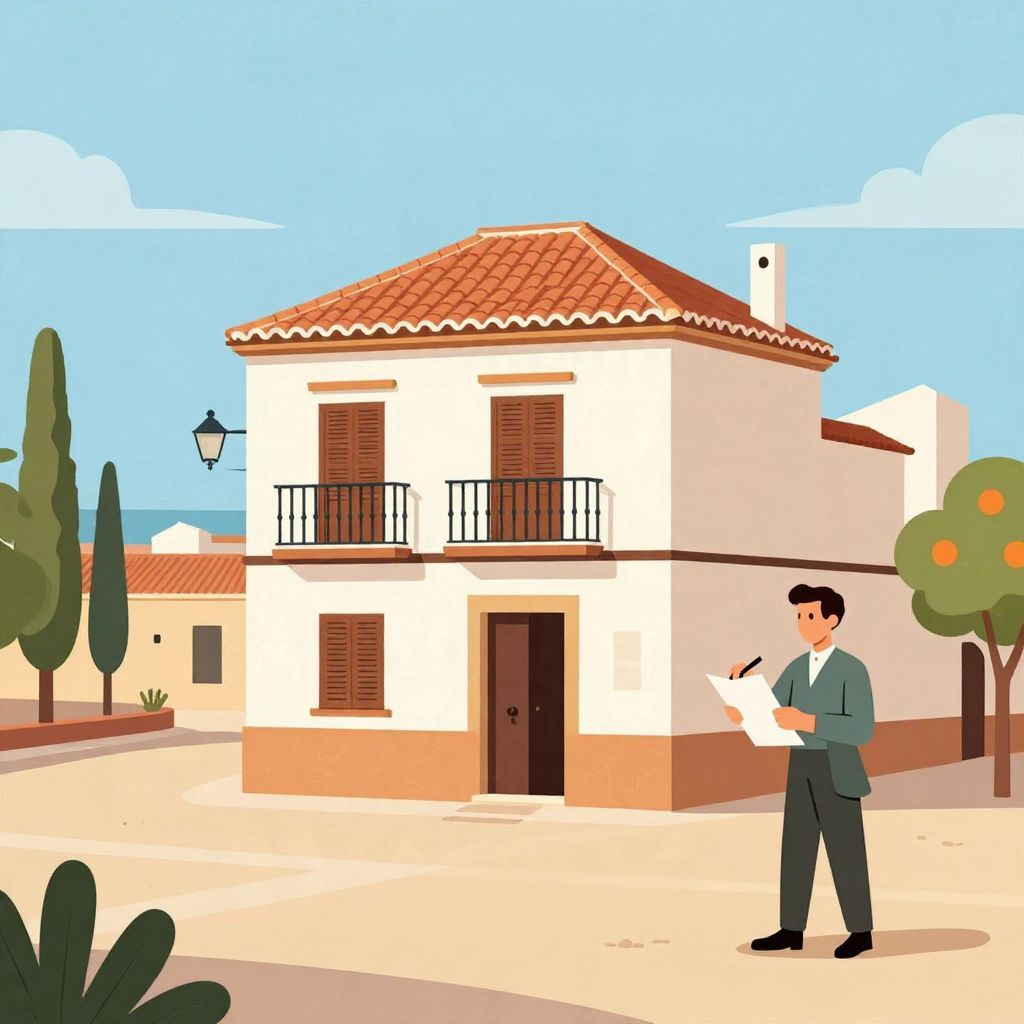
Where was Picasso born? The short answer is that Pablo Picasso was born in Málaga, Spain, on 25 October 1881. His birthplace matters because it helps explain the early cultural world of one of the most influential artists of the 20th century.
Picasso’s Spanish origins, and the cities he later lived in, shaped his development as a painter, sculptor, printmaker, and designer. His life moved from Andalusia to Barcelona, Madrid, Paris, and beyond, but his birth in southern Spain remained part of his identity throughout his career.
Where Was Picasso Born?
Pablo Picasso was born in Málaga, a port city on the southern coast of Spain, in the region of Andalusia. He was born on 25 October 1881 at a house on Plaza de la Merced, a central square in the city. Málaga was then part of the Spanish kingdom and a lively commercial and cultural center with deep Mediterranean connections.
The exact birthplace
Picasso’s birth took place in the family home at 8 Plaza de la Merced in Málaga. The building is now associated with his memory and is one of the most recognized sites connected to his early life. While museums and memorials often simplify such stories, the basic historical fact is well established: Málaga is Picasso’s birthplace.
Why Málaga mattered
Málaga was not a remote provincial town cut off from artistic life. In the late 19th century, it was a busy southern Spanish city shaped by trade, migration, and changing political conditions in post-Napoleonic Spain. Its atmosphere, local traditions, and visual culture formed the earliest environment of Picasso’s childhood before his family moved elsewhere.
Picasso’s Early Life in Spain
Picasso’s birthplace is only the beginning of his story. He was born into a family that supported artistic training, and his father, José Ruiz Blasco, was an art teacher and painter. This gave the young Picasso early exposure to drawing, observation, and academic art methods. His childhood in Spain laid the foundation for the extraordinary career that followed.
Family background
Picasso’s full name was Pablo Diego José Francisco de Paula Juan Nepomuceno Cipriano de la Santísima Trinidad Ruiz y Picasso. He later chose to use his mother’s surname, Picasso, professionally. His father worked as a drawing instructor, which meant the household was familiar with art education and technical skill from an early stage.
From Málaga to other Spanish cities
The family did not remain in Málaga permanently. They moved during Picasso’s youth, first to A Coruña in northwestern Spain and later to Barcelona. These moves mattered because each city exposed him to different artistic circles and social settings. Barcelona, especially, became a crucial center for his early development as an ambitious young artist.
The Historical Background of Picasso’s Birthplace
To understand where Picasso was born, it helps to understand what Málaga was like in 1881. The city had ancient roots, going back to Phoenician and Roman times, and by the 19th century it was a modernizing Mediterranean port. Spain itself was undergoing political instability, social change, and debates over national identity, all of which formed the wider backdrop to Picasso’s early years.
Málaga in the late 19th century
In Picasso’s childhood, Málaga combined old urban traditions with the pressures of industrial and commercial change. Like many Spanish cities, it reflected the uneven modernization of the country. There were cultural institutions, local elites, popular festivals, and strong regional customs. This kind of environment helped produce the rich visual memory that later appeared in Picasso’s art, even when his work became highly experimental.
Spain at the time of his birth
Picasso was born during the Bourbon Restoration, a period when Spain was trying to stabilize its monarchy after years of upheaval. The country had experienced war, political conflict, and shifting governments throughout the 19th century. Although these national events did not directly determine Picasso’s art, they formed part of the historical Spain into which he was born.
How Picasso’s Birthplace Influenced His Identity
Picasso is often associated with Paris, where he became internationally famous, but his Spanish birth remained central to how he understood himself. He was deeply shaped by Spanish art, Spanish themes, and Spanish cultural memory. His birthplace in Málaga is therefore not just a biographical detail; it is part of the historical context of his identity as an artist.
Spanish roots in his art
Throughout his career, Picasso returned to Spanish subjects and visual traditions. He drew inspiration from artists such as Diego Velázquez and Francisco Goya, and he often engaged with themes of bullfighting, portraiture, and dramatic human emotion. These interests did not come only from Málaga, but his Spanish origins helped root him in a broader artistic heritage.
Not just a French artist
Although Picasso spent much of his adult life in France, he was not French by birth. He was a Spanish-born artist who later became closely connected to Parisian modernism. That distinction matters because it helps explain why historians describe him as both a Spanish and an international figure. His birthplace is an essential part of that identity.
From Birthplace to World Fame
Picasso’s journey from Málaga to global fame was long and complex. He trained in Spain, moved to Paris in the early 1900s, and became one of the central figures in modern art. His birthplace did not determine his entire career, but it gave him a starting point in a specific historical and cultural setting that remained important to him.
Key stages in his early development
- 1881 — Born in Málaga, Spain.
- 1880s–1890s — Childhood and artistic training in Spain, including moves to A Coruña and Barcelona.
- 1900 — First trip to Paris, where he encountered the avant-garde art world.
- Early 1900s onward — Emerged as a major innovator in modern art.
Why birthplace questions matter in history
Questions like “Where was Picasso born?” are more than trivia. Birthplaces can reveal the social, political, and cultural conditions that shaped a historical figure’s early life. In Picasso’s case, Málaga connects him to southern Spain, to a family of educators and artists, and to a country whose artistic traditions he would later transform.
Málaga Today and Picasso’s Legacy
Today, Málaga actively preserves its connection to Picasso. The city treats him as one of its most famous native sons, and visitors can find museums and memorials associated with his life and work. This modern commemoration reflects how strongly birthplace can become part of historical memory, especially for globally recognized figures.
Historical memory and tourism
Like many cities associated with famous people, Málaga uses Picasso’s birth as part of its cultural identity. That does not change the historical record, but it shows how birthplace can acquire symbolic meaning over time. For residents and visitors alike, Picasso’s origins in Málaga link local history to world art history.
Answer in Historical Context
Picasso was born in Málaga, Spain, in 1881. That simple fact is the starting point for understanding his life, but it is also a window into the cultural world that shaped him: a southern Spanish port city, a family of artists, and a country whose traditions he would both inherit and revolutionize.
For readers interested in how birthplace shapes historical identity, it can also be useful to explore other famous figures and the places that formed them, such as Alexander the Great’s birthplace or the historical significance of a location tied to modern memory like where John Lennon was shot.