
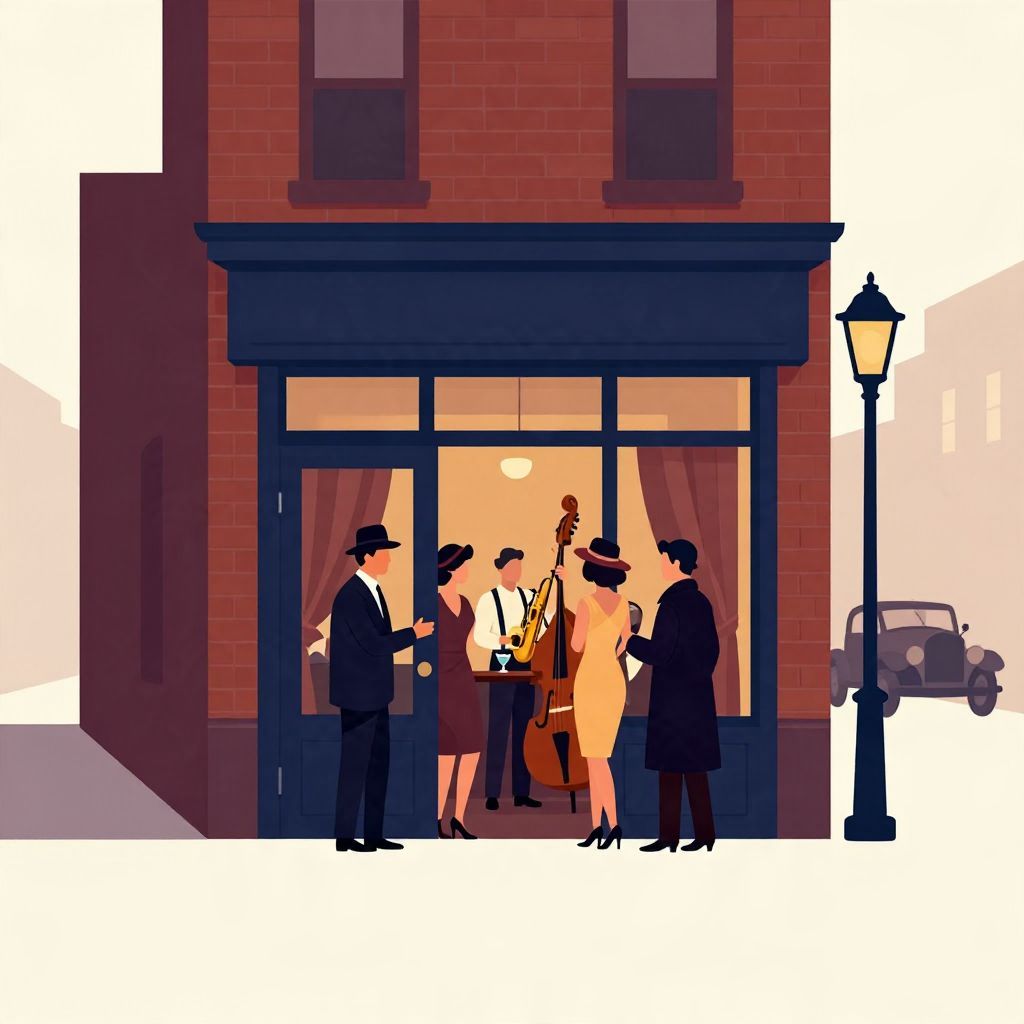
What were speakeasies? In the United States, speakeasies were illegal bars or drinking spots that flourished during Prohibition, the period from 1920 to 1933 when the manufacture, sale, and transportation of alcoholic beverages were banned nationwide. They became one of the most recognizable symbols of the era, mixing secrecy, entertainment, and defiance.
Speakeasies were not just hidden taverns; they were part of a larger social world shaped by law, crime, urban nightlife, and changing attitudes toward alcohol. Their history helps explain how Prohibition worked in practice—and why so many Americans found ways around it.
What Were Speakeasies?
Speakeasies were secret or semi-secret establishments where alcohol was sold and consumed illegally during Prohibition, especially in the 1920s and early 1930s. They ranged from back-room bars and basement clubs to elegant nightspots disguised as soda shops, restaurants, or private social clubs.
The term usually refers to places that operated in violation of Prohibition laws, though the exact style varied. Some were rough-and-ready neighborhood joints; others were fashionable clubs with live music, dancing, and carefully managed entry rules. What united them was their illegal sale of liquor and the need for discretion.
Why were they called “speakeasies”?
The name likely came from the idea that customers had to “speak easy” or quietly when asking for illicit alcohol so as not to draw attention. The exact origin of the word is not fully certain, but it was already in use before national Prohibition and became widely associated with bootlegging-era nightlife.
The Historical Background: Why Speakeasies Appeared
Speakeasies emerged because Prohibition created a huge gap between the law and public demand. Many Americans continued to want beer, wine, and spirits even after the 18th Amendment and the Volstead Act made alcohol production and sale illegal. The result was a thriving underground market.
Prohibition did not eliminate drinking. Instead, it pushed alcohol consumption into hidden spaces. Urban areas, especially cities with dense populations and active nightlife such as New York, Chicago, and Detroit, became centers of illegal drinking culture. In those places, speakeasies met a demand that the law had not removed.
Prohibition and the law
National Prohibition began in 1920, after the 18th Amendment was ratified and the Volstead Act defined the legal framework for enforcement. The law banned the manufacture, sale, and transportation of intoxicating liquor, though it allowed some exceptions for medical, religious, and industrial use. Enforcement was uneven, and loopholes were common.
Because alcohol could still be obtained through theft, smuggling, diversion from legal sources, or home production, speakeasies had access to supply. Their existence showed that prohibition was not simply a matter of passing a law; it required broad public cooperation that never fully materialized.
How Speakeasies Worked
Speakeasies depended on secrecy, connections, and bribery. Entry was often controlled by passwords, knock patterns, hidden doors, or trusted introductions. Some had unmarked entrances in basements, behind storefronts, or through restaurants and barber shops. Others looked ordinary from the outside and only revealed their purpose after entry.
Inside, the atmosphere could vary greatly. Some places were cramped and smoky, serving cheap liquor in rough conditions. Others offered jazz bands, cocktails, dance floors, and a glamorous urban experience. In the best-known clubs, speakeasies became important spaces for modern entertainment and social mixing.
Common features of a speakeasy
- Hidden or disguised entrances
- Passwords or coded invitations
- Illegal alcohol service
- Bribery or protection from local officials
- Music, dancing, and nightlife entertainment
Who Went to Speakeasies?
Speakeasies attracted a wide range of patrons. Working-class customers might go for affordable drinks and a lively night out, while middle-class and wealthy guests often visited fashionable clubs for jazz, dancing, and a sense of modern excitement. Men and women attended together more openly than in many earlier drinking establishments.
These venues became especially important in the cultural life of the 1920s. They reflected changing gender norms, urban leisure, and the growing popularity of jazz. In some cities, speakeasies also became spaces where racial boundaries were crossed more often than in mainstream society, though segregation and discrimination still shaped access and experience.
Speakeasies and jazz culture
Many speakeasies featured live jazz, helping spread the music beyond Black communities and into broader American nightlife. This connection gave speakeasies a lasting cultural image: a dimly lit room, a band playing syncopated music, and patrons dancing while avoiding the attention of police or federal agents.
At the same time, it is important not to romanticize them too much. Not every speakeasy was glamorous, and not every patron experienced them as liberating. Many were ordinary illegal businesses, and some were tied to exploitation, violence, or organized crime.
Speakeasies, Bootlegging, and Organized Crime
Speakeasies were closely linked to bootlegging, the illegal production and distribution of alcohol. Someone had to supply the liquor, transport it, and protect the business. This created opportunities for criminal networks, especially in large cities where demand was high and enforcement was inconsistent.
Organized crime groups did not invent illegal drinking, but Prohibition gave them a lucrative market. Famous gangsters such as Al Capone became associated with the era because they profited from supplying alcohol and protecting speakeasies, though the broader illegal economy involved many less famous operators. Not all speakeasies were controlled by major gangs, but many relied on criminal supply chains.
Why crime grew around them
When a product is illegal but still widely desired, prices rise and enforcement becomes a business risk. That was the basic economic logic behind the speakeasy economy. Owners needed liquor, safe transport routes, and protection from raids. Bribes, intimidation, and violence often followed.
This did not mean every speakeasy was a gangster club. Some were run by entrepreneurs, restaurateurs, or local operators trying to profit from demand. But the illegal nature of the trade made corruption and criminal involvement difficult to avoid on a large scale.
How Police and Authorities Responded
Authorities tried to shut down speakeasies through raids, arrests, and surveillance, but enforcement was inconsistent and often undermined by corruption. Local police, federal agents, and city officials sometimes turned a blind eye or accepted bribes. In many places, the law was enforced unevenly across neighborhoods and social classes.
Some speakeasies were repeatedly raided and closed, only to reopen under a different name or in a new location. The cat-and-mouse pattern became part of the Prohibition era itself. This constant pressure encouraged secrecy, mobility, and adaptation among operators.
Why enforcement was so difficult
- Too many potential illegal venues to monitor
- Limited federal enforcement resources
- Local corruption and bribery
- Public reluctance to fully support the law
- Easy replacement of closed venues
What Speakeasies Reveal About Prohibition
Speakeasies reveal that Prohibition was widely challenged in everyday life. The law aimed to reduce drinking and improve public morals, but many Americans saw it as intrusive, unrealistic, or hypocritical. Speakeasies were one of the clearest signs that a large part of the public was willing to ignore or evade the ban.
They also show how laws can reshape behavior without eliminating the underlying demand. Instead of ending alcohol consumption, Prohibition changed where and how people drank. It moved drinking into hidden spaces, altered nightlife, and helped create a new social world built around secrecy and risk.
Social meaning beyond alcohol
Speakeasies were not only about drinking. They were also about freedom, fashion, music, and the changing rhythms of urban life. For some patrons, they offered a sense of independence from older norms. For others, they represented moral decline or lawlessness. Historians generally see them as both: a product of modern culture and a symptom of legal failure.
The End of Speakeasies
Speakeasies declined when Prohibition ended in 1933 with the ratification of the 21st Amendment, which repealed the national ban on alcohol. Once legal bars, taverns, and restaurants could again sell liquor openly, the need for hidden drinking establishments largely disappeared.
Some venues simply converted into legitimate businesses. Others faded away. Even after repeal, however, the image of the speakeasy remained powerful in American memory, symbolizing the glamour and contradictions of the 1920s.
Why Speakeasies Still Matter Today
Speakeasies matter because they help explain how people respond to laws they do not accept. They also illustrate the unintended consequences of Prohibition: the growth of illegal markets, the spread of corruption, and the transformation of nightlife culture. Their legacy survives in popular culture, where the word still evokes secrecy, jazz, and the Roaring Twenties.
Historically, speakeasies were more than hidden bars. They were a visible sign that Prohibition had failed to align law with social reality. If you want to understand the era more fully, it helps to read about the 18th Amendment and Prohibition itself, since speakeasies were one of its most famous consequences.