
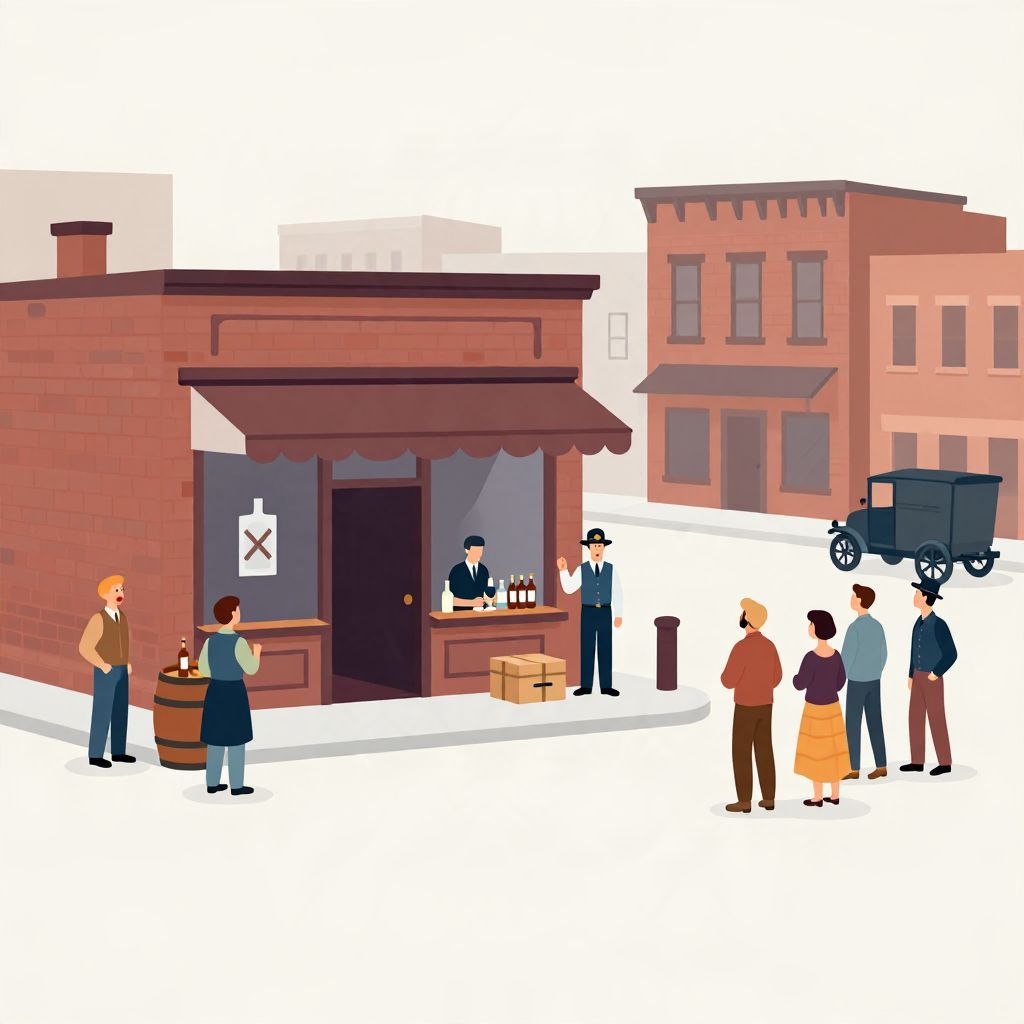
The 18th Amendment to the U.S. Constitution is the law that started national Prohibition. In simple terms, it made it illegal to manufacture, sell, or transport alcoholic drinks in the United States. It was ratified in 1919 and took effect in 1920, but it did not ban drinking itself.
Instead, the amendment targeted the alcohol trade, and it was later repealed in 1933 by the 21st Amendment. Its history helps explain how Americans tried to use constitutional power to shape everyday life.
What Is the 18th Amendment in Simple Terms?
The 18th Amendment was the constitutional ban on making, selling, and moving alcoholic beverages in the United States. It created Prohibition, a nationwide attempt to reduce drinking and the social problems many reformers linked to alcohol. It did not stop people from drinking entirely, but it made alcohol far harder to obtain legally.
Why Was the 18th Amendment Passed?
The amendment grew out of a long reform movement that had been building for decades before 1919. Supporters believed alcohol contributed to poverty, violence, family hardship, workplace accidents, and political corruption. Many religious and social reform groups saw banning alcohol as a way to improve public morals and strengthen society.
The temperance movement
Before the amendment, many Americans supported temperance, meaning moderation or abstinence from alcohol. Temperance advocates included churches, women’s reform organizations, and civic groups. They argued that alcohol was not just a private choice but a public problem that affected families and communities.
Wartime politics and reform pressure
World War I helped Prohibition gain momentum. Some reformers connected beer and liquor production with waste, grain shortages, and unpatriotic behavior. Anti-German sentiment also played a role because many breweries were owned by German Americans or used German-style beer culture. These pressures helped push the amendment through Congress and the states.
What Did the Amendment Actually Say?
The 18th Amendment did not spell out every detail of enforcement. It established the constitutional principle that alcohol-related production and trade would be prohibited, and it gave Congress and the states authority to enforce that ban. The practical rules came later through the Volstead Act, which defined what counted as an intoxicating beverage and set penalties for violations.
Ratification and enforcement
The amendment was proposed by Congress in 1917 and ratified by the states in 1919. Prohibition officially began in January 1920. From that point, the legal sale and production of alcoholic drinks became a federal offense, though enforcement varied widely across the country.
What Changed During Prohibition?
Prohibition changed American life in major ways, but not always in the way its supporters expected. Some people drank less, and certain public health and social trends may have improved in some places. But illegal drinking also expanded, and a large black market developed to meet demand.
Bootlegging and speakeasies
Because alcohol was still wanted by many Americans, illegal supply networks grew quickly. Smugglers, home distillers, and organized crime groups made profits from bootlegging. Cities saw the rise of speakeasies, hidden bars where alcohol was sold illegally. This made Prohibition difficult to enforce and often undermined respect for the law.
Uneven enforcement
Enforcement was inconsistent. Some communities supported the ban and tried to police it seriously, while others ignored it or found ways around it. Wealthier people often had more access to illegal alcohol, which led critics to argue that Prohibition was unfair and unrealistic.
Why Was the 18th Amendment Repealed?
By the early 1930s, many Americans had become disillusioned with Prohibition. The law had not eliminated drinking, and it had helped fuel crime, corruption, and disrespect for federal authority. The Great Depression also changed public opinion, because legal alcohol sales promised tax revenue and jobs at a time of severe economic crisis.
The 21st Amendment
In 1933, the 21st Amendment repealed the 18th Amendment. This was the first and only time a constitutional amendment has been repealed by another amendment. After repeal, states could still regulate alcohol, and many did so in different ways. The end of national Prohibition did not mean alcohol became completely unregulated, but it did restore legal alcohol production and sale at the federal level.
Why the 18th Amendment Matters in U.S. History
The 18th Amendment matters because it shows how far reformers were willing to go to reshape society through constitutional law. It is one of the clearest examples of the Progressive Era’s faith in government action, but it also reveals the limits of law when public behavior does not match legal ideals. The amendment’s failure shaped later debates about regulation, morality, and federal power.
Lessons from Prohibition
- Laws can change behavior, but not always completely.
- Public support matters. Broad legal bans are hard to enforce without lasting consent.
- Unintended consequences are common. Prohibition strengthened illegal markets and crime networks.
- Constitutional change can be reversed. The 21st Amendment ended what the 18th Amendment created.
Quick Timeline of the 18th Amendment
- Late 1800s to early 1900s: Temperance and anti-saloon reform movements grow.
- 1917: Congress proposes the 18th Amendment.
- 1919: States ratify the amendment.
- January 1920: National Prohibition begins.
- 1933: The 21st Amendment repeals Prohibition.
In Simple Terms, What Should You Remember?
The 18th Amendment was the U.S. law that made alcohol illegal to make, sell, or transport nationwide. It created Prohibition, a major social experiment meant to reduce drinking and improve American life. Instead, it produced widespread illegal alcohol trade and was eventually repealed. If you want to explore the broader world of American law and reform, you might also like reading about the Sugar Act and the Northwest Ordinance.