
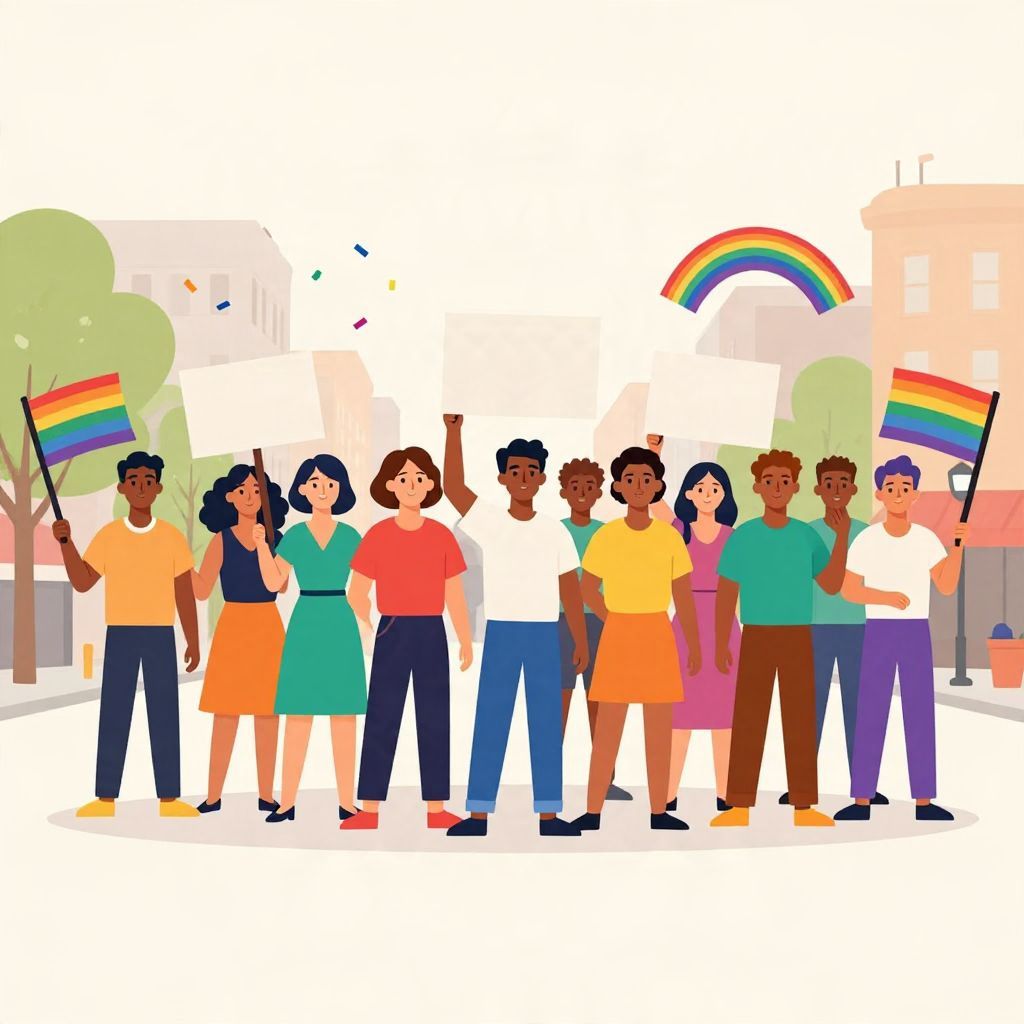
June Is Pride Month because it commemorates the modern LGBTQ+ rights movement, especially the Stonewall uprising of June 1969 in New York City. Over time, June became the symbolic month for remembrance, protest, and celebration, though the observance was shaped by activists, local events, and changing politics rather than a single official decision.
Its history is both specific and broader than one event: Pride Month reflects decades of organizing against discrimination, police harassment, and social stigma, while also marking the growing public visibility of lesbian, gay, bisexual, transgender, and queer communities.
Why is June Pride Month?
June became Pride Month because the Stonewall uprising began in late June 1969 and quickly became a turning point in the modern LGBTQ+ rights movement. The month was later chosen for commemorations, marches, and educational events that honored resistance, community, and the push for equal rights.
The origins of Pride Month
The modern observance of Pride Month grew out of the aftermath of Stonewall, a series of protests that began after a police raid on the Stonewall Inn in Greenwich Village, New York City, in the early hours of June 28, 1969. The uprising was not the first act of LGBTQ+ resistance, but it became a powerful symbol because it was public, sustained, and widely remembered.
What happened at Stonewall?
Police raids on gay bars were common in the mid-20th century United States. In many cities, LGBTQ+ people faced arrest, harassment, job loss, and violence. At Stonewall, patrons and neighborhood residents resisted the raid, and the confrontation escalated into several nights of protest. Historians generally agree that Stonewall did not “start” LGBTQ+ activism, but it accelerated a more visible and militant phase of organizing.
Why did Stonewall matter so much?
Stonewall mattered because it transformed a long struggle that had often been quiet, cautious, or hidden into a more public civil-rights movement. In the years that followed, activists founded new organizations, staged demonstrations, and demanded legal and social change. The event became a rallying point, especially for younger activists who wanted open resistance rather than accommodation.
How June became Pride Month: a timeline
The designation of June as Pride Month developed gradually. It was not created overnight, and different cities and organizations adopted the idea at different times. The timeline below shows how remembrance of Stonewall evolved into an annual month of Pride observance.
- June 1969: The Stonewall uprising takes place in New York City.
- June 1970: The first anniversary of Stonewall is marked by marches and demonstrations, including the Christopher Street Liberation Day march in New York.
- Early 1970s: Similar pride marches and liberation events spread to other U.S. cities.
- 1978: The rainbow flag, designed by Gilbert Baker, appears as a new symbol of LGBTQ+ pride and visibility.
- 1994: Activist and educator Rodney Wilson is widely credited with proposing “Pride Day” in schools in Missouri, helping popularize June as a commemorative month in educational settings.
- 1999: President Bill Clinton officially recognizes June as Gay and Lesbian Pride Month in the United States.
- 2009: President Barack Obama broadens the federal recognition to Lesbian, Gay, Bisexual, and Transgender Pride Month.
- 2010s–present: Pride Month becomes widely observed by governments, schools, museums, corporations, and community groups, though the meaning and politics of the month remain debated.
Was June always the obvious choice?
No. June became the most widely recognized month because of Stonewall, but Pride observances also grew from local traditions, activism, and the calendar of major marches. The choice of June was historically convenient because it linked annual remembrance to the exact dates of the uprising, giving the movement a powerful and recurring moment of collective memory.
From “Gay Pride” to “Pride Month”
Early commemorations were often called Gay Pride marches or Gay Liberation events. As the movement expanded, language changed to reflect broader identities and goals. “Pride” emphasized dignity and self-acceptance in response to shame and exclusion, while “month” signaled a longer period for education, remembrance, and public events rather than a single parade.
Historical significance of Pride Month
Pride Month is historically significant because it marks a shift from secrecy and marginalization toward public activism and identity-based politics. It helped make LGBTQ+ history visible in mainstream culture, while also reminding people that rights were won through organizing, protest, and persistent pressure on institutions.
Visibility and memory
For much of history, same-sex relationships and gender nonconformity were hidden, criminalized, or described only through hostile language. Pride Month challenges that silence by creating space to remember earlier generations, especially those who faced arrest, violence, or discrimination. It also preserves the memory of activists, many of whom were excluded from official histories for decades.
Political and legal change
The rise of Pride Month parallels major legal and political changes in the late 20th and early 21st centuries. These include anti-discrimination campaigns, debates over military service, the fight against the AIDS crisis, and the gradual expansion of marriage equality and transgender rights. Pride Month does not represent the end of those struggles; rather, it reflects the ongoing nature of them.
International influence
Although Pride Month is especially associated with the United States, the idea spread internationally. Different countries and cities developed their own Pride events, often with local histories and political conditions. In some places, Pride is a celebratory festival; in others, it remains a protest against legal repression or social hostility. The month’s global reach shows how a local event in New York became part of a wider human-rights movement.
Common misunderstandings about Pride Month
Because Pride Month is now widely recognized, it is easy to assume it has always been official, uniform, or purely celebratory. In fact, its history is more complicated. It emerged from activism, not marketing; from resistance, not consensus; and from the specific conditions of the late 1960s and 1970s.
- It was not created all at once. Pride Month developed over decades through grassroots activism and later official recognition.
- It is not only about celebration. Pride also remembers protest, loss, and unfinished struggles for equality.
- Stonewall was important, but not the beginning. Earlier LGBTQ+ organizing existed in the United States and elsewhere before 1969.
- June was chosen for history, not symbolism alone. The month connects directly to the Stonewall uprising’s anniversary.
The lasting legacy of June Pride observances
Today, June Pride Month serves several historical functions at once. It is a memorial to the Stonewall uprising, a celebration of LGBTQ+ identity and community, and a public reminder of the long struggle for civil rights. Its meaning continues to evolve as new generations reinterpret what pride, equality, and inclusion should look like.
In historical terms, June Is Pride Month because memory became movement: a June uprising in 1969 grew into a recurring month of activism, education, and visibility. To understand Pride Month fully, it helps to see it not as a fixed tradition, but as a living historical practice shaped by protest, politics, and community. For related reading, see when Pride Month was established and the broader history of “separate is never equal”.