
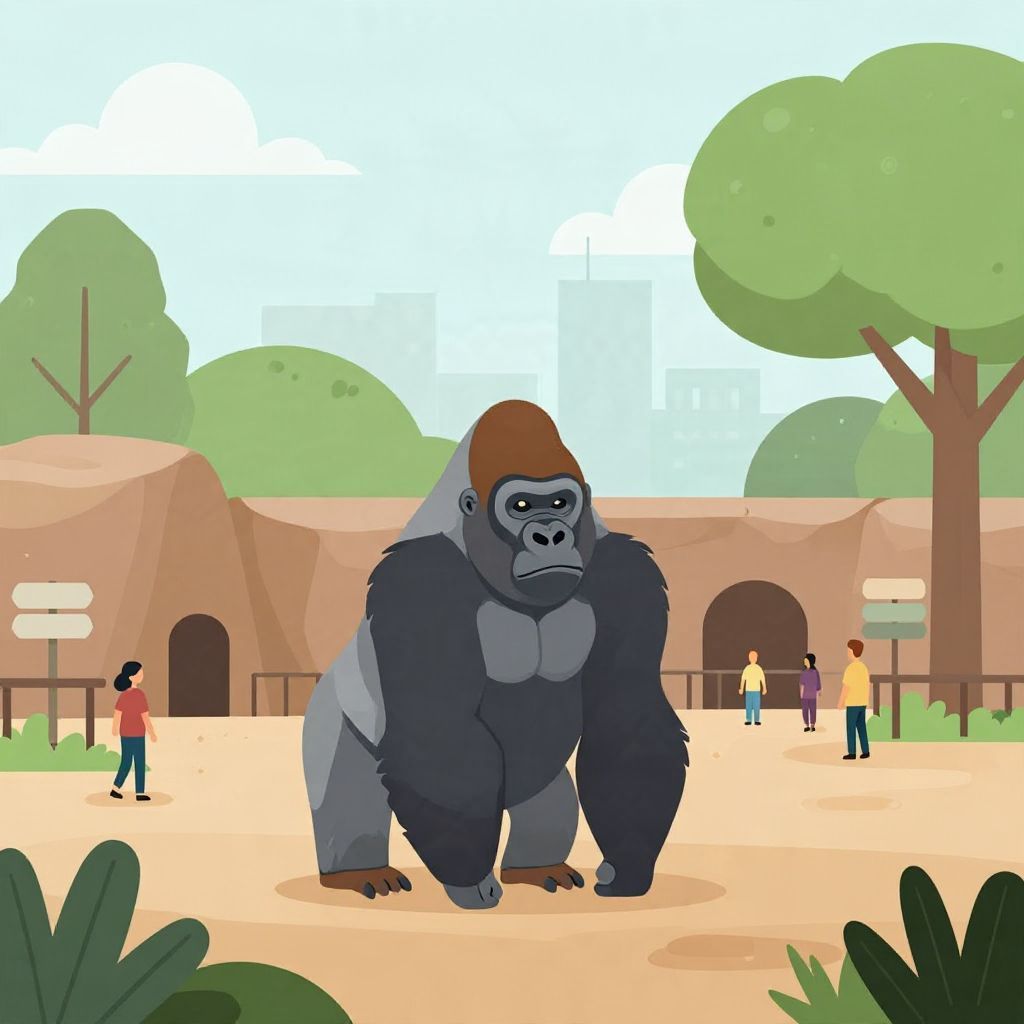
When was Harambe killed? Harambe, the western lowland gorilla at the Cincinnati Zoo, was killed on May 28, 2016. The event became an international news story within hours and quickly turned into a broader public debate about zoo safety, animal welfare, and how viral internet culture can reshape a tragedy.
To answer the question precisely, it happened in late May 2016, during a weekend visit to the zoo. The incident was brief, but the reaction to it lasted for years, making Harambe one of the most widely remembered animals in modern internet history.
When Was Harambe Killed?
Harambe was killed on May 28, 2016, at the Cincinnati Zoo and Botanical Garden in Ohio. The gorilla was shot by zoo staff after a young child entered the enclosure. Zoo officials said they believed the child was in immediate danger, and the decision was made in a matter of minutes.
What Happened on May 28, 2016?
On that Saturday, a three-year-old boy climbed through a barrier and fell into Harambe’s enclosure in the gorilla habitat. Video from the scene showed the gorilla moving around the child, and the situation was quickly treated as an emergency. After assessing the risk, zoo personnel shot Harambe to protect the child.
The child survived the incident. Harambe, however, died from the gunshot wound. The zoo later explained that tranquilizers were not considered a safe immediate option because they would not act quickly enough in a life-threatening situation.
Why did the zoo make that decision?
The central issue was speed. A large silverback gorilla can be extremely strong, and even a non-aggressive movement could seriously injure a child. Zoo officials said they had to act before the situation could escalate. In the public discussion that followed, many people debated whether the response was necessary, but the zoo maintained that it was the safest choice available at that moment.
Timeline of the Harambe Incident
The event unfolded quickly, and the main sequence is important for understanding why it became so controversial.
- May 28, 2016: A child enters Harambe’s enclosure at the Cincinnati Zoo.
- Minutes later: Harambe interacts with the child while zoo staff and bystanders respond.
- Zoo officials intervene: Staff decide that the child is in immediate danger.
- Harambe is shot and killed: The zoo ends the situation by using lethal force.
- Aftermath: The incident spreads rapidly across news outlets and social media.
Who Was Harambe?
Harambe was a western lowland gorilla, a critically endangered subspecies native to Central Africa. He was born in captivity in 1999 and lived at the Cincinnati Zoo. By 2016, he was a well-known attraction and an important part of the zoo’s gorilla program.
His name came from the Swahili word harambee, often translated as “pull together” or “all together.” That name later took on a symbolic meaning in online discussions, though the original animal had no connection to politics or activism.
Why did Harambe become so famous?
Harambe became famous because the incident was recorded and shared widely online at a moment when social media could turn a local event into a global phenomenon almost instantly. News coverage, commentary, jokes, and arguments spread together, and Harambe quickly became a meme, a symbol, and a subject of intense public debate.
Historical Context: Zoos, Conservation, and Public Debate
The Harambe incident happened during a period when zoos were already under scrutiny. Modern zoos often present themselves as conservation institutions, helping protect endangered species and educate the public. At the same time, critics question whether captivity can ever fully meet the needs of large, intelligent animals like gorillas.
Harambe’s death sharpened that debate. Supporters of the zoo argued that staff had to make a split-second decision to save a child. Critics argued that enclosure design, barriers, and safety planning should have prevented the incident in the first place. Both views became part of the public conversation.
Was this a historical turning point?
Not in the traditional sense of a political revolution or war, but yes in cultural terms. The incident became a landmark example of how quickly a tragedy can become a global media event. It also influenced later discussions about zoo safety, animal rights, and the ethics of viral internet culture.
Why the Incident Still Matters
Harambe’s death remains widely remembered because it sits at the intersection of several modern historical themes: child safety, animal conservation, media sensationalism, and online culture. Few single events involving an animal have generated so much discussion, parody, and reflection.
In the years after 2016, Harambe became more than an individual gorilla. He became a symbol people used in very different ways—some serious, some satirical, and some deeply insensitive. That transformation says as much about the internet age as it does about the zoo incident itself.
How did the public react?
Reaction was immediate and divided. Many people expressed grief and anger, while others focused on whether the zoo had acted correctly. As the story spread, online humor and memes emerged, which frustrated people who saw the event as a tragedy. The contrast between mourning and mockery became part of Harambe’s lasting legacy.
Historical Facts About Harambe’s Death
- Date: May 28, 2016
- Place: Cincinnati Zoo and Botanical Garden, Ohio, United States
- Animal: Harambe, a western lowland gorilla
- Cause of death: Gunshot by zoo staff during an emergency response
- Immediate reason: A child had entered the enclosure and was perceived to be in danger
- Public impact: Major international media coverage and long-lasting internet meme culture
What Happened Afterward?
After the incident, the Cincinnati Zoo defended its decision and reviewed the circumstances surrounding the enclosure. The case also prompted broader discussion about safety barriers, visitor responsibility, and how zoos should respond when humans enter dangerous animal enclosures.
For many people, the event was remembered not only as a tragedy but also as a warning about the risks of public spaces where humans and large animals are separated by thin layers of architecture, policy, and split-second judgment.
Conclusion
Harambe was killed on May 28, 2016, at the Cincinnati Zoo after a child entered his enclosure. The incident was brief, but its consequences were long-lasting, shaping debates about zoo safety, animal welfare, and internet culture. For more context on the year itself, see what happened in 2016 and the wider developments that followed in what happened in 2017.