
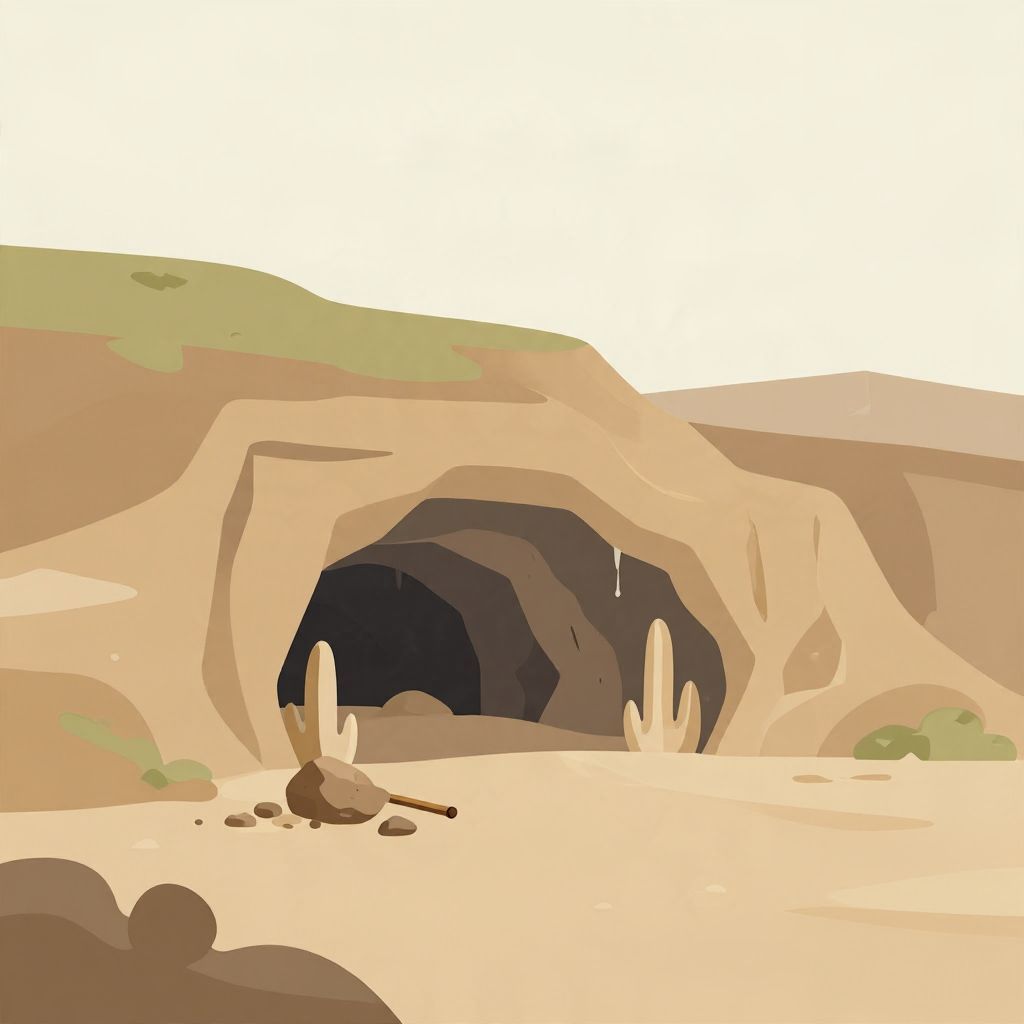
How did Lerakuty Cave form, and why does its origin matter? The short answer is that it formed through long-term natural processes, most likely the slow dissolution of limestone by groundwater, followed by erosion, collapse, and the continued reshaping of the cave system over time.
Because caves are geological rather than human creations, their “history” is written in rock, water, and time. Lerakuty Cave’s formation belongs to a much longer landscape story: ancient sediment laid down, uplifted, fractured, and then carved by circulating water into underground passages and chambers.
How Lerakuty Cave Formed
Lerakuty Cave most likely formed as a karst cave, meaning a cave created when slightly acidic groundwater gradually dissolved soluble rock, especially limestone. Over thousands to millions of years, water widened cracks into passages, sometimes causing ceilings to collapse and chambers to expand. The exact timing is not precisely known, but the process is consistent with standard cave formation in karst terrain.
The basic geological process
Cave formation usually begins when rainwater absorbs carbon dioxide from the air and soil, becoming weakly acidic. As this water seeps underground, it dissolves calcium carbonate in limestone along joints, faults, and bedding planes. Tiny openings enlarge into channels, then tunnels, and eventually larger cave spaces. In many caves, this process is helped by underground streams that keep water moving and eroding the rock.
Why limestone matters
Not every rock can form a cave in the same way. Limestone is especially vulnerable because it dissolves relatively easily in acidic water. If Lerakuty Cave is part of a limestone landscape, that would explain its underground voids, irregular surfaces, and the possibility of stalactites, stalagmites, or flowstone. These features form later, when mineral-rich water drips through the cave and deposits calcite.
The likely timeline of formation
The exact age of Lerakuty Cave is not firmly established in the public historical record, so it is best understood as part of a long geological timeline rather than a precisely dated event. Like many caves, it probably developed in stages: first as small fractures, then as active water channels, and later as a more stable cave system after changes in drainage or climate reduced water flow.
1. Ancient rock layers were deposited
Long before the cave existed, the rock itself had to form. In limestone regions, this usually began with marine sediments accumulating on an ancient seabed. Over geologic time, those sediments hardened into rock. Later tectonic forces uplifted and fractured the rock, creating pathways for groundwater to enter.
2. Water began to exploit cracks
Once rainwater and groundwater started moving through the rock, they followed the easiest routes. Small fractures widened first. This stage can last an extremely long time, and the cave may have developed slowly enough that no single moment of “creation” can be identified.
3. Underground passages expanded
As dissolution continued, the cave passages grew larger. In many karst systems, underground rivers or seasonal water flow help carve out broader chambers. If roof sections weakened, parts of the cave may have collapsed, changing the shape of the interior and creating new openings or sinkholes at the surface.
4. The cave entered a quieter phase
When surface drainage changed, the cave may have become less active. At that point, mineral deposits could begin forming more visibly inside the cave. Dripstone features often indicate that water is still moving through the system, but more slowly than during the cave’s main erosional phase.
What kind of evidence helps explain its origin?
For a cave like Lerakuty, geologists usually rely on rock type, underground morphology, mineral deposits, and the surrounding landscape rather than written records. The cave’s shape can reveal whether water once flowed through it, whether it formed along faults or bedding planes, and whether collapse played a major role in enlarging its chambers.
Common clues geologists look for
- Rock composition: limestone, dolomite, or other soluble rock indicates karst formation.
- Passage shape: rounded tunnels often suggest water flow, while angular breakdown suggests collapse.
- Speleothems: stalactites, stalagmites, and flowstone show long periods of mineral deposition.
- Surface features: sinkholes, disappearing streams, and dry valleys often accompany cave systems.
- Sediment layers: cave floor deposits can preserve evidence of past floods or climate shifts.
Historical significance of Lerakuty Cave
Lerakuty Cave matters historically because caves are more than geological curiosities. They often preserve environmental history, archaeological traces, and evidence of how people used the landscape. Even when a cave’s formation is purely natural, its later human history can make it culturally important.
Caves as archives of the past
Caves can preserve pollen, animal bones, charcoal, tools, and sediment layers that help researchers reconstruct ancient climates and human activity. If Lerakuty Cave has been studied archaeologically, its value would lie not only in how it formed, but in what it may reveal about local settlement, ritual use, shelter, or resource gathering.
Why formation affects human use
The way a cave formed influences whether it was accessible, dry, stable, or dangerous. A cave with a broad entrance and relatively dry chambers might have been suitable for shelter or storage. A cave shaped by active water flow or unstable collapse would have been less hospitable. In this sense, geology shaped the later human history of the site.
Myths, local stories, and scientific explanation
Many caves accumulate legends about hidden treasures, spirits, or dramatic origins. Those stories are part of cultural history, but they should not be confused with geological evidence. Unless there is documented folklore specifically tied to Lerakuty Cave, the safest historical approach is to distinguish local tradition from the scientific explanation of cave formation.
Why cave legends are common
Caves naturally invite storytelling. Their darkness, unusual acoustics, and hidden entrances made them powerful places in many societies. Folklore often explains caves as the work of giants, saints, dragons, or supernatural forces. These stories are historically meaningful, but they do not replace geological analysis of how the cave actually formed.
How to understand Lerakuty Cave in the wider history of landscapes
Lerakuty Cave is best understood as the product of deep time. Its formation reflects the interaction of rock, water, climate, and tectonic change. In that sense, the cave is part of a broader geological history that predates human memory and even most written history by an enormous margin.
Its significance is twofold: first, as a natural record of karst processes; second, as a place that may later have mattered to people living nearby. Whether used for shelter, exploration, or local tradition, the cave’s human story depends on the geological story that made it possible.
Concise takeaway
Lerakuty Cave formed through slow natural cave-making processes, most likely the dissolution of limestone by groundwater, followed by erosion and possible collapse over a very long period. Its historical importance lies not in a single founding moment, but in the way geological change created a landscape that later humans could encounter, use, and remember. For readers interested in the broader natural history behind such places, see How did Earth get its name?