
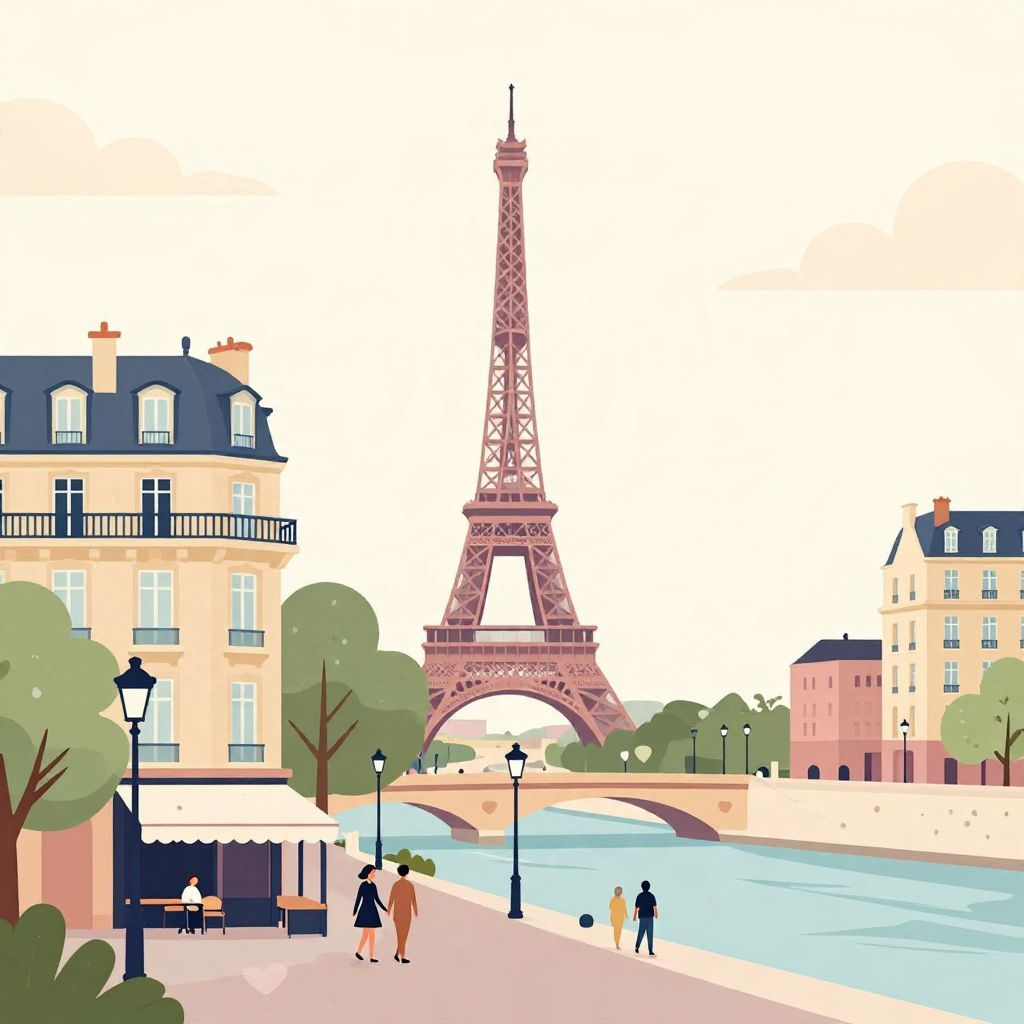
What is the city of love? In most modern usage, it is Paris, France. The phrase is not an ancient official title, but a popular cultural nickname that grew from Paris’s long association with romance, art, elegant public spaces, and literary imagination.
Its meaning has changed over time. Paris became “the city of love” through a mix of history, tourism, fashion, architecture, and storytelling, rather than because of one single event or decree.
What Is the City of Love?
The city most commonly called the “City of Love” is Paris. The nickname reflects Paris’s reputation for romance, beauty, and cultural sophistication, especially from the 19th century onward. It is not an official historical title, but a widely accepted cultural label shaped by literature, art, and tourism.
Why Paris Became Known as the City of Love
Paris earned this reputation gradually. Its wide boulevards, river views, cafés, gardens, bridges, and monuments created an urban setting that visitors associated with intimacy and elegance. Over time, writers, painters, filmmakers, and travel promoters reinforced the idea that Paris was a place for romance.
The role of urban beauty
Paris’s physical landscape mattered. The Seine, historic neighborhoods, and carefully designed public spaces made the city visually distinctive. In the 19th century, major rebuilding projects under Baron Haussmann gave Paris broad avenues and grand vistas that helped define the modern image of the city.
Literature and art
French and foreign writers often portrayed Paris as a city of emotion, desire, and artistic freedom. Painters and later filmmakers also helped spread this image. Romantic scenes set in Paris became a familiar cultural formula, especially in Europe and North America.
Tourism and reputation
As travel became more accessible in the 19th and 20th centuries, Paris developed into a major destination for visitors seeking culture, style, and leisure. Tourism did not create the romantic image from nothing, but it amplified it. The more people visited Paris expecting romance, the more the nickname stuck.
The Historical Origins of Paris’s Romantic Image
The idea of Paris as a romantic city developed over centuries, but it became especially strong in the 1800s. This was the era when modern tourism, café culture, department stores, and public parks transformed the city into a place where urban life itself could be seen as elegant and emotionally charged.
Medieval and early modern Paris
Paris was already important long before it was called the city of love. By the Middle Ages, it was one of Europe’s major centers of learning, religion, and royal power. The University of Paris, founded in the 12th century, drew scholars from across Europe. The city’s prestige gave it cultural weight that later fed its romantic reputation.
From royal capital to cultural capital
As the French monarchy strengthened, Paris became the political heart of France. Royal patronage encouraged architecture, ceremony, and artistic production. Even after the monarchy’s power changed dramatically during the French Revolution and later regimes, Paris remained the country’s cultural capital. That continuity helped the city become a symbol of French identity itself.
The 19th-century transformation
The 1800s were decisive. Industrialization, rail travel, and urban modernization brought more people into Paris and made it more visible to outsiders. The city’s cafés, theaters, bookshops, and promenades became part of a new urban lifestyle. For many visitors, Paris seemed to combine sophistication with emotional possibility.
Is “City of Love” an Official Historical Title?
No. “City of Love” is a nickname, not an official designation. It is best understood as a cultural reputation that developed through repeated use in travel writing, popular media, and everyday speech. Like many famous city nicknames, it reflects perception as much as historical fact.
Nicknames and historical identity
Cities often acquire labels that summarize how they are imagined: “Eternal City,” “Big Apple,” or “City of Light.” These names can reveal as much about outsiders’ expectations as about the city itself. Paris’s romantic nickname is part of that tradition.
Not everyone experiences Paris the same way
It is important not to treat the label as universal truth. Paris has also been a place of labor, politics, inequality, protest, war, and hardship. The romantic image is real as a cultural phenomenon, but it represents only one aspect of a complex historical city.
How Paris Became Linked to Romance in Popular Culture
The city’s romantic identity was strengthened by repeated cultural storytelling. By the late 19th and early 20th centuries, Paris appeared in novels, songs, paintings, and later films as a setting for love affairs, artistic discovery, and personal transformation.
Artists and bohemian life
Paris attracted artists from France and abroad, especially in neighborhoods such as Montmartre and Montparnasse. The image of the bohemian artist living among cafés and studios contributed to the idea that Paris was a place where ordinary rules loosened and emotion mattered more.
Film and the global imagination
In the 20th century, cinema spread the Paris romance far beyond France. Films frequently used the Eiffel Tower, the Seine, and Parisian streets as shorthand for love. These images shaped global expectations, making the city’s romantic identity even more powerful than its history alone would suggest.
Fashion and elegance
Paris also became associated with style, luxury, and refinement. Fashion houses, perfume, and haute couture helped the city symbolize beauty and attraction. Romance and elegance blended together, reinforcing the sense that Paris was a place where love belonged.
What Makes Paris Different from Other Romantic Cities?
Many cities are described as romantic, but Paris stands out because its image is unusually strong and enduring. The city combines historical depth, iconic landmarks, and a long tradition of artistic representation. Few places have been so consistently linked to romance across so many forms of culture.
Iconic landmarks
Landmarks such as the Eiffel Tower, Notre-Dame, the Louvre, and the bridges over the Seine are not just tourist sites. They are visual symbols that help turn the city into a stage for memory and emotion. Their presence in postcards, films, and advertisements has made Paris instantly recognizable worldwide.
Walkability and public life
Paris is also a city that invites walking, lingering, and conversation. Sidewalk cafés, gardens, and riverbanks create spaces where public life feels personal. That quality matters historically because romance is often tied to settings where people can see, meet, and observe one another in everyday life.
Language and symbolism
French itself has long carried associations with elegance and love in global culture. The language, combined with Paris’s prestige, helped the city become a symbol of refined feeling. The nickname “City of Love” therefore reflects both place and language, history and imagination.
Common Misunderstandings About the City of Love
Because the nickname is so famous, it is easy to oversimplify it. A careful historical answer should separate popular belief from documented history.
- It is not an ancient title. The phrase developed gradually in modern times, especially as tourism and popular culture expanded.
- It is not only about romance between couples. The nickname also reflects artistic passion, beauty, and emotional atmosphere.
- It does not erase the city’s broader history. Paris has also been a center of revolution, empire, class conflict, and political change.
- It is culturally powerful, not historically exclusive. Other cities may be romantic in different ways, but Paris became the most famous example.
Paris in the Larger History of France
To understand why Paris became the city of love, it helps to see its place in French history. Paris was not just a backdrop for romance; it was the capital of a state that shaped European politics, culture, and taste for centuries. The city’s prestige came from power as much as from charm.
Political centralization
French kings concentrated authority in and around Paris, making it the administrative heart of the kingdom. That concentration drew wealth, talent, and institutions into the city. A capital with such long-standing importance naturally became a symbol of national identity.
Revolution and reinvention
The French Revolution of 1789 and the upheavals that followed transformed Paris politically, but they also made the city even more famous. Revolutionary events gave Paris a dramatic historical aura. In later decades, that aura blended with romance, creating a city seen as both passionate and influential.
Modern identity
By the 20th century, Paris represented both heritage and modernity. It was a city of museums and monuments, but also of cafés, fashion, and intellectual life. This combination helped the romantic nickname endure, because the city seemed timeless while still changing with the age.
So, What Is the City of Love?
Historically speaking, the “City of Love” is Paris, a nickname built over centuries through architecture, literature, art, tourism, and global popular culture. It is a cultural identity rather than a formal title, and it reflects how people have imagined Paris more than any single historical event.
In that sense, the phrase tells us as much about modern ideas of romance as it does about the city itself. If you want to explore related history topics, you may also enjoy reading about what a château is and the broader historical context of France’s fall to the Nazis.