
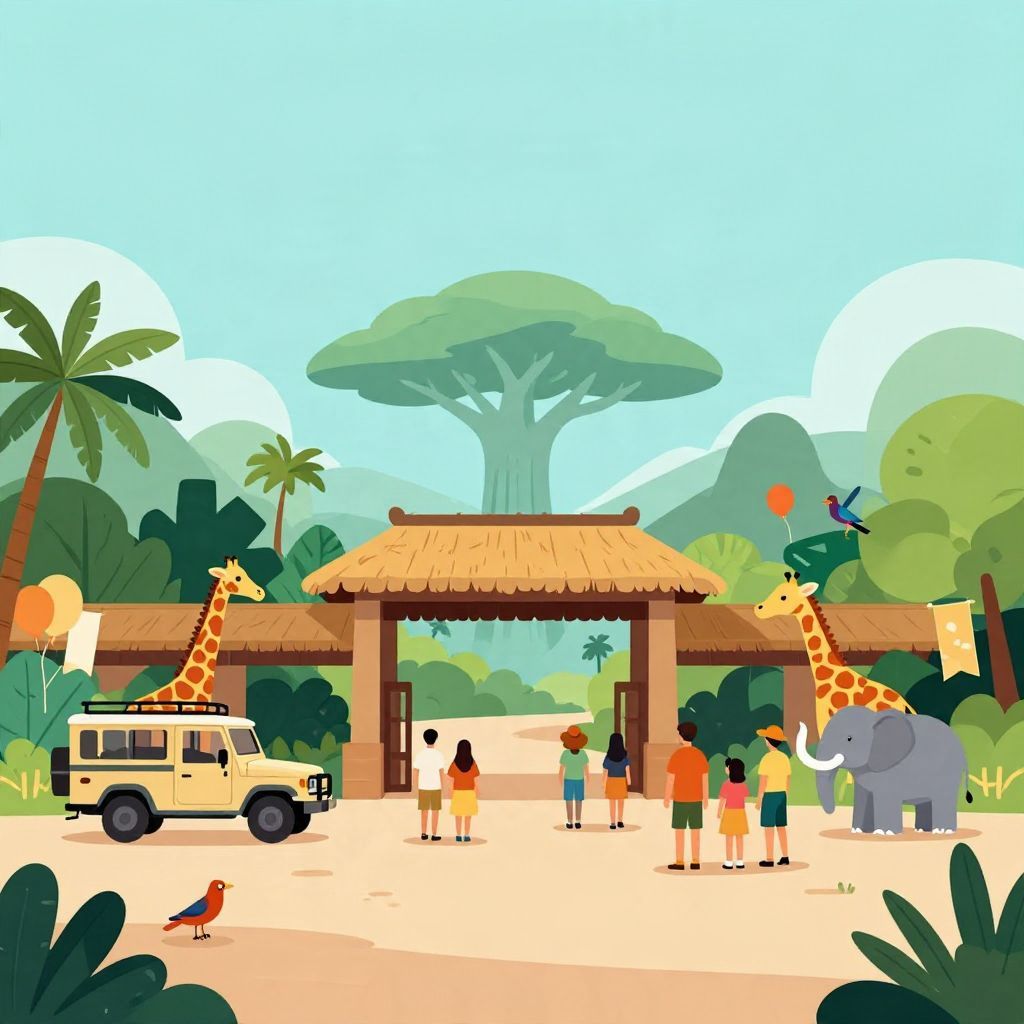
When did Animal Kingdom open? Disney’s Animal Kingdom officially opened on April 22, 1998, at Walt Disney World Resort in Lake Buena Vista, Florida. The date was chosen to align with Earth Day, reflecting the park’s emphasis on animals, conservation, and nature-themed storytelling.
Unlike Disney’s earlier parks, Animal Kingdom combined a traditional theme park experience with a strong environmental message. Its opening marked a major expansion of Walt Disney World and introduced a new kind of Disney park centered on wildlife, immersive lands, and conservation education.
When Did Animal Kingdom Open?
Disney’s Animal Kingdom opened on April 22, 1998. It debuted as the fourth theme park at Walt Disney World in Florida and was designed around animals, natural habitats, and global ecosystems. The opening day was intentionally tied to Earth Day, reinforcing the park’s identity as both entertainment venue and conservation-minded attraction.
Why April 22, 1998, Mattered
The opening date was not accidental. Earth Day gave the park a symbolic launch tied to environmental awareness, which fit the park’s mission and branding. Disney wanted Animal Kingdom to feel different from Magic Kingdom, EPCOT, and Disney-MGM Studios: less about fantasy or film, and more about the relationship between humans, animals, and the natural world.
This made the park unusual in the history of major theme parks. While it certainly offered rides and shows, it also featured live animals, carefully designed habitats, and educational themes. That combination shaped how the park was received and how it has developed ever since.
What Was Animal Kingdom Designed to Be?
Animal Kingdom was conceived as a theme park and zoological experience in one. Disney imagined a place where guests could enjoy attractions while also encountering real wildlife in settings that resembled natural environments. The park’s design emphasized immersion, with lands and pathways meant to suggest different regions of the world and different relationships between people and nature.
A park with two goals
- Entertainment: rides, shows, themed dining, and character experiences
- Conservation: education about animals, habitats, and environmental stewardship
- Immersion: detailed architecture, landscaping, and storytelling
This dual purpose helped distinguish Animal Kingdom from a standard zoo. It also distinguished it from other Disney parks, which generally focused on fantasy, future technology, or movie-based storytelling rather than live animal care.
The Timeline Leading to the Opening
Animal Kingdom did not appear overnight. Its development stretched across several years and reflected Disney’s broader strategy of expanding Walt Disney World with new kinds of experiences. The park’s opening came after extensive planning, construction, and animal habitat design.
Key milestones
- Early planning in the 1990s: Disney developed the concept for a park centered on animals and conservation.
- Construction phase: the site was built in central Florida, with major attention given to landscaping and animal habitats.
- April 22, 1998: Disney’s Animal Kingdom officially opened to the public.
The park’s opening was part of a larger era of growth at Walt Disney World. Disney had already established itself as a major resort destination, and Animal Kingdom added another layer to its appeal by blending theme park spectacle with real zoological elements.
How Animal Kingdom Fit into Disney History
By the late 20th century, Disney parks had become more than amusement destinations; they were carefully branded environments with distinct identities. Animal Kingdom represented a new direction. It showed that Disney was willing to build a park around a serious theme—wildlife conservation—rather than only fantasy or entertainment franchises.
The park also reflected broader cultural interests of the 1990s, when environmental awareness was increasingly visible in public life. The choice to open on Earth Day gave the park immediate symbolic weight, even if the park’s day-to-day function remained firmly commercial and recreational.
How it differed from earlier Disney parks
- Magic Kingdom: centered on fairy tales and classic Disney characters
- EPCOT: focused on innovation, international culture, and human achievement
- Disney-MGM Studios: built around film production and Hollywood-style entertainment
- Animal Kingdom: centered on animals, nature, and conservation
Historical Facts About the Opening
Several facts make the opening of Animal Kingdom historically notable. It was the first Disney park to give live animals such a central role in its identity, and it was one of the largest theme park projects of its era. The park opened with themed lands, animal exhibits, and attractions that would later become central to its reputation.
Important facts at a glance
- Official opening date: April 22, 1998
- Location: Walt Disney World Resort, Lake Buena Vista, Florida
- Position in Disney history: fourth theme park at Walt Disney World
- Theme: animals, conservation, and natural environments
- Symbolic opening day: Earth Day
These details matter because they explain why Animal Kingdom has always been more than just another Disney park. Its opening date, theme, and design were all connected in a deliberate way.
Why the Opening Was Significant
The opening of Animal Kingdom mattered for both Disney and the theme park industry. It expanded Walt Disney World’s footprint and introduced a model that mixed zoological care with themed entertainment. That model was ambitious, but it also came with challenges, including how to balance animal welfare, guest expectations, and the demands of a major tourist destination.
For Disney, the park strengthened the resort’s status as a multi-day destination. For visitors, it offered something different from the company’s other parks: a place where live animals and environmental storytelling were part of the experience, not just decoration.
Long-term significance
- Expanded Walt Disney World’s lineup of major attractions
- Introduced a conservation-focused theme park concept
- Helped define a new kind of immersive, nature-based entertainment
- Reinforced Disney’s ability to build parks around broad cultural themes
Animal Kingdom After Opening
After its 1998 debut, Animal Kingdom continued to evolve. Like other Disney parks, it changed over time through new attractions, updated lands, and shifting guest interests. Yet its original identity remained intact: a park where animals, storytelling, and environmental themes are closely linked.
Its later development shows that the opening was only the beginning. The park’s early success helped justify future investment, while its distinctive mission gave it a lasting place in Walt Disney World’s history.
Common Questions About the Opening
Was Animal Kingdom Disney’s first park with animals?
No. Disney parks had featured animals before, but Animal Kingdom was the first to make live animals and conservation the central focus of an entire park. That distinction is what made its opening historically important.
Why was Earth Day chosen?
Earth Day matched the park’s environmental theme and gave the opening a clear symbolic message. It linked the park to broader ideas about conservation, ecology, and respect for wildlife.
Is Animal Kingdom a zoo?
Not exactly. It includes animal habitats and zoological elements, but it is also a full theme park with rides, shows, and themed lands. It is best understood as a hybrid of theme park and animal-focused attraction.
Conclusion
Disney’s Animal Kingdom opened on April 22, 1998, and that date remains central to its identity. Chosen to coincide with Earth Day, the opening reflected Disney’s attempt to create a park that blended entertainment with conservation themes. For readers interested in Disney history, you can also explore when Disney World was built and related context in what happened in 2013.