
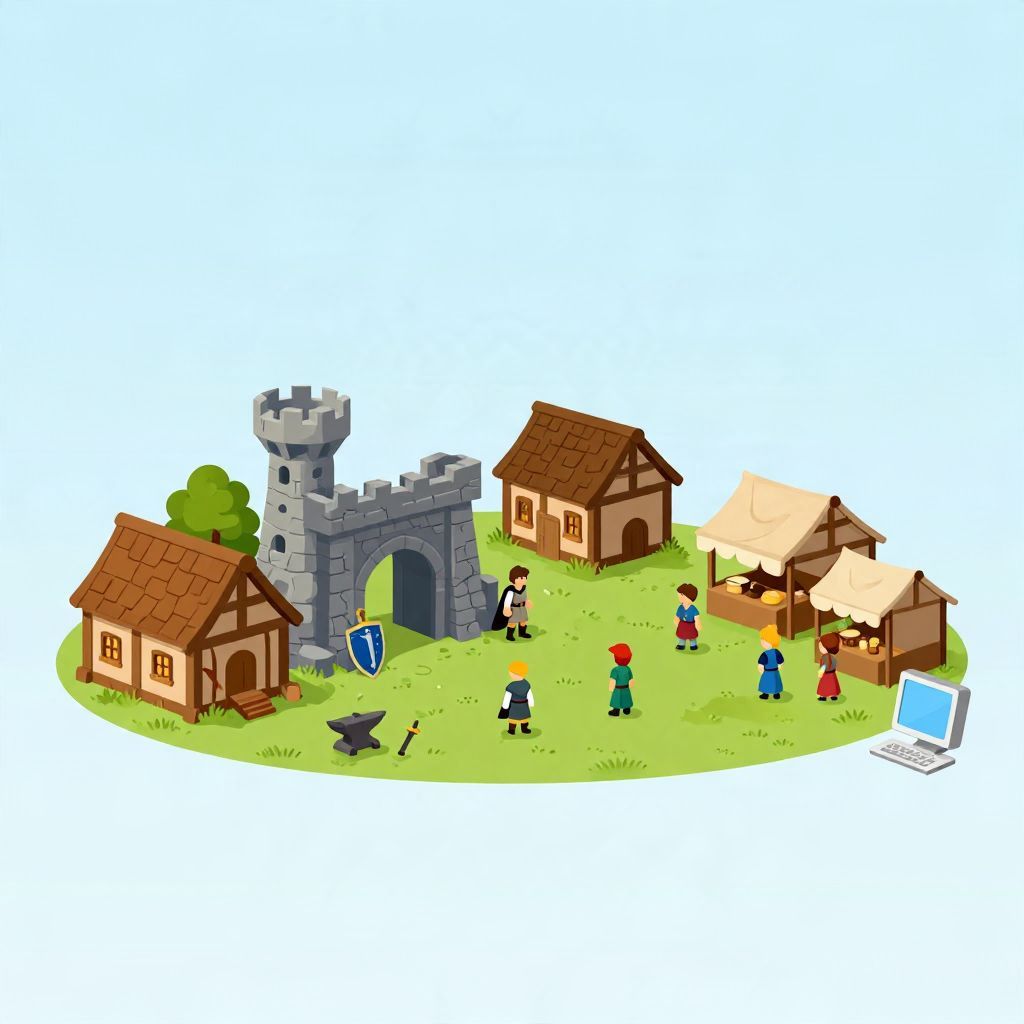
When did RuneScape come out? The short answer is that RuneScape first launched in January 2001 as a browser-based fantasy MMORPG created by Jagex. Its earliest public release is generally dated to 4 January 2001, when the game became available in an early form that would later evolve into one of the best-known online role-playing games of the 2000s.
Because RuneScape grew through frequent updates, players sometimes mean different things by “came out”: the first public version, the later commercial launch, or the modern game’s major relaunches. The timeline below explains the origin, development, and historical significance of the game’s release.
When did RuneScape come out?
RuneScape came out in January 2001, with its earliest public release commonly dated to 4 January 2001. It began as a simple browser-based multiplayer game built by brothers Andrew and Paul Gower, then expanded rapidly through updates, membership features, and a larger player community. In historical terms, that date marks the game’s first public appearance, not its final or most famous version.
The early history of RuneScape
RuneScape emerged during the early growth of internet gaming, when many players still relied on dial-up connections and web browsers rather than dedicated game clients. Its original version was modest by later standards, but it offered something important: persistent online play in a fantasy world that could be accessed without expensive hardware or a console.
From hobby project to online game
The game began as a project by the Gower brothers in the United Kingdom. Before RuneScape became a commercial success, it was developed in a small-scale, experimental environment typical of early internet software. That context matters: the game did not arrive as a polished blockbuster, but as a flexible online world that could be expanded over time.
Its design reflected the limitations and possibilities of the era. A browser-based format made it easy to access, while the game’s skill system, quests, and social features helped it stand out from many other early online titles. This combination made RuneScape especially appealing to players who wanted a long-term game they could return to regularly.
RuneScape release timeline
The history of RuneScape is best understood as a sequence of milestones rather than a single launch moment. The game changed significantly after its first release, and those changes shaped how players remember it today.
- 2001 — RuneScape first appears publicly, with the earliest release commonly dated to 4 January 2001.
- 2001–2002 — The game develops quickly through updates, helping establish its core fantasy world and gameplay systems.
- 2002 — Membership features are introduced, allowing the game to grow beyond its free-to-play foundation.
- 2004 — RuneScape 2 launches, marking a major technical and visual overhaul of the game.
- 2013 — The game later becomes known as Old School RuneScape through a separate branch based on an earlier version, while the main game continues evolving.
Why the exact date can be confusing
People sometimes give different answers because RuneScape has had multiple “birthdays” in a broad sense. The earliest public release was in January 2001, but later milestones—such as the launch of RuneScape 2, the introduction of membership, and the eventual split between modern RuneScape and Old School RuneScape—also matter to the game’s history.
So if you are asking when the game first appeared, the best answer is January 2001. If you are asking when the version many longtime players remember began, 2004 becomes especially important because that was when RuneScape 2 transformed the game’s look and structure.
What made RuneScape important in gaming history?
RuneScape matters historically because it helped define a generation of accessible online gaming. It was not the first MMORPG, but it was one of the most widely played browser-based fantasy worlds of its time. Its low barrier to entry allowed millions of players to try a persistent online game without specialized equipment.
A browser game with lasting reach
In the early 2000s, many online games required more technical setup than casual players wanted to manage. RuneScape’s browser access made it unusually convenient. That accessibility helped it spread through schools, homes, and internet cafes, especially among younger players and those with limited access to powerful computers.
Its long life also reflects a broader shift in gaming culture. Rather than disappearing after a brief commercial run, RuneScape kept changing. It adapted to new audiences, new technology, and new expectations about online communities. That flexibility is one reason it remains a recognizable name in video game history.
How RuneScape changed after launch
RuneScape’s release in 2001 was only the beginning. The game’s history is defined by continual revision, which means that “RuneScape” in one year could feel very different from “RuneScape” a few years later. This is common in online games, but RuneScape became one of the clearest examples of it.
Membership and expansion
One of the most important early developments was the introduction of membership. This allowed the developers to add more content and create a stronger business model. Free access remained important, but paid membership helped support the game’s growth and gave players a larger world to explore.
As the game expanded, it added quests, skills, minigames, and new regions. The result was not just a larger game, but a more complex one. Players could specialize in different activities, build characters over time, and participate in an economy shaped by other players.
RuneScape 2 and the changing identity of the game
The 2004 release of RuneScape 2 was a major turning point. It updated the game’s engine and presentation, and many players see it as the moment RuneScape became the version most people remember from the mid-2000s. This change also shows how difficult it can be to pin down one “true” release date for a live online game.
Unlike a single-player title that is frozen at launch, RuneScape evolved continuously. Its identity was shaped by updates, community feedback, and the technical limits of web-based gaming. That living quality is part of why its history is still discussed today.
RuneScape and the rise of online communities
RuneScape was more than a game; it was also a social space. Players traded items, formed clans, completed quests together, and spent long periods in the same world. In historical terms, it belongs to the early era of online communities that blended entertainment, identity, and social interaction.
For many players, RuneScape was one of their first experiences with a persistent digital world. The game encouraged routine, cooperation, and long-term goals. That made it different from many arcade-style or session-based games of the same period.
Why players still ask “when did RuneScape come out?”
The question remains popular because RuneScape has such a long and layered history. New players often want the original release date, while longtime fans may mean the start of a particular era. The game’s longevity has turned its launch date into a point of reference for broader gaming memory.
It also helps explain the game’s place in internet culture. A title that began in 2001 and continued evolving for decades can feel both old and current at the same time. That unusual continuity is part of RuneScape’s appeal and historical significance.
Key facts about RuneScape’s release
- Original release: January 2001
- Commonly cited launch date: 4 January 2001
- Creators: Andrew Gower and Paul Gower
- Genre: MMORPG, originally browser-based
- Major early milestone: membership introduced in 2002
- Major overhaul: RuneScape 2 launched in 2004
So, when did RuneScape come out?
RuneScape came out in January 2001, with the earliest public release commonly identified as 4 January 2001. That is the best answer if you want the game’s original launch date. If you are thinking of the version that made RuneScape famous, the later 2004 overhaul is also a major historical turning point.
In the broader history of online gaming, RuneScape stands out because it launched early, grew steadily, and adapted for years without losing its identity. If you are interested in the history of online worlds and long-running games, you may also want to explore related articles on the history of MMORPGs and the rise of online gaming.