
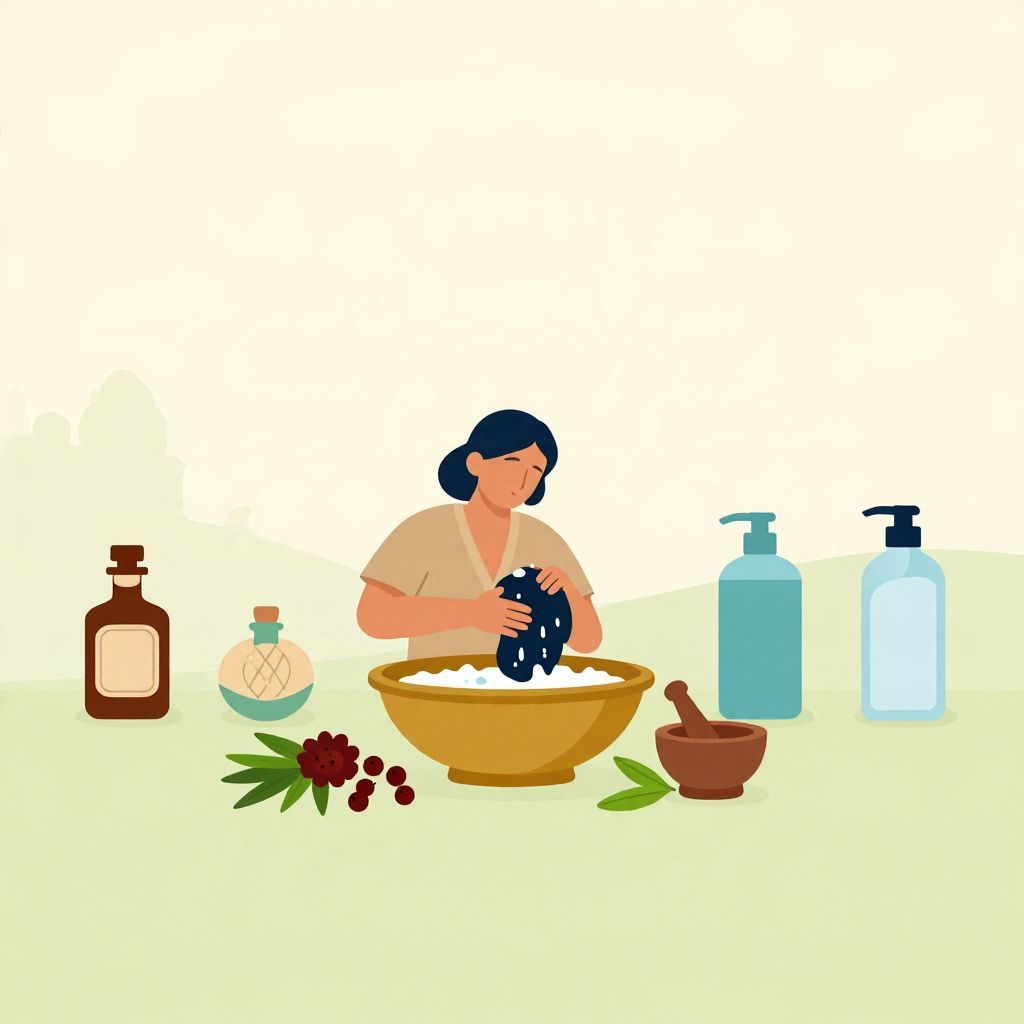
When was shampoo invented? The short answer is that shampoo as a hair-cleaning practice has ancient roots, but the modern word and product emerged much later. People in South Asia, the Middle East, and elsewhere used cleansing mixtures for hair for centuries before “shampoo” became an English term in the 18th century.
If you mean the commercial liquid shampoo sold in bottles today, that is a 19th- and 20th-century development. The history of shampoo is really a story of changing bathing habits, trade, chemistry, and the globalization of everyday hygiene.
When Was Shampoo Invented?
Shampoo was not invented on a single date. Hair-cleaning traditions existed in ancient and early modern societies, but the word “shampoo” entered English in the late 1700s from South Asian usage. The modern bottled shampoo we recognize today developed in the 19th and early 20th centuries, especially as soap-making and chemistry advanced.
The Early History of Hair Washing
Long before shampoo became a product name, people used natural substances to clean hair and scalp. Oils, plant extracts, ashes, clay, herbal infusions, and soaps made from fats were all used in different regions. These practices varied widely, but the basic goal was the same: remove dirt, grease, and odor from the hair.
Ancient and premodern cleansing traditions
In many ancient societies, washing the body and hair was tied to religion, status, and health. In South Asia, cleansing with scented and herbal mixtures was part of broader bathing culture. In the Islamic world, bathing and grooming traditions also encouraged regular washing, while in Europe hair care often relied on combing, powders, oils, and occasional soap.
It is important not to imagine shampoo as a single invention that appeared all at once. Instead, it evolved from older grooming habits. What changed over time was not only the ingredients, but also the language used to describe them and the commercial forms in which they were sold.
Where Does the Word “Shampoo” Come From?
The English word “shampoo” comes from South Asian languages, especially Hindi chāmpo, meaning “to press, knead, or massage.” In the 18th century, British travelers and colonists in India encountered head massage and cleansing practices and brought the term into English. At first, “shampoo” often referred to massage rather than soap in a bottle.
From massage to washing
Early English uses of the word did not always mean what it means today. A “shampoo” could be a massage treatment, sometimes with oils or medicinal substances. Over time, the word shifted toward the act of washing hair, and later to the product used for that purpose. This linguistic change reflects how colonial contact shaped English vocabulary.
The word’s journey is a reminder that inventions are not only objects; they can also be practices and names. Shampoo’s history crosses language, empire, and everyday life.
When Did Modern Shampoo Appear?
The modern shampoo industry began in the 19th century, when industrial manufacturing made it possible to produce standardized cleaning products. Early hair washes were often made from soap flakes, herbs, or powders mixed at home or sold by barbers and apothecaries. By the late 1800s and early 1900s, specialized hair-cleaning products became more common.
Key developments in the 19th century
- 1800s: Soap-based hair washes and “shampooing” services were used in Europe and North America.
- Late 1800s: Commercial hair tonics and cleansing preparations appeared in pharmacies and salons.
- Early 1900s: More refined liquid and powder shampoos entered the market as consumer packaging improved.
One reason shampoo changed so much in this period was chemistry. Soap alone can leave residue in hard water and may not suit every hair type. As chemists learned more about surfactants and emulsification, manufacturers could create products that cleaned hair more effectively and with a more pleasant texture.
The Rise of the Bottled Shampoo Industry
The shampoo we know today became widespread in the 20th century. As mass marketing expanded, companies promoted shampoo as a modern hygiene essential rather than a luxury or salon treatment. Advertising helped turn hair washing into a routine part of personal care for many households.
From salon service to household product
In the early decades of the 20th century, shampoo was still often associated with barbers, beauty salons, and professional grooming. But as household plumbing, indoor bathrooms, and consumer packaging improved, shampoo moved into homes. This shift made regular hair washing easier and more convenient.
By mid-century, shampoo had become a familiar consumer item in many countries. Brands competed on fragrance, lather, shine, dandruff control, and later on claims tailored to different hair types. The product’s success depended as much on advertising and distribution as on chemistry.
Was Shampoo Invented in One Place?
No single country can claim to have invented shampoo in the modern sense. Its history is shared across regions. South Asia contributed the word and important grooming traditions; Europe and North America transformed those ideas into a commercial product through industrial manufacturing, branding, and retail distribution.
A global history, not a single invention
This is why historians usually avoid giving one exact “inventor” of shampoo. The practice of washing hair is ancient, the English term is relatively recent, and the bottled product developed gradually. Different societies contributed ingredients, techniques, and meanings over time.
That broader view is more accurate than a simple invention story. Shampoo was not discovered in a laboratory one day and then instantly adopted everywhere. It emerged through centuries of cultural exchange and technological change.
How Shampoo Changed Over Time
Shampoo’s ingredients and purpose have changed dramatically. Early shampoos were often soap-based and could be harsh. Later formulas aimed to be milder, more foamy, better scented, and more suitable for frequent use. The rise of synthetic detergents in the 20th century was especially important.
Important shifts in shampoo history
- Traditional cleansing mixtures: Oils, herbs, and soaps used in premodern grooming.
- Massage-based “shampooing”: The term enters English through South Asian practice.
- Soap-based hair washes: Common in the 19th century.
- Commercial liquid shampoo: Widely sold in the 20th century.
- Specialized formulas: Products for dandruff, oily hair, color-treated hair, and sensitive scalps.
These changes reflect broader social history. As people bathed more often and expected cleaner, more manageable hair, manufacturers responded with new products. Shampoo history is therefore also a history of changing standards of cleanliness and beauty.
Why Shampoo Became So Popular
Shampoo became popular because it fit modern life. Urban homes with running water made regular washing practical. Mass advertising made hair care seem essential. And industrial chemistry made it possible to produce consistent, affordable, and easy-to-use products on a large scale.
There was also a cultural shift. In many societies, clean hair came to symbolize health, respectability, and self-discipline. Shampoo fit neatly into that modern ideal. What had once been a specialized or occasional grooming practice became a routine habit for millions of people.
Historical Facts and Common Misconceptions
Because shampoo is so ordinary today, its history is often simplified. A few clarifications help:
- Shampoo was not invented in ancient Egypt or classical Rome in the modern sense, though those societies did use hair-cleaning substances.
- The English word is relatively recent and entered the language through South Asian contact in the 18th century.
- The modern product is industrial, shaped by chemistry, packaging, and mass marketing.
- There is no single inventor universally credited with creating shampoo as a whole.
So if someone asks, “When was shampoo invented?” the most accurate answer is: the practice is ancient, the word became English in the late 1700s, and the modern commercial shampoo industry developed in the 19th and 20th centuries.
Conclusion
Shampoo’s history spans centuries rather than a single moment. Ancient cleansing traditions laid the groundwork, South Asian language gave English the word, and modern industry turned shampoo into a mass-market product. If you’re interested in other invention timelines, you may also enjoy when the violin was invented and when homework was invented.