
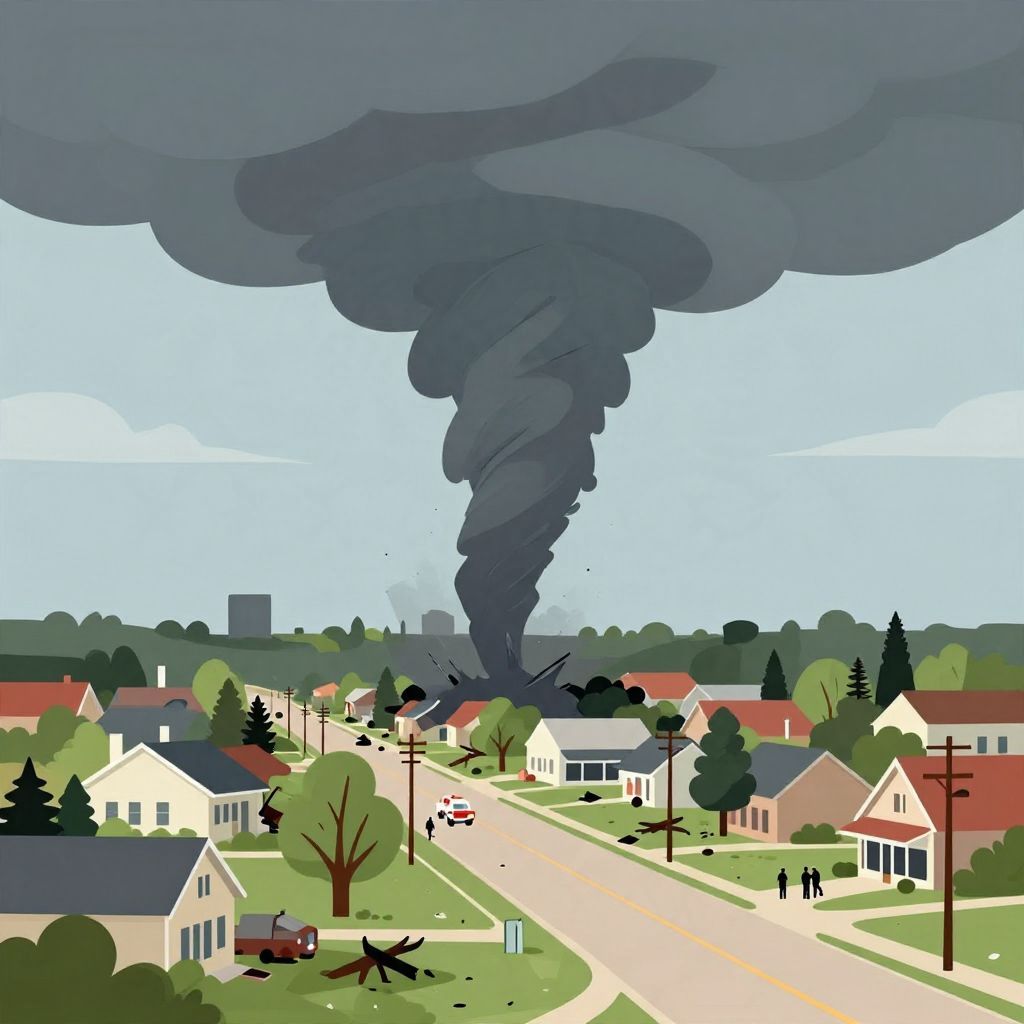
The Joplin tornado struck on May 22, 2011, in Joplin, Missouri, during the late afternoon and early evening. It was one of the deadliest tornadoes in modern U.S. history and became a defining disaster of the year 2011. If you are asking when it happened, the short answer is that the tornado hit Joplin on Sunday, May 22, 2011.
But the date only tells part of the story. The Joplin tornado was part of a larger severe weather outbreak in the central United States, and its impact reshaped how many people remember that spring storm season.
When Was the Joplin Tornado?
The Joplin tornado occurred on May 22, 2011, with the worst destruction unfolding in the early evening. It struck the city of Joplin, Missouri, after forming from a severe thunderstorm system in southwest Missouri. The tornado was rated EF5 on the Enhanced Fujita scale, the highest category, indicating catastrophic wind damage.
What Happened on May 22, 2011?
On that Sunday, severe storms developed across the region and produced a violent tornado that moved directly through Joplin. The storm struck after many residents had already gone about their day, which made the timing especially dangerous. Because it hit a populated city, the tornado caused immense loss of life, widespread injuries, and extensive destruction to homes, businesses, schools, and hospitals.
The basic timeline
- Afternoon, May 22: Severe weather conditions intensified across southwest Missouri.
- Early evening: The tornado formed and moved toward Joplin.
- Shortly after 5:00 p.m. local time: The tornado entered the city and began causing catastrophic damage.
- Minutes later: Major damage spread across neighborhoods and commercial districts as the tornado tracked through the city.
- After passage: Emergency response, rescue operations, and recovery efforts began amid widespread devastation.
Why the Joplin Tornado Was So Destructive
The tornado was especially deadly because of a combination of strength, timing, and location. It was a powerful tornado that moved through a densely populated area, and it struck in the late afternoon when many people were still out and about. The city’s built environment meant that schools, hospitals, stores, and residential areas were all exposed to the storm’s path.
Key factors behind the disaster
- Intensity: The tornado reached EF5 strength, associated with the most extreme wind damage.
- Population exposure: It crossed through a city rather than a rural area.
- Timing: The storm hit on a Sunday evening, when people were active in the community.
- Path through the city: Its track cut through heavily developed sections of Joplin.
Historical Facts About the Joplin Tornado
The Joplin tornado is remembered not only for its date but also for its place in American disaster history. It became one of the deadliest single tornadoes recorded in the United States. The storm caused catastrophic damage across a broad swath of the city and led to major changes in emergency preparedness, building discussions, and public awareness of tornado risk.
Important historical facts
- Date: May 22, 2011
- Location: Joplin, Missouri
- Rating: EF5
- Time of impact: Late afternoon to early evening
- Historical significance: One of the deadliest tornadoes in modern U.S. history
The Human Cost and Immediate Aftermath
The tornado’s aftermath was devastating. Hundreds of people were killed or injured, and entire neighborhoods were heavily damaged or destroyed. The storm also caused major disruption to essential services, including medical care, transportation, communications, and electricity. In the days that followed, rescue workers, volunteers, and officials searched for survivors and helped stabilize the city.
What recovery looked like
Recovery after the Joplin tornado was not quick. The city had to clear debris, support displaced residents, rebuild infrastructure, and address long-term emotional and economic consequences. Schools, hospitals, churches, and businesses all faced difficult rebuilding decisions. Over time, Joplin became a case study in how communities recover after extreme natural disasters.
How the Tornado Fits into the Larger 2011 Tornado Season
The Joplin tornado was one of several major tornado events in 2011, a year remembered for severe weather across the United States. That broader context matters because the Joplin disaster was not an isolated event; it was part of a season of dangerous storms that highlighted the continuing vulnerability of communities in Tornado Alley and beyond.
Why 2011 stands out
Severe weather outbreaks in 2011 drew national attention to tornado preparedness, warning systems, and construction standards. The Joplin tornado became one of the most widely discussed disasters of that year because of its scale, its urban impact, and the sheer speed with which it transformed a normal Sunday evening into a catastrophe.
Why People Still Search for the Date of the Joplin Tornado
Many people look up the Joplin tornado date because it is tied to memory, family history, school research, or an interest in major American disasters. The date May 22, 2011 is important because it anchors the event in time and helps place it within a broader historical timeline of weather disasters in the United States.
Common reasons the date matters
- To understand when the disaster occurred in relation to other 2011 events
- To research the storm’s historical impact on Missouri
- To compare it with other major tornadoes in U.S. history
- To study how emergency response and recovery unfolded afterward
Historical Significance of the Joplin Tornado
The Joplin tornado is historically significant because it showed how quickly a violent tornado can overwhelm a modern city. It also influenced public discussion about warning systems, shelter access, and community resilience. Beyond the immediate tragedy, it became part of the historical record of how Americans respond to and remember natural disasters.
In short, the Joplin tornado happened on May 22, 2011, and its legacy extends far beyond that single day. For readers interested in the broader context of that year, it can also be useful to explore what happened in 2011 and the events leading into that storm season, including what happened in 2010.