
The Oklahoma City bombing was one of the deadliest acts of domestic terrorism in United States history. If you are asking when it happened, the answer is precise: the bombing took place on April 19, 1995, at the Alfred P. Murrah Federal Building in downtown Oklahoma City, Oklahoma.
The attack killed 168 people, including children in the building’s daycare center, and injured hundreds more. Its timing, scale, and aftermath made it a defining event of the 1990s and a turning point in U.S. security and law enforcement history.
When Was the Oklahoma City Bombing?
The Oklahoma City bombing happened on April 19, 1995. A truck bomb exploded at 9:02 a.m. local time outside the Alfred P. Murrah Federal Building, destroying much of the structure and killing 168 people. The date is remembered not only for the attack itself, but also for the national shock and the long legal and political consequences that followed.
What Happened on April 19, 1995?
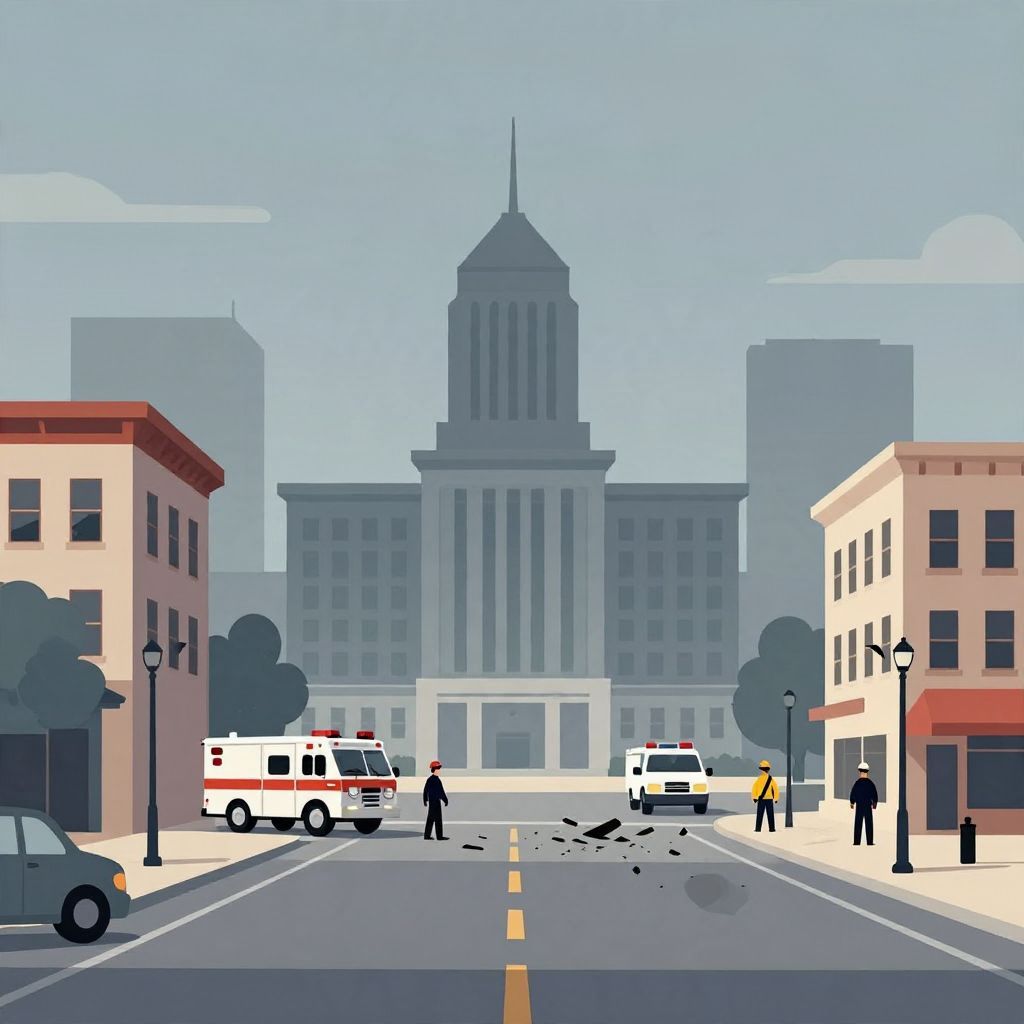
On the morning of April 19, 1995, a Ryder rental truck packed with explosives was parked near the federal building. When it detonated, the blast shattered windows across downtown Oklahoma City, collapsed the front portion of the building, and caused massive destruction in the surrounding area. Rescue efforts began immediately as firefighters, police officers, medical teams, and volunteers rushed to the scene.
The bombing was deliberate and carefully planned. Investigators later determined that the attack was carried out by Timothy McVeigh with assistance from Terry Nichols. The target was a federal office building, and the date was significant: April 19 was the second anniversary of the end of the 51-day standoff at Waco, Texas, and the anniversary of the 1775 battles of Lexington and Concord. McVeigh later treated that date as symbolically important, though that does not excuse or explain the violence.
Why Was the Oklahoma City Bombing Carried Out?
The bombing grew out of extremist anti-government beliefs. McVeigh and Nichols were influenced by a mix of anti-federal anger, conspiracy thinking, and militant rhetoric that circulated in parts of the 1990s far-right movement. Their views were not representative of ordinary political disagreement; they reflected a radicalized worldview that cast the federal government as an enemy to be attacked.
Historians and investigators have emphasized that the attack was not spontaneous. It was the result of planning, acquisition of materials, surveillance, and a decision to use mass violence against civilians and government workers. The Murrah building was chosen because it housed federal agencies, including offices connected to law enforcement and social services.
The role of the Waco siege
The 1993 Waco siege became a major reference point for McVeigh and other extremists. In their worldview, the federal government’s actions at Waco symbolized overreach and repression. The bombing was timed to coincide with the anniversary of the final fire at the Branch Davidian compound, showing how grievance and symbolism were woven into the attack.
A Brief Timeline of the Oklahoma City Bombing
The events surrounding the bombing can be understood through a short chronology:
- April 19, 1995, early morning: The bomb-laden truck is parked near the Murrah Federal Building.
- 9:02 a.m.: The bomb explodes, collapsing much of the building’s north side.
- Immediately after: Emergency responders begin rescue operations amid smoke, debris, and fires.
- April 19–May 1995: Survivors are pulled from the rubble, and investigators gather evidence from the blast site.
- May 1995: Timothy McVeigh is arrested during a traffic stop shortly after the bombing.
- 1997: McVeigh is convicted in federal court.
- 1998: McVeigh is sentenced to death; Terry Nichols receives a life sentence in federal court.
- 2001: McVeigh is executed by lethal injection.
How Many People Died in the Oklahoma City Bombing?
The bombing killed 168 people, including 19 children. Many of the victims were federal employees, visitors, and people working in or near the building. The presence of a daycare center in the Murrah building made the attack especially devastating and deeply personal for the city and the nation.
Hundreds more were injured, and the emotional toll extended far beyond the immediate casualties. Families lost loved ones, survivors faced long recoveries, and first responders dealt with trauma from the scale of the destruction. The attack remains one of the most lethal terrorist incidents in U.S. history.
Why the Murrah Federal Building Was So Vulnerable
The Alfred P. Murrah Federal Building was a multi-story office building in a busy downtown area. Like many federal buildings of the era, it was not designed with modern anti-bomb security measures that later became more common. The truck bomb’s placement near the structure’s front allowed the blast to do catastrophic damage.
The bombing exposed serious weaknesses in public building security. In the years that followed, federal facilities adopted stricter protective measures, including standoff distances, vehicle barriers, stronger structural standards, and improved emergency planning. The attack changed how the United States thought about protecting government buildings from large-scale violence.
The Investigation and Arrests
Law enforcement quickly identified clues from the blast debris, including vehicle parts and bomb components. The investigation moved rapidly, aided by witness accounts and forensic evidence. Timothy McVeigh was arrested on April 21, 1995, during a routine traffic stop in Oklahoma, and he was later linked to the bombing through physical evidence and witness testimony.
Terry Nichols was also charged and convicted for his role in the plot. A third associate, Michael Fortier, cooperated with authorities and testified against McVeigh and Nichols. The legal case became one of the most closely watched terrorism prosecutions in modern American history.
Federal trials and punishment
McVeigh was convicted of murder and conspiracy in 1997 and sentenced to death. Nichols was convicted in federal court and received life imprisonment. These trials helped establish the government’s case, but they also forced the public to confront the scale of domestic extremism and the danger of politically motivated violence from within the country.
Historical Significance of the Oklahoma City Bombing
The Oklahoma City bombing mattered far beyond the city itself. It reshaped national conversations about terrorism, militia movements, and the vulnerability of public institutions. Before the attacks of September 11, 2001, it was the deadliest act of terrorism on American soil and a grim reminder that threats could come from domestic extremists as well as foreign actors.
The bombing also influenced media coverage, law enforcement priorities, and public debates about hate, radicalization, and political violence. It remains a central case study in the history of domestic terrorism because it combined ideological extremism, mass casualties, and a direct assault on a federal symbol.
How the City and Nation Remember the Attack
Memorialization became an important part of the aftermath. Oklahoma City built a national memorial at the site of the bombing, honoring the victims and preserving the memory of the event. The memorial’s design emphasizes reflection, loss, and resilience rather than spectacle, underscoring the human cost of the attack.
Each year, the bombing is remembered as a day of mourning and civic remembrance. For survivors and families, the date April 19 holds lasting meaning. For historians, it marks a moment when domestic terrorism became impossible to ignore as a major national security issue.
Key Facts About the Oklahoma City Bombing
- Date: April 19, 1995
- Time: 9:02 a.m. local time
- Location: Alfred P. Murrah Federal Building, Oklahoma City, Oklahoma
- Deaths: 168
- Injuries: Hundreds
- Main perpetrators: Timothy McVeigh and Terry Nichols
- Type of attack: Domestic terrorist bombing
Conclusion
The Oklahoma City bombing happened on April 19, 1995, and its impact was immediate, tragic, and enduring. It killed 168 people, exposed the danger of domestic extremism, and changed how the United States approached security and terrorism. For readers interested in the broader context of that year, you may also want to explore what happened in 1995 and other historical topics at HistoryOrg.