
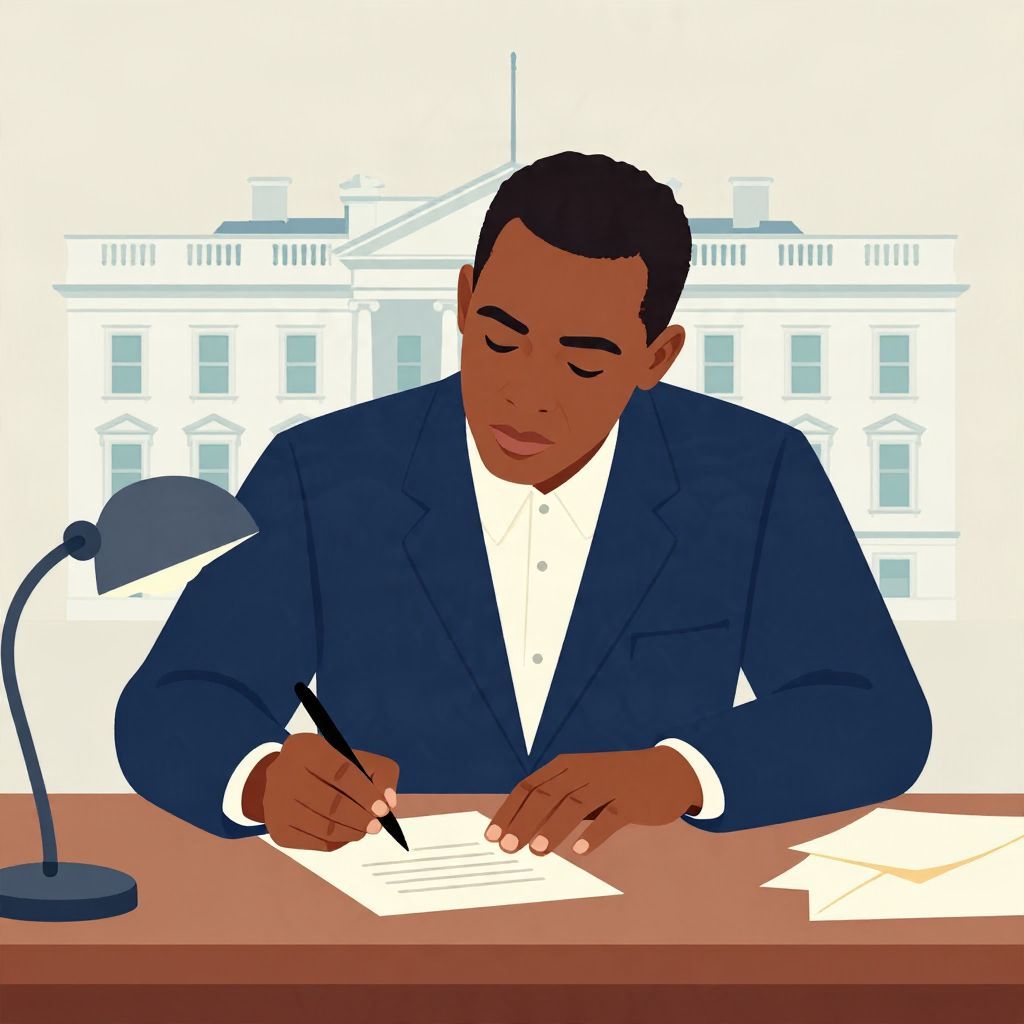
Which best identifies Jackie Robinson’s reason for writing his letter to President Eisenhower? In historical terms, the answer is that Robinson wrote to press the president to act more forcefully on civil rights and school desegregation, especially after the violence and resistance surrounding integration in the 1950s. The letter reflected Robinson’s frustration that federal leadership was moving too slowly.
It also revealed a broader Cold War-era concern: the United States was claiming to lead the free world while segregation and racial intimidation undermined that message at home.
Which Best Identifies Jackie Robinson’s Reason for Writing His Letter to President Eisenhower?
Jackie Robinson wrote to President Dwight D. Eisenhower to urge stronger federal action against racial discrimination and to criticize his reluctance to publicly support school desegregation and civil rights enforcement. Robinson was not simply expressing personal disappointment; he was pressing the president to protect Black Americans more decisively at a moment when segregationists were resisting integration and violence was threatening the rule of law.
The Historical Context Behind the Letter
To understand Robinson’s letter, it helps to place it in the turbulent mid-1950s. The Supreme Court’s Brown v. Board of Education decision in 1954 declared school segregation unconstitutional, but the ruling did not end segregation in practice. In many places, white resistance was immediate, organized, and sometimes violent. Federal power was often hesitant, and that hesitation angered many civil rights advocates.
Jackie Robinson, already famous for breaking Major League Baseball’s color barrier in 1947, had become one of the most visible Black public figures in the country. By the time he wrote to Eisenhower, he was no longer just an athlete. He was a national voice on race, citizenship, and democracy, and he believed the federal government had a duty to defend constitutional rights.
Why Eisenhower Became the Target of Robinson’s Appeal
Eisenhower was president from 1953 to 1961, and he was often cautious on civil rights. He did not present himself as a crusading racial reformer. While his administration did take important actions, including sending federal troops to Little Rock, Arkansas, in 1957, many activists felt he moved too slowly and spoke too softly when segregationists defied the law.
Robinson’s criticism came from that gap between legal victory and practical enforcement. A Supreme Court ruling meant little if local officials ignored it or if federal leaders refused to confront resistance openly. Robinson’s letter was therefore a demand for leadership, not merely a complaint.
What Was Robinson Trying to Accomplish?
Robinson’s main goal was to push the president to use his office more aggressively in support of Black नागरिक rights. He wanted Eisenhower to speak plainly against segregation, defend desegregation in schools, and show stronger moral and political commitment to equality. The letter was an attempt to move the federal government from passive acceptance toward active enforcement.
In practical terms, Robinson was asking: if the Supreme Court had ruled segregation unconstitutional, why was the White House not doing more to make that ruling real? That question lay at the heart of his message.
Key Motives in the Letter
- Frustration with delay: Robinson believed the administration was too slow to support civil rights measures.
- Defense of constitutional rights: He wanted federal authority used to uphold school desegregation and equal protection under the law.
- Response to racial violence and intimidation: Resistance to integration, especially in the South, made stronger intervention seem urgent.
- Pressure for public leadership: Robinson wanted Eisenhower to speak and act more clearly as president of the whole nation.
The Timeline: How the Letter Fits into the Civil Rights Struggle
Robinson’s letter did not appear in a vacuum. It belonged to a chain of events that made civil rights one of the central political questions of the decade.
- 1947: Jackie Robinson integrates Major League Baseball with the Brooklyn Dodgers.
- 1954: The Supreme Court issues Brown v. Board of Education, striking down school segregation.
- 1955: Civil rights activism intensifies, including the Montgomery Bus Boycott after Rosa Parks’s arrest.
- Mid-1950s: White resistance to desegregation grows in several states.
- 1957: Eisenhower sends federal troops to Little Rock to enforce school integration.
Robinson’s letter belongs to the period between the legal breakthrough of Brown and the more forceful federal intervention at Little Rock. That in-between moment was crucial: the law had changed, but the country had not yet fully accepted the change.
Jackie Robinson as a Political Voice
Robinson is often remembered first as a sports pioneer, but his role in public life was broader. He understood that his fame gave him influence, and he used that influence to challenge injustice. He wrote columns, gave speeches, and spoke directly about race relations. His criticism of Eisenhower was part of a larger pattern of civic engagement.
That does not mean Robinson and Eisenhower were personal enemies or that Robinson rejected all federal action. Rather, Robinson was willing to hold powerful leaders accountable when he thought they were failing Black Americans. His letter shows a citizen using moral authority to demand better from the government.
Why Robinson’s Voice Mattered
Robinson’s public status gave his words unusual weight. He was admired by many Americans, including people who might not have listened to lesser-known activists. At the same time, his fame made his criticism more visible and sometimes more controversial. When he spoke on race, he was not only representing himself; he was also speaking for many Black Americans who felt the federal government was moving too cautiously.
How Eisenhower Responded to Civil Rights Pressure
Eisenhower was not indifferent to the crisis, but he preferred gradualism and institutional order. He believed in enforcing the law, yet he was reluctant to use the presidency as a platform for sweeping civil rights rhetoric. That approach frustrated activists who wanted clearer federal support.
His most famous civil rights action came in 1957, when he sent federal troops to Little Rock after Arkansas officials resisted school integration. That intervention showed that the federal government would act when the crisis became unavoidable. But Robinson’s letter helps explain why many Americans believed the administration had waited too long to show that resolve.
Why the Letter Still Matters
The letter is historically significant because it captures the tension between legal progress and political caution. It shows that civil rights change was not automatic after Brown v. Board of Education; it required pressure from activists, public figures, and ordinary citizens. Robinson’s words are part of the broader story of how Americans forced the federal government to confront segregation more directly.
It also reminds us that civil rights history was shaped not only by court decisions and protests, but by correspondence, persuasion, and public accountability. Letters to presidents could become tools of political pressure, especially when written by respected national figures.
Why the Best Answer Is About Civil Rights Pressure
If you are answering the question in a classroom or test setting, the best identification of Robinson’s reason is usually this: he wrote to President Eisenhower to urge stronger action on civil rights and to protest the administration’s weak response to racial injustice. Any answer that focuses only on personal opinion or simple political disagreement is too narrow. The deeper issue was federal responsibility for enforcing equality.
That is why the letter matters beyond one moment in the 1950s. It reflects a major historical pattern: after the law changes, people still have to fight for the law to be enforced. Robinson recognized that reality and used his voice to challenge a president to do more.
Historical Significance of Robinson’s Letter
Robinson’s letter belongs to the larger civil rights movement because it shows how pressure from Black Americans helped shape national policy. It demonstrates that the movement was not driven only by marches and court cases, but also by sustained political criticism aimed at the highest levels of government. Robinson’s willingness to confront Eisenhower helped keep civil rights in the public conversation.
In that sense, the letter is a small document with a large meaning. It reveals the frustration of the era, the limits of federal caution, and the determination of civil rights advocates to demand more than symbolic support. Robinson’s message was clear: constitutional rights should not depend on the goodwill of local segregationists or the hesitation of national leaders.
For readers interested in the wider struggle against segregation, Separate Is Never Equal offers helpful context, and Why Is It Important to Study History? explains why episodes like Robinson’s letter still matter today.