
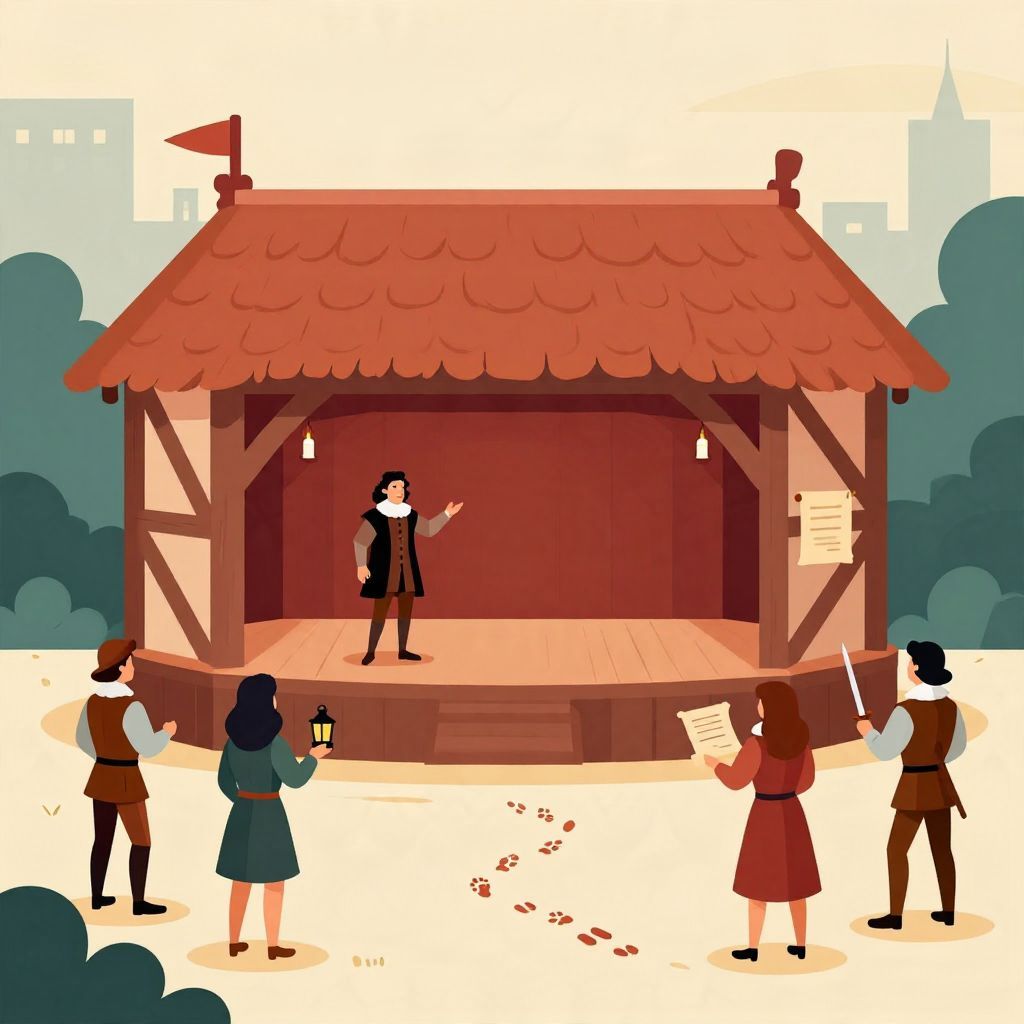
The phrase “the game is afoot” is one of English literature’s most recognizable lines, but it is not a medieval proverb or a political slogan from the distant past. It is a dramatic expression that entered the modern imagination through William Shakespeare and later became especially famous through detective fiction, theater, film, and television.
Its history is a story of language, performance, and cultural reuse: a phrase born in early modern drama, preserved by readers and actors, then transformed into a shorthand for danger, pursuit, and intellectual challenge.
What does “The Game Is Afoot” mean, and where did it come from?
“The game is afoot” means that an important pursuit, struggle, or investigation has begun. The phrase is most commonly traced to William Shakespeare’s Henry V, written around 1599, where it appears in the form “the game’s afoot.” In Shakespeare’s usage, “game” suggests a hunt or contest, and “afoot” means underway.
The Shakespearean origin
The most widely accepted origin of the phrase is Henry V, Act 3, Scene 1. In that scene, King Henry rallies his troops before battle, and the line appears in a context of action and urgency. The wording is not a casual remark; it is a call to begin the chase and press forward into danger.
Why Shakespeare matters here
Shakespeare did not invent every word in the phrase, but he gave it lasting literary force. Early modern English often used “game” to mean a hunt or sport, and “afoot” to mean in motion or underway. Shakespeare’s phrasing condensed those ideas into a memorable line that later readers treated as a proverb.
Because Shakespeare’s plays circulated widely in print and performance, the line survived long after the original context was forgotten by many readers. Over time, the phrase detached from its battlefield setting and became a general expression for the start of an important undertaking.
How the phrase developed over time
The phrase’s historical significance lies less in a single event than in its long afterlife. From the seventeenth century onward, “the game is afoot” appeared in literary and public speech as a vivid way to announce that a plan, pursuit, or conflict had begun.
Early modern English and changing meanings
To modern ears, “game” may sound playful, but in Shakespeare’s era it could also imply hunting, strategy, or contest. “Afoot” meant “under way,” not literally on foot. Together, the words created an image of a chase already in motion. That older sense helps explain why the phrase feels energetic and slightly old-fashioned today.
As English changed, the phrase became less common in ordinary conversation and more associated with literary style. Its survival depended on repeated quotation, especially by writers who wanted a dramatic, antiquated tone.
Why the phrase became famous in detective fiction
The phrase gained new life in the nineteenth and early twentieth centuries, especially through detective stories. Writers of mystery and adventure liked its sense of suspense. It suggested that clues were being gathered, a pursuit had started, and the outcome was not yet known.
Sherlock Holmes and popular memory
Many people associate “the game is afoot” with Sherlock Holmes, even though the phrase is Shakespearean. This association grew because Holmes stories and adaptations often used the line or echoed its tone. The detective’s world of clues, pursuit, and deduction made the phrase feel perfectly at home.
That popular connection matters historically because it shows how a literary phrase can be reinterpreted by later audiences. Shakespeare supplied the words, but detective fiction supplied a new cultural meaning: the hunt for truth.
Timeline of the phrase’s history
The phrase does not have a single “founding moment” in the way a law or treaty does. Instead, its history unfolds through literature and adaptation. A brief timeline helps show how it moved from Elizabethan drama to modern idiom.
- c. 1599 — Shakespeare writes Henry V, where the phrase appears in the form “the game’s afoot.”
- 17th–18th centuries — Readers and theatergoers continue quoting Shakespeare; the phrase remains recognizable in literary English.
- 19th century — The line becomes increasingly associated with adventure and mystery writing.
- Late 19th to early 20th century — Sherlock Holmes adaptations help cement the phrase in detective culture.
- 20th century onward — The phrase enters popular speech, often used humorously or dramatically to signal that a plan is in motion.
Historical significance of “The Game Is Afoot”
The phrase is historically significant for three reasons: it preserves a piece of early modern English, it shows how Shakespeare shaped later language, and it reveals how a literary line can outlive its original setting. Few phrases travel so successfully from stage to everyday speech.
1. It preserves older English usage
“The game is afoot” is a useful reminder that English once used words differently. “Game” did not only mean amusement; it could mean a hunt or contest. “Afoot” did not imply footwear alone; it meant underway. The phrase therefore offers a small window into the vocabulary of Shakespeare’s world.
2. It shows Shakespeare’s cultural reach
Many Shakespearean lines became famous, but this one is especially adaptable. It can describe war, politics, detective work, business competition, or any moment when a larger effort has begun. Its flexibility helped it survive across centuries and genres.
3. It demonstrates how culture reuses the past
The phrase’s modern life is a good example of cultural memory. Later generations did not simply preserve the line; they repurposed it. A line from a royal war play became a favorite phrase for mystery writers, actors, journalists, and anyone wanting to sound alert and dramatic.
Common misunderstandings about the phrase
Because the phrase is so famous, it is often misremembered or misattributed. The most common misunderstanding is that it originated with Sherlock Holmes. In fact, Holmes helped popularize it, but Shakespeare wrote it first.
Not a medieval proverb
Some assume it is an old proverb from the Middle Ages. There is no solid evidence for that. The phrase’s documented literary history begins in the late sixteenth century. Earlier folk usage may have existed in some form, but the strongest historical evidence points to Shakespeare.
Not always about literal hunting
Although the phrase comes from hunting and contest imagery, it is now used figuratively far more often than literally. In modern speech, it usually means “the situation has started” or “the pursuit is on,” whether the topic is politics, sports, business, or crime fiction.
Why the phrase still resonates today
“The game is afoot” remains popular because it captures a universal moment: the instant when waiting ends and action begins. It suggests movement, suspense, and purpose in only four short words. That combination makes it memorable, theatrical, and easy to adapt.
It also carries a slight air of old-fashioned intelligence. People use it to sound playful, dramatic, or literary, which is part of its appeal. The phrase has outlasted many other Shakespearean expressions because it feels both historical and immediate.
Conclusion
“The game is afoot” is best understood as a Shakespearean phrase that began in Henry V and later took on a second life in detective fiction and popular culture. Its history shows how language can move from stage to everyday speech, carrying traces of its original world while gaining new meanings. For readers interested in the broader historical moment behind the phrase’s later cultural echoes, see related context in what happened in 1989 and what happened in 2013.