
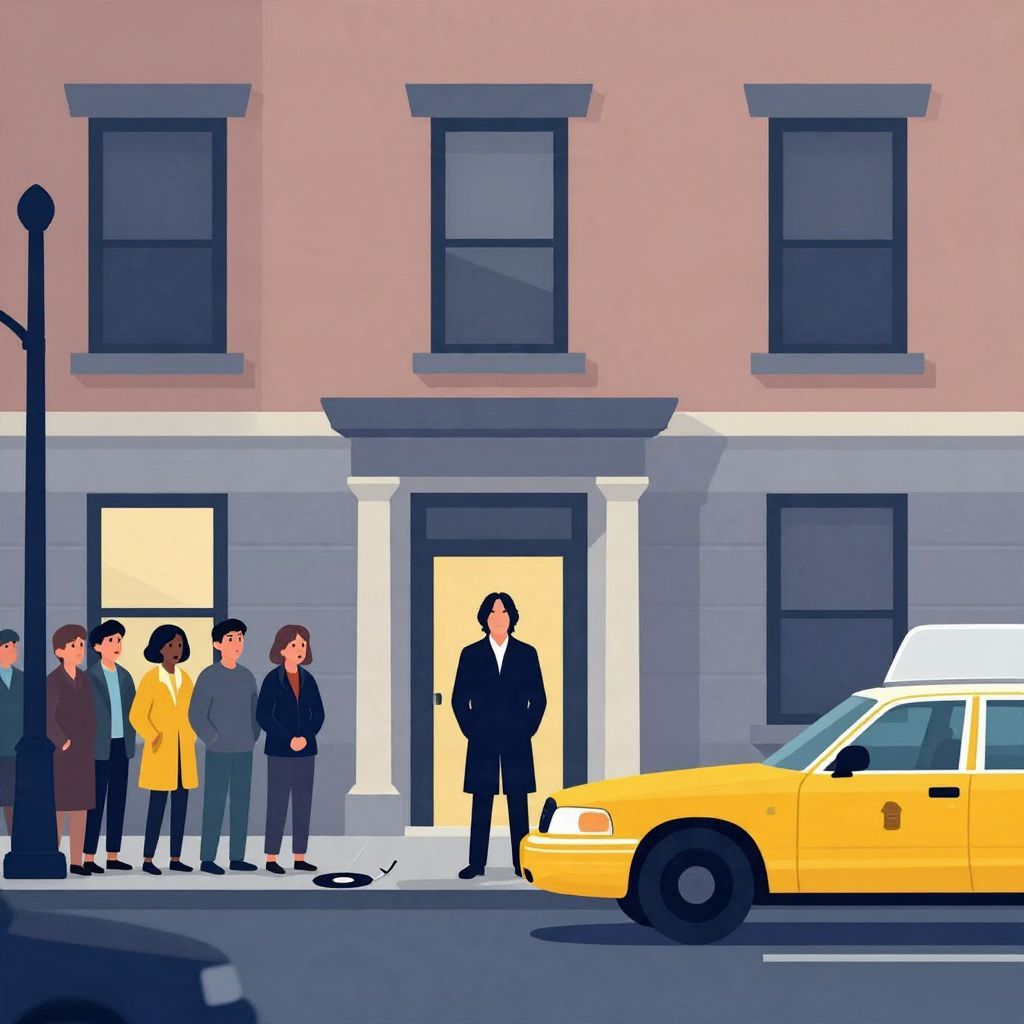
John Lennon was killed on December 8, 1980, in New York City. He was shot outside the Dakota apartment building on Manhattan’s Upper West Side and later died at Roosevelt Hospital. The event shocked the world because Lennon was not only a former Beatle but also one of the most recognizable cultural figures of the 20th century.
His death marked the violent end of a life that had shaped popular music, youth culture, and political expression for more than two decades. To understand what happened, it helps to look at the exact timeline, the circumstances, and the historical aftermath.
When was John Lennon killed?
John Lennon was killed on December 8, 1980. He was shot four times by Mark David Chapman outside the Dakota in New York City in the evening, then rushed to Roosevelt Hospital, where he was pronounced dead later that night. The killing occurred in the United States, not in the United Kingdom, and it became one of the most widely reported deaths in modern entertainment history.
What happened on the night John Lennon died?
The events of December 8 unfolded in a matter of minutes. Lennon and his wife, Yoko Ono, returned to the Dakota after an afternoon at a recording studio. As they entered the building, Chapman approached Lennon and fired several shots from close range. Lennon was struck and collapsed near the entrance before emergency responders took him to the hospital.
Basic timeline of the killing
- Afternoon: Lennon and Ono leave the Dakota and spend time at a recording studio.
- Evening: They return to their apartment building in Manhattan.
- Outside the Dakota: Mark David Chapman shoots Lennon.
- Shortly after: Lennon is transported to Roosevelt Hospital.
- Later that night: Doctors pronounce him dead.
Although the shooting itself was sudden, it was not a random event in the strictest sense. Chapman had been waiting at the building and had earlier obtained Lennon’s autograph. That detail has often been repeated because it underscores the unsettling contrast between fandom and violence.
Who killed John Lennon?
John Lennon was killed by Mark David Chapman, an American man who later pleaded guilty to second-degree murder. Chapman’s motives have been discussed extensively in books, court records, and media coverage, but no single explanation fully accounts for the act. He later said he was influenced by a mixture of obsession, delusion, and resentment.
It is important to distinguish between Chapman’s own statements and broader historical interpretation. His explanations have changed over time, and historians generally treat them cautiously. What is clear is that the killing was deliberate, premeditated, and carried out in public view.
Why did John Lennon’s death matter so much?
Lennon’s death mattered because he was more than a musician. As a member of the Beatles and later as a solo artist, he helped define the sound and politics of the 1960s and 1970s. His songs, interviews, and public activism made him a symbol of both creativity and dissent. When he was killed, millions of people felt that a major chapter in modern cultural history had ended abruptly.
The reaction was immediate and global. Fans gathered in mourning, radio stations played Lennon’s music continuously, and public tributes appeared in cities around the world. The killing also intensified debates about gun violence, celebrity vulnerability, and the risks faced by public figures.
John Lennon’s final years before 1980
By the late 1970s, Lennon had stepped back from the spotlight for a period and focused on family life. He and Yoko Ono lived in New York City, where they had become part of the city’s cultural landscape. In 1980, Lennon returned to recording with renewed energy, working on new material that would later appear on the album Double Fantasy.
This return made the timing of his death especially tragic. He was not simply remembered as a former Beatle from the past; he was actively reengaging with music at the time of his death. That fact has shaped how historians and fans remember 1980 as a year of both artistic comeback and sudden loss.
Important context from Lennon’s later life
- He lived in New York City with Yoko Ono.
- He had largely withdrawn from public life for several years before 1980.
- He returned to recording shortly before his death.
- His final album released during his lifetime was Double Fantasy.
What was the immediate aftermath?
The immediate aftermath of Lennon’s killing was intense media coverage and public mourning. News of his death spread quickly across the United States and then internationally. Many people who had grown up with the Beatles experienced the event as a personal loss, even if they had never met him. The scale of the response reflected Lennon’s unusual place in popular culture.
In practical terms, the killing led to heightened concern about security for celebrities and public figures. It also became part of a larger historical conversation about violence in American life. Lennon’s death did not create that debate, but it gave it a powerful and enduring symbol.
How historians view the killing today
Historically, Lennon’s death is understood as a turning point in the story of postwar popular culture. It ended the life of a figure who had helped transform music into a vehicle for social commentary, personal expression, and political identity. It also showed how fame could bring exposure, admiration, and danger at the same time.
Scholars and biographers generally treat the event as both a private tragedy and a public historical moment. The private side involved the loss suffered by Lennon’s family and close friends. The public side involved the worldwide audience that had followed his career from Liverpool to the Beatles to his solo work in New York.
Historical facts about John Lennon’s death
- Date: December 8, 1980
- Place: Outside the Dakota building, New York City
- Cause of death: Gunshot wounds
- Assailant: Mark David Chapman
- Age at death: 40
- Historical significance: Major cultural and musical figure killed at the height of global recognition
Legacy after December 8, 1980
Lennon’s death ensured that his life would be remembered not only through his music but also through the circumstances of his final moments. Memorials, tributes, and annual remembrances have continued for decades. In New York City, the area around Strawberry Fields in Central Park became especially associated with public mourning and remembrance.
His legacy also influenced later discussions about celebrity safety, the responsibilities of the media, and the public’s relationship with iconic figures. For many listeners, Lennon remains a symbol of artistic experimentation, political idealism, and the fragility of fame.
So, when was John Lennon killed? The direct answer is December 8, 1980. The broader historical answer is that his death ended one of the most influential careers in modern music and left a lasting mark on cultural history. If you want to explore the event further, see when John Lennon was shot and what happened to John Lennon.