
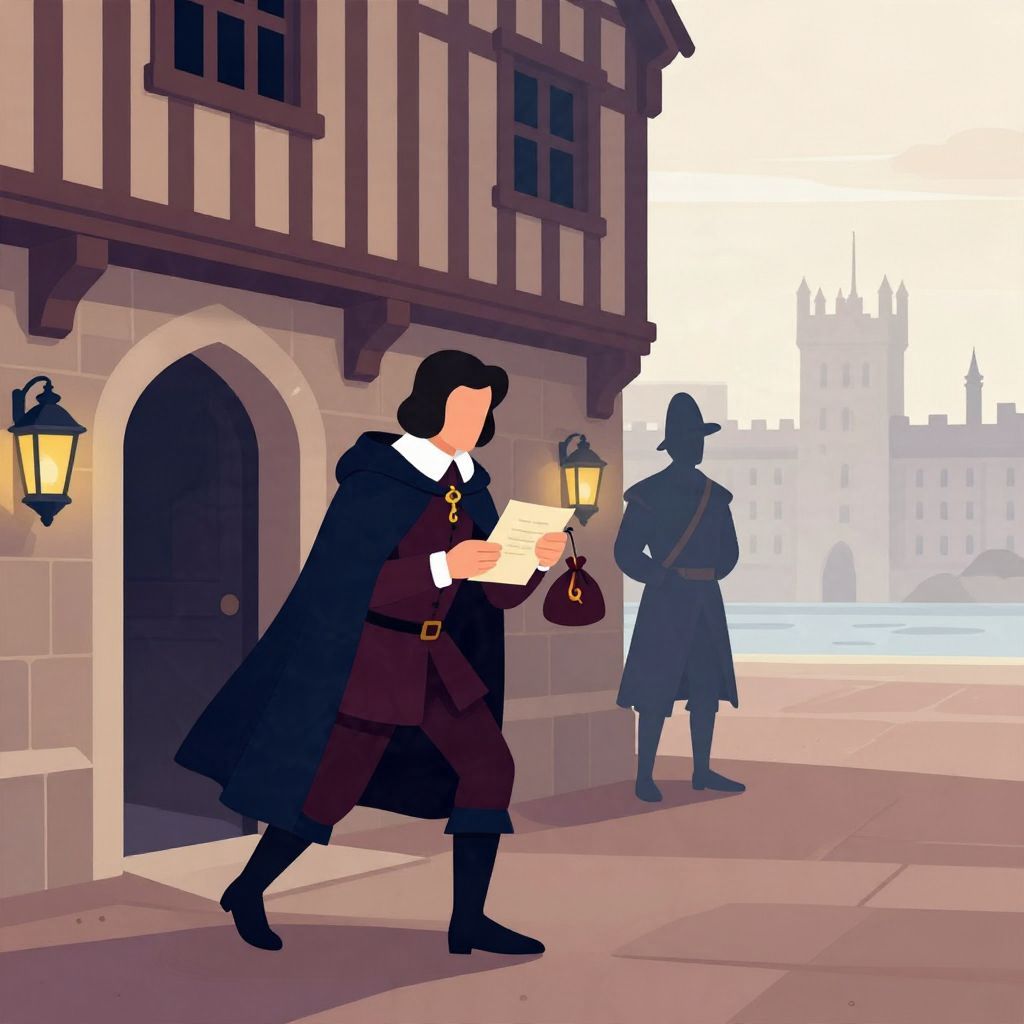
When readers ask, “Which excerpt best states the central idea of the second paragraph of The Dark Game?” they are usually looking for a concise summary of that paragraph’s main point. The answer depends on the specific edition or passage being studied, but the second paragraph generally introduces the idea that espionage has long shaped history through secrecy, deception, and the hidden struggle between nations.
In other words, the best excerpt is the one that captures how spying is not just about secret agents, but about the quiet, often unseen power struggles that influence wars, diplomacy, and national security.
Which Excerpt Best States the Central Idea of the Second Paragraph of The Dark Game?
The best excerpt is the one that states that espionage is a hidden but important force in history, used by governments to gather information, protect interests, and gain advantage over rivals. If the paragraph describes secrecy, intelligence gathering, or the invisible side of conflict, that is the central idea you should look for.
What The Dark Game Is About
The Dark Game is commonly associated with writing about the history of espionage. In historical terms, espionage means the collection of secret information, usually by governments, military leaders, or intelligence services. The phrase “dark game” reflects the hidden, risky, and morally complicated nature of spying.
Because the text is often used in reading comprehension settings, the question is less about a famous historical event and more about identifying the author’s main point. The second paragraph usually builds on the introduction by explaining why espionage matters and how it has affected political and military history.
How to identify the central idea
To find the best excerpt, look for the sentence that does the broadest job of summarizing the paragraph. A strong central idea will usually:
- mention espionage, spying, or intelligence work,
- explain that it has historical importance,
- show that it influences governments, wars, or power struggles, and
- avoid focusing only on one small detail or example.
If an answer choice only names one spy, one battle, or one trick, it is probably too narrow. The best excerpt should capture the larger meaning of the paragraph.
The Historical Origins of Espionage
Espionage is almost as old as organized states themselves. As soon as rulers controlled territory, they needed ways to learn what enemies, rebels, and rivals were planning. Ancient empires such as Egypt, Assyria, Persia, China, and Rome all used messengers, informants, scouts, and undercover agents in some form.
This long history helps explain why a text like The Dark Game would describe spying as a central part of human conflict. Secret information could change the outcome of a campaign, prevent an ambush, expose a rebellion, or help a ruler negotiate from a position of strength.
Espionage in the ancient world
In the ancient world, intelligence gathering often blended with diplomacy and military scouting. Armies sent out lookouts and messengers, while rulers relied on local allies and informants to report on enemy movements. These early systems were not modern intelligence agencies, but they served a similar purpose: reducing uncertainty in dangerous political situations.
Religious, commercial, and diplomatic networks also helped circulate information. Merchants and travelers sometimes carried news across borders, intentionally or not. That made information a form of power long before modern communication systems existed.
Why the Second Paragraph Matters
In many informational texts, the second paragraph expands the topic by explaining its significance. If the first paragraph introduces espionage as a subject, the second paragraph often answers the question, “Why should we care?” The answer is usually that spying has shaped major historical events in ways that are not always visible at first glance.
That is why the central idea is usually not a single incident. Instead, it is the broader claim that espionage has played a crucial role in history because nations depend on secret knowledge to protect themselves and defeat opponents.
Common themes the paragraph may emphasize
- secrecy and deception as tools of power,
- the danger and risk faced by spies,
- the role of intelligence in war and politics,
- the hidden nature of historical change, and
- the idea that events on the surface often depend on unseen work behind the scenes.
Espionage Through the Ages
Although the methods changed over time, the purpose of espionage remained fairly constant: to gain an advantage by learning what others wanted to keep hidden. This continuity is one reason historians treat espionage as an important subject rather than a side note.
Early modern Europe
By the early modern period, European states increasingly used professional spies, coded messages, and diplomatic intelligence. The growth of centralized monarchies and competing empires made information more valuable than ever. Wars of religion, dynastic rivalries, and colonial competition all encouraged governments to build more organized intelligence networks.
The nineteenth and twentieth centuries
Industrialization and global conflict transformed espionage again. Railroads, telegraphs, and later radio allowed faster communication, but they also created new vulnerabilities. By the time of the First and Second World Wars, intelligence work had become more systematic and more closely tied to national security.
In the twentieth century, espionage became even more important during the Cold War, when the United States, the Soviet Union, and their allies relied heavily on intelligence services, surveillance, codebreaking, and counterespionage. The “dark game” was no longer just a dramatic phrase; it described a real and ongoing feature of international politics.
How to Choose the Best Answer in a Reading Question
If you are answering a multiple-choice question about the second paragraph of The Dark Game, the correct excerpt will usually be the one that restates the paragraph in a general way. A good answer should not be too vague, but it also should not be too specific.
What to look for in the correct excerpt
- It should summarize the paragraph’s main point, not a supporting detail.
- It should use broad language about espionage, secrecy, or historical importance.
- It should match the tone and purpose of the paragraph.
- It should avoid introducing a new idea that the paragraph does not discuss.
For example, if the paragraph explains that spying has influenced governments and wars throughout history, the best excerpt will say something like that in a general form. An answer focused only on one spy, one country, or one war would likely be incomplete.
Historical Significance of Espionage
Espionage matters because it reveals that history is not shaped only by open battles and public speeches. Many important decisions are made in secret, and many outcomes depend on information that most people never see. That hidden dimension is what makes the subject historically significant.
Spies and intelligence networks have affected military campaigns, diplomatic negotiations, revolutions, colonial expansion, and modern state security. They have also raised difficult ethical questions. Governments often justify spying as necessary for safety, while critics point to the dangers of surveillance, betrayal, and abuse of power.
Why historians study it
Historians study espionage because it helps explain how leaders made decisions under uncertainty. Secret reports, intercepted messages, and undercover operations can reveal motives and fears that do not appear in public records. Even when the details remain incomplete, espionage shows how power often depends on knowledge.
Conclusion: The Main Idea in Plain Terms
The central idea of the second paragraph of The Dark Game is usually that espionage is a hidden but powerful force in history, shaping events through secrecy, intelligence gathering, and political advantage. If you are choosing between answer options, pick the excerpt that best expresses that broad idea rather than a minor detail.
Understanding this theme also helps with related topics in world history, including the spread of ideas and power across societies; you may also find it useful to explore how Islam spread and how Martin Luther King changed the world for examples of how large historical forces shape events in different ways.